
2.8K
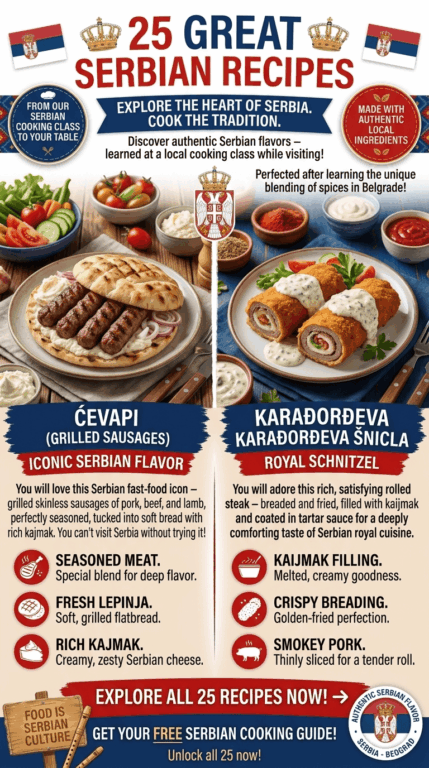

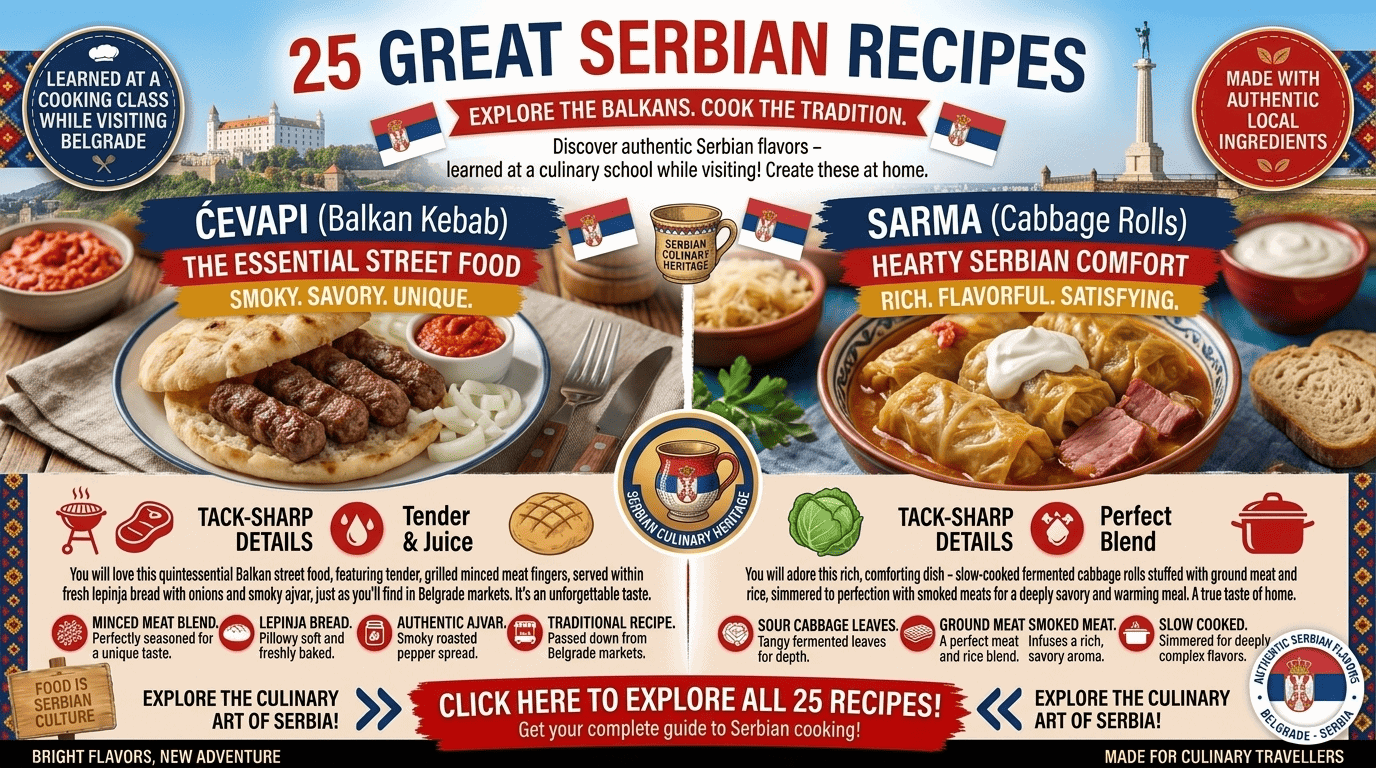
This collection of 25 Great Serbian Recipes To Cook Today features many of Serbia’s best-known foods, including Cevapcici, Pljeskavica, Sarma, Gibanica, Burek, Ajvar, Paprikash, and Muckalica. Serbian cuisine is known for its hearty meat dishes, savory pastries, comforting soups, fresh salads, and traditional baked desserts that have been enjoyed throughout the Balkans for generations. The roundup also includes homemade breads, vegetable dishes, pies, cookies, and stews that showcase the variety of Serbian home cooking.
Many Serbian recipes rely on ingredients such as pork, beef, lamb, peppers, cabbage, potatoes, tomatoes, cheese, beans, and phyllo dough. These ingredients are used to prepare grilled meats, slow-cooked stews, stuffed vegetables, savory pastries, and baked desserts that are commonly served for family meals, holidays, and celebrations. The collection highlights both everyday comfort foods and festive recipes that remain an important part of Serbian culinary traditions.
Whether you are interested in preparing a traditional Serbian dinner or trying classic Balkan recipes at home, this roundup offers a wide variety of authentic dishes to explore. From flavorful casseroles and grilled specialties to homemade flatbreads, cheese pies, soups, and sweet pastries, these Serbian recipes provide an excellent introduction to the ingredients, cooking methods, and enduring food traditions that continue to define Serbian cuisine today.
25 Great Serbian Recipes To Cook Today
1
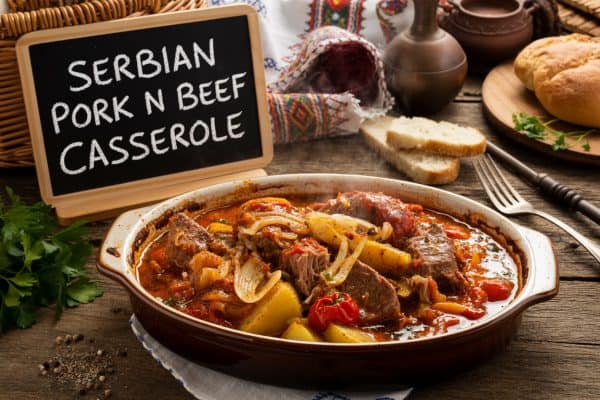
Best Serbian Pork n Beef Casserole
Serbian Pork n Beef Casserole is a hearty baked dish that combines ground pork and beef with onions, peppers, paprika, and other seasonings before being slowly cooked until the flavors fully develop. Many family recipes layer the meat with potatoes or vegetables, while others prepare it as a rustic one-pot casserole. The combination of pork and beef is common in Serbian home cooking and produces a rich, satisfying meal. The casserole is typically served with crusty bread or a fresh salad. Its simple ingredients and slow cooking have made it a favorite comfort food in Serbian households.
Check out this recipe
2
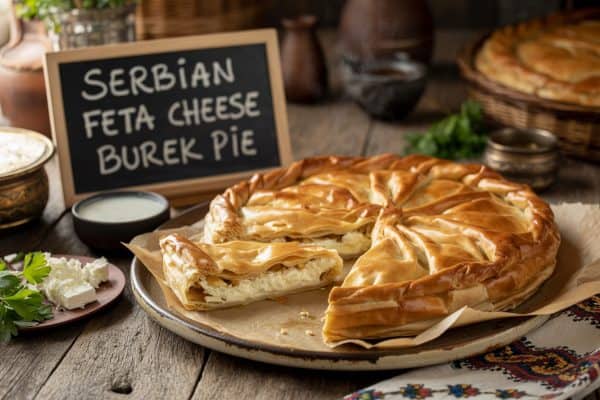
Serbian Feta Cheese Burek Pie
Cheese Burek is one of Serbia's most popular pastries, made by layering thin sheets of phyllo dough around a rich cheese filling before baking until crisp and golden. While traditional Serbian Burek is often filled with meat, cheese versions commonly use feta or a similar white brined cheese to create a creamy center. Burek is enjoyed for breakfast, lunch, or as a snack and is widely sold in Serbian bakeries throughout the day. Its flaky pastry and savory filling have made Cheese Burek one of Serbia's most recognizable baked specialties.
Check out this recipe
3
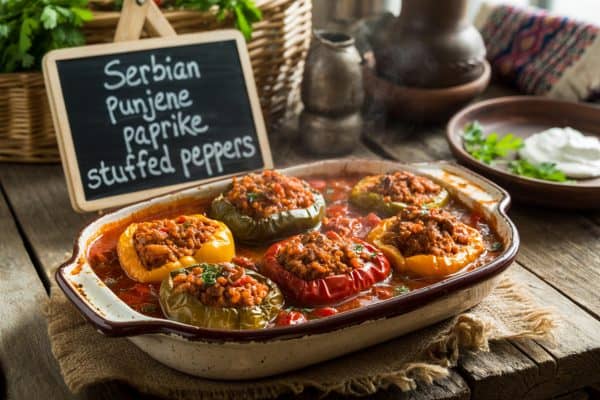
Serbian Punjene Paprike Stuffed Peppers
Punjene Paprike are traditional Serbian stuffed peppers filled with a mixture of ground meat, rice, onions, and seasonings before being gently cooked in a tomato-based sauce. Bell peppers become tender during cooking while the filling absorbs the rich flavors of the sauce. The dish is commonly served with mashed potatoes, bread, or on its own as a complete meal. Found throughout Serbia, Punjene Paprike is a favorite family recipe that is especially popular during the cooler months. Its combination of tender peppers and savory filling has made it one of Serbia's classic comfort foods.
Check out this recipe
4
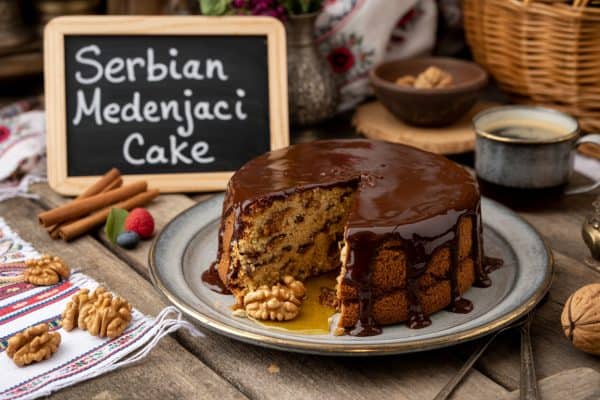
Serbian Medenjaci Cake
Medenjaci are traditional Serbian honey spice cookies rather than a cake, despite some modern recipe titles. They are prepared with honey and warm spices such as cinnamon and cloves, producing soft, fragrant cookies that are often decorated with icing. Medenjaci are especially popular during Christmas, Slava celebrations, and other festive occasions throughout Serbia. Their honey-rich flavor allows them to remain soft for several days after baking. The combination of aromatic spices and honey has made Medenjaci one of Serbia's best-loved traditional holiday sweets.
Check out this recipe
5
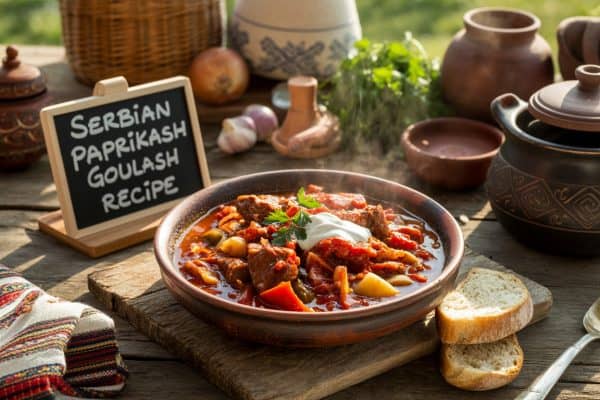
Serbian Paprikash Goulash
Serbian Paprikash is a slow-cooked stew prepared with meat, onions, sweet paprika, peppers, and tomatoes simmered until the meat becomes tender. Pork and chicken are the most common choices, although regional variations also use beef. Sweet paprika gives the stew its characteristic color and rich flavor, while the vegetables gradually melt into the sauce during cooking. Paprikash is commonly served over mashed potatoes, noodles, rice, or with fresh bread. Its warming flavor and slow-cooked texture have made Serbian Paprikash one of the country's most popular traditional stews.
Check out this recipe
6
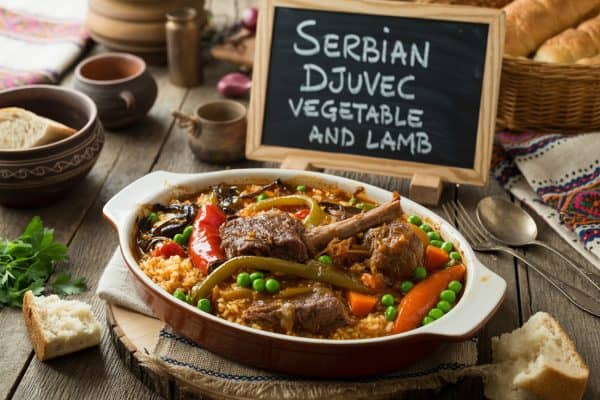
Serbian Djuvec Vegetable and Lamb
Djuvec is a traditional Balkan rice casserole prepared with rice, tomatoes, onions, peppers, and other vegetables slowly cooked together until tender. Serbian versions often include lamb, which adds richness while the vegetables create a flavorful base for the rice. Sweet paprika is commonly used to give the dish its characteristic color and aroma. Djuvec may be served as a complete one-pot meal or as a side dish alongside grilled meats. Its combination of vegetables, rice, and slow-cooked lamb has made it a long-standing favorite in Serbian home cooking.
Check out this recipe
7
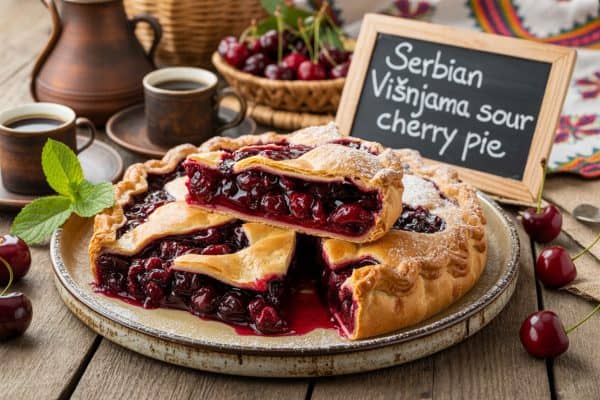
Serbian Višnjama Sour Cherry Pie
Višnjama, more commonly known as Pita sa Višnjama, is a traditional Serbian sour cherry pie made by layering thin sheets of phyllo dough around a filling of tart sour cherries. As the pastry bakes, the phyllo becomes crisp and flaky while the cherries soften into a sweet-tart filling. The pie is commonly dusted with powdered sugar and served warm or at room temperature with coffee or tea. Sour cherries are widely grown in Serbia, making this pastry a favorite during cherry season as well as throughout the year.
Check out this recipe
8
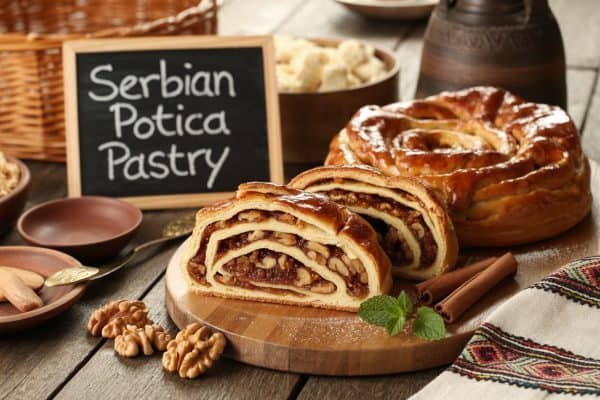
Serbian Potica Pastry
Potica is a rolled nut pastry that is especially popular in northern Serbia, particularly in the Vojvodina region, as well as neighboring Central European countries. A soft yeast dough is spread with a rich filling, most commonly ground walnuts, before being rolled into a spiral and baked until golden. Other traditional fillings include poppy seeds, hazelnuts, or sweet cheese. Potica is closely associated with Christmas, Easter, weddings, and other festive occasions. Its beautiful spiral slices and rich filling have made Potica one of the region's most treasured celebration pastries.
Check out this recipe
9
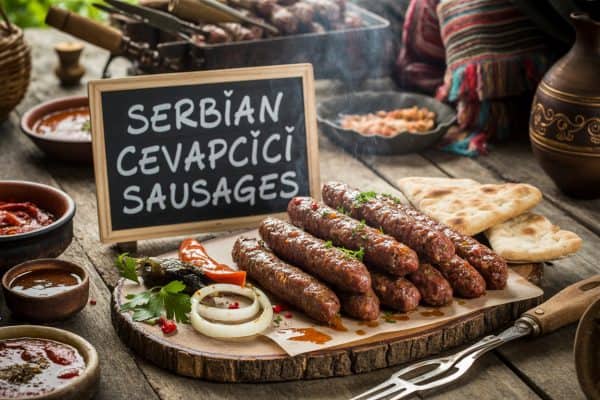
Serbian Cevapcici Sausages
Ćevapčići, also known as Ćevapi, are one of Serbia's national dishes and consist of small hand-shaped grilled minced meat sausages. They are traditionally prepared from beef, pork, lamb, or a combination of meats seasoned with salt and spices before being grilled over charcoal. Ćevapčići are commonly served in warm lepinja flatbread or on a plate with chopped onions, kajmak, and ajvar. They are a staple of Serbian grill restaurants and family gatherings. Their smoky flavor and tender texture have made them one of the country's most iconic meat dishes.
Check out this recipe
10
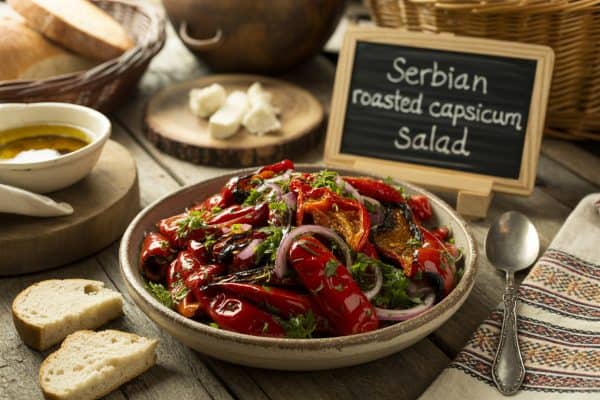
Serbian Roasted Capsicum Salad
Roasted Capsicum Salad is commonly prepared with roasted red bell peppers that are peeled, sliced, and dressed with garlic, oil, vinegar, and parsley. In Serbia, this style of salad is a popular accompaniment to grilled meats, roasted dishes, and fresh bread. It shares many flavors with the famous Serbian roasted pepper relish known as Ajvar, although the peppers remain in sliced form rather than being blended into a spread. The sweet, smoky peppers and light dressing create a fresh side dish that appears on tables throughout the grilling season.
Check out this recipe
11
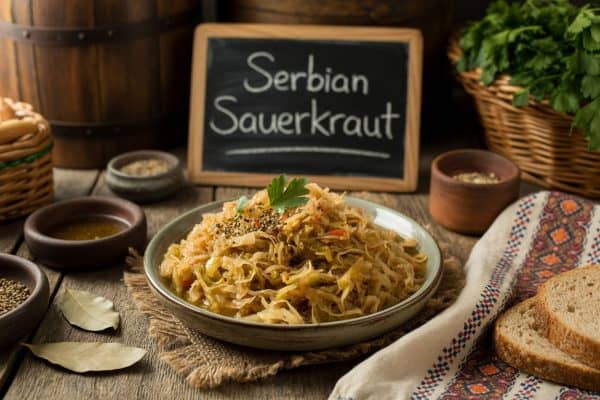
Serbian Sauerkraut
Serbian Sauerkraut, known as Kiseli Kupus, is made by naturally fermenting whole cabbage heads or shredded cabbage in salted water until they develop their distinctive tangy flavor. It is one of the most important ingredients in Serbian cooking, especially during the colder months. Kiseli Kupus is commonly served as a side dish or used as the wrapping for Sarma stuffed cabbage rolls. The fermentation process preserves the cabbage while creating its characteristic crisp texture and sour taste. Its long shelf life and versatility have made Serbian Sauerkraut a staple in homes throughout the country.
Check out this recipe
12
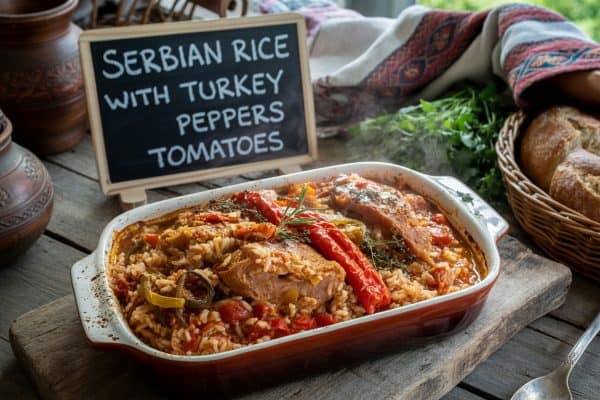
Serbian Rice with Turkey, Peppers, and Tomatoes
Serbian Rice with Turkey, Peppers, and Tomatoes is a hearty one-pan meal that combines tender turkey with rice, sweet peppers, tomatoes, onions, and paprika. The rice cooks in the seasoned broth, absorbing the flavors released by the vegetables and meat as everything simmers together. This style of dish is common in Serbian home cooking, where simple ingredients are prepared into filling family meals. It is often served with fresh bread or a light salad. The combination of lean turkey, vegetables, and seasoned rice makes it a comforting everyday dish enjoyed throughout Serbia.
Check out this recipe
13
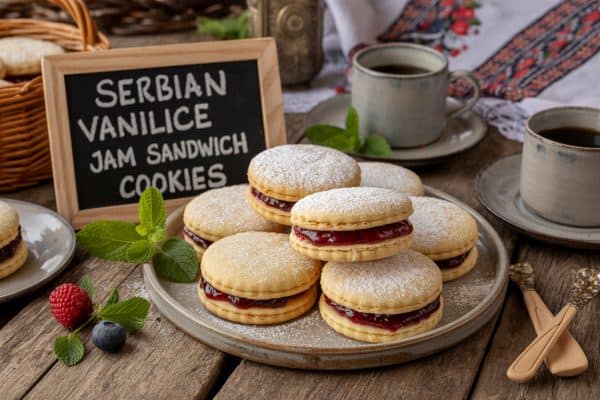
Serbian Vanilice Jam Sandwich Cookies
Vanilice are traditional Serbian sandwich cookies made from delicate buttery biscuits filled with fruit jam, most commonly apricot, raspberry, or plum. After baking, two cookies are joined with jam and generously dusted with powdered sugar. Their soft, crumbly texture develops even further after resting for a day or two, making them a favorite make-ahead dessert. Vanilice are especially popular during Christmas, Slava celebrations, weddings, and family gatherings. Their simple ingredients and rich buttery flavor have made them one of Serbia's best-loved traditional cookies.
Check out this recipe
14
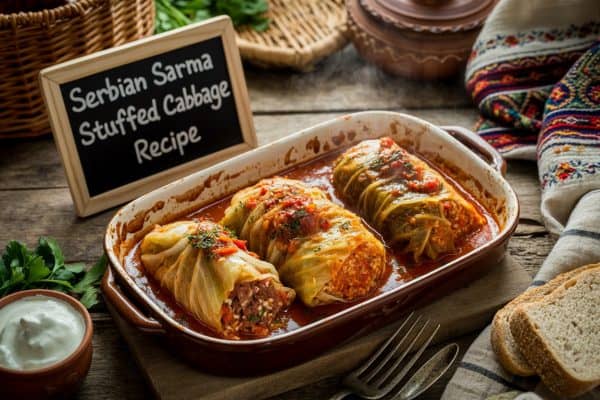
Serbian Sarma Stuffed Cabbage
Sarma is one of Serbia's most iconic traditional dishes, consisting of fermented cabbage leaves wrapped around a filling of ground meat, rice, onions, and seasonings before being slowly simmered. The sour cabbage softens during cooking while adding its characteristic tangy flavor to the rich filling. Sarma is especially popular during winter, Christmas, New Year, and Slava celebrations, although it is enjoyed throughout the year. It is commonly served with mashed potatoes, bread, or on its own. Its slow-cooked flavor and hearty ingredients have made Sarma a centerpiece of Serbian family meals.
Check out this recipe
15
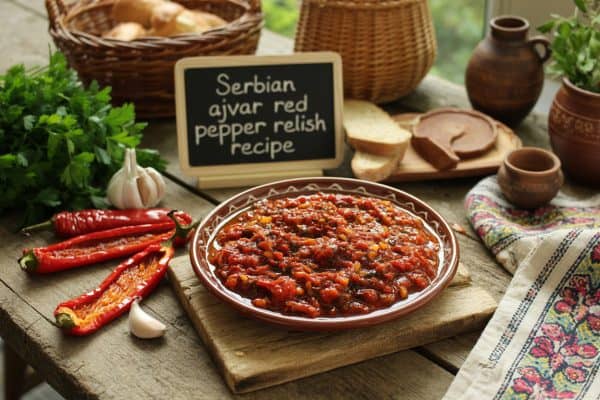
Serbian Ajvar Red Pepper Relish
Ajvar is Serbia's famous roasted red pepper relish made by roasting sweet red peppers before peeling, grinding, and slowly cooking them with oil until thick and smooth. Some recipes also include roasted eggplant, garlic, or hot peppers, creating mild or spicy variations. Ajvar is served as a spread, condiment, or side dish with grilled meats, sausages, bread, and cheeses. It is traditionally prepared in large batches during late summer and autumn when peppers are at their peak. Its rich roasted flavor and smooth texture have made Ajvar one of Serbia's most recognized culinary specialties.
Check out this recipe
16
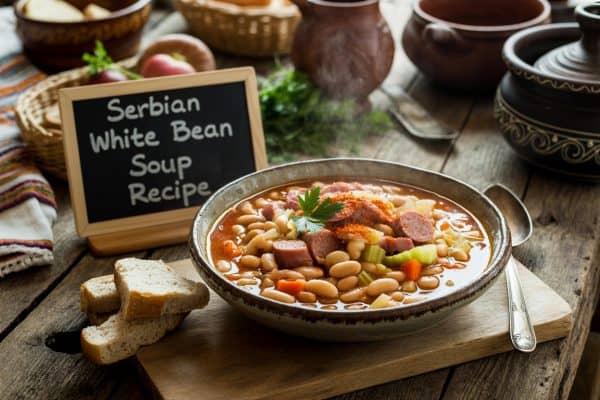
Serbian White Bean Soup
Serbian White Bean Soup, known as Pasulj, is a traditional bean soup made with white beans, onions, carrots, paprika, garlic, and often smoked meat or sausage. The beans are simmered slowly until tender, allowing the broth to thicken and develop a rich flavor. Pasulj is commonly served with bread and is especially popular during colder months. Some versions are made meatless, while others include smoked pork for a deeper taste. Its simple ingredients, filling texture, and long history have made White Bean Soup one of Serbia’s most familiar comfort foods.
Check out this recipe
17
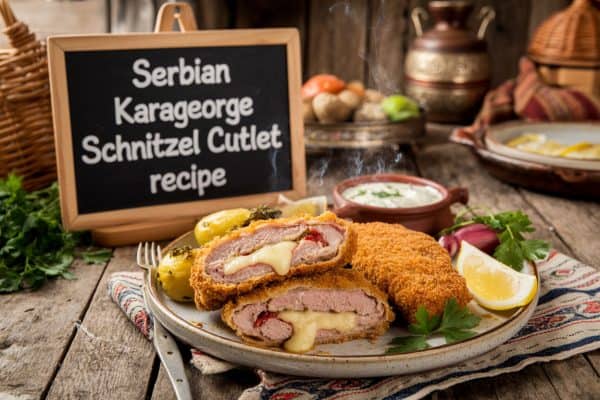
Serbian Karageorge Schnitzel Cutlet
Karageorge Schnitzel, known as Karađorđeva Šnicla, is a Serbian rolled cutlet usually made from pork or veal. The meat is pounded thin, filled with kajmak or cream, rolled, breaded, and fried until golden. It is commonly served with tartar sauce, fries, or vegetables. The dish was created in Serbia in the 1950s and named after Karađorđe, the leader of the First Serbian Uprising. Its crisp coating, creamy filling, and rolled shape have made Karageorge Schnitzel one of Serbia’s best-known restaurant dishes.
Check out this recipe
18
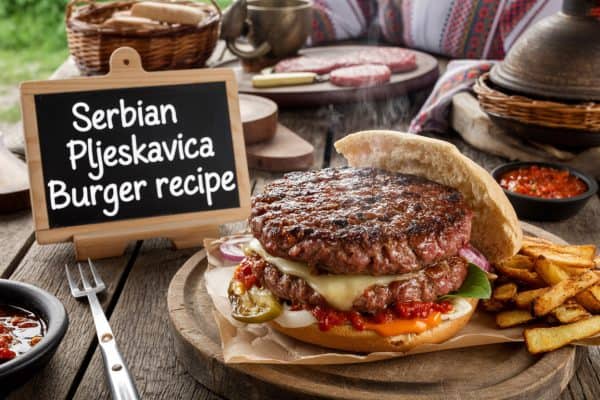
Serbian Pljeskavica Burger
Pljeskavica is a Serbian grilled meat patty made from ground beef, pork, lamb, or a mixture of meats. The patty is seasoned, shaped wide and flat, then grilled until browned. It is commonly served in lepinja flatbread with onions, kajmak, ajvar, or other toppings. Pljeskavica is often compared to a burger, but its seasoning, size, and traditional serving style make it distinct. It is widely sold at grill stands, restaurants, and festivals throughout Serbia. Its smoky flavor and generous portion size have made it one of Serbia’s most popular grilled foods.
Check out this recipe
19
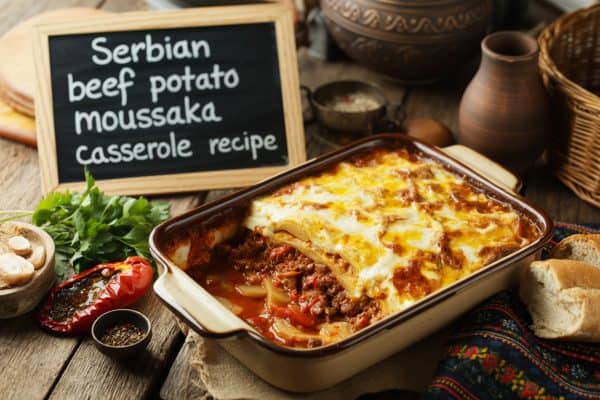
Serbian Beef Potato Moussaka Casserole
Serbian Beef Potato Moussaka is a baked casserole made by layering sliced potatoes with seasoned ground beef before baking until tender. Unlike Greek moussaka, Serbian versions commonly use potatoes instead of eggplant. The meat is usually cooked with onions, paprika, and seasonings, then layered with potatoes and often finished with an egg and milk topping. The casserole is baked until the potatoes soften and the top becomes lightly browned. Serbian Moussaka is commonly served with yogurt or salad and remains a practical family meal because it uses everyday ingredients.
Check out this recipe
20
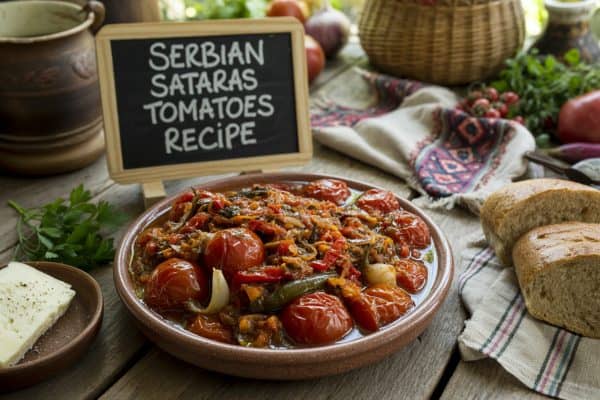
Serbian Sataras Tomatoes
Sataras is a Serbian vegetable dish made with tomatoes, peppers, onions, and seasonings cooked together until soft and saucy. It is similar to other Balkan pepper and tomato stews and is commonly served as a side dish or light meal. Some versions include eggs, while others remain vegetable-only. Sataras is especially popular in summer when tomatoes and peppers are fresh and abundant. It pairs well with bread, grilled meats, potatoes, or rice. Its simple preparation and use of seasonal vegetables have made Sataras a common dish in Serbian home cooking.
Check out this recipe
21
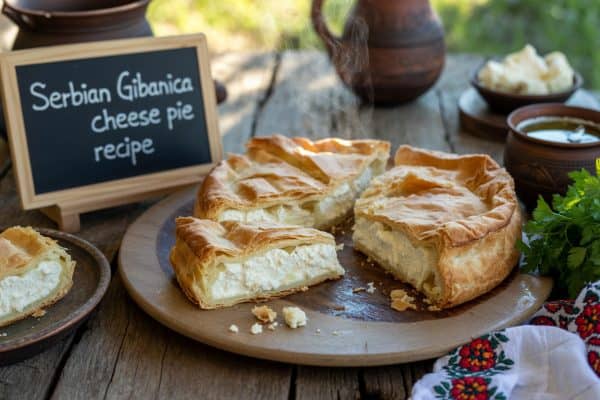
Serbian Gibanica Cheese Pie
Gibanica is one of Serbia's most famous savory pastries, made by layering thin sheets of phyllo dough with a filling of white cheese, eggs, and dairy before baking until golden. The filling commonly uses sirene, feta, or another soft white cheese, creating a rich, creamy texture between the crisp pastry layers. Gibanica is served for breakfast, lunch, dinner, and festive occasions, making it one of the country's most versatile baked dishes. It is often enjoyed with yogurt on the side. Its flaky layers and rich cheese filling have made Gibanica a staple of Serbian cuisine.
Check out this recipe
22
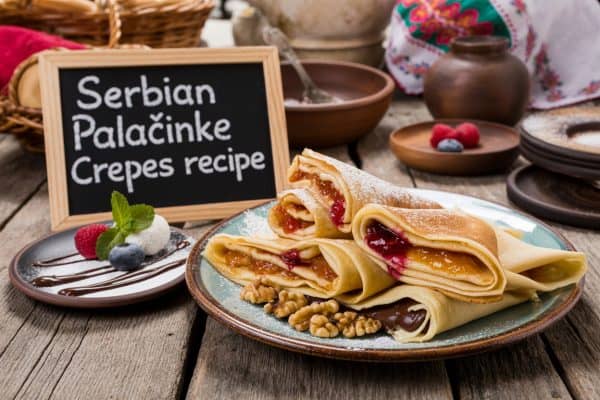
Serbian Palačinke Crepes
Palačinke are thin Serbian crepes prepared from a simple batter and cooked until lightly golden on both sides. They can be filled with sweet ingredients such as jam, chocolate spread, walnuts, or sweet cheese, or with savory fillings including ham, mushrooms, and cheese. Palačinke are served as breakfast, dessert, or a light meal and are popular throughout Serbia in homes, cafés, and restaurants. Their delicate texture and wide variety of fillings have made them one of the country's most frequently enjoyed traditional dishes.
Check out this recipe
23
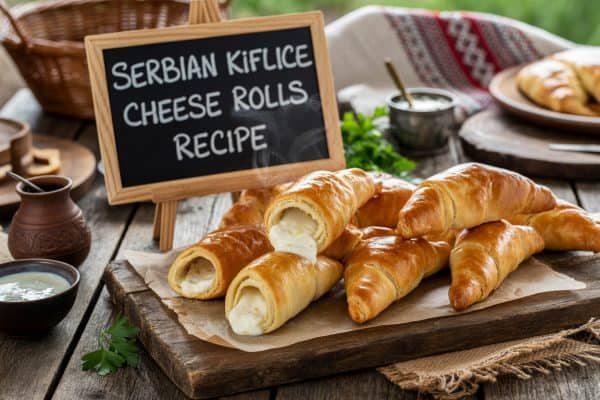
Serbian Kiflice Cheese Rolls
Kiflice are small crescent-shaped yeast rolls that are a favorite in Serbian bakeries and home kitchens. The dough is rolled around a filling, with soft white cheese being one of the most popular savory choices, before baking until lightly golden. Sweet versions filled with jam or chocolate are also common, but cheese Kiflice remain a traditional favorite. They are served for breakfast, snacks, celebrations, and family gatherings. Their soft texture, buttery dough, and creamy filling have made Kiflice one of Serbia's classic homemade pastries.
Check out this recipe
24
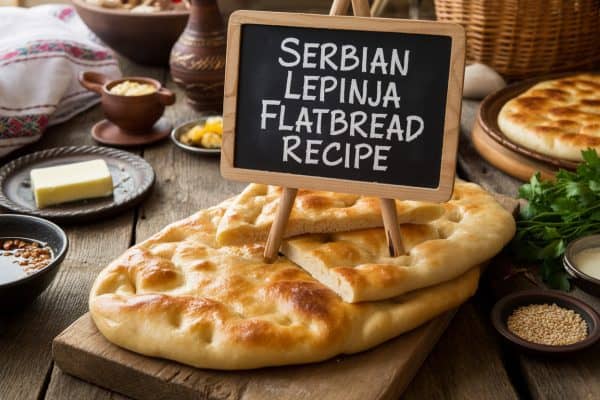
Serbian Lepinja Flatbread
Lepinja is a traditional Serbian flatbread baked with a soft interior and a lightly crisp crust. The bread is commonly served warm alongside grilled meats such as ćevapčići and pljeskavica or used to make complete sandwiches filled with meat, onions, kajmak, and ajvar. Its airy crumb allows it to absorb juices from grilled dishes without falling apart. Lepinja is baked daily in bakeries throughout Serbia and is an essential part of many traditional meals. Its simple ingredients and versatility have made it one of the country's best-known breads.
Check out this recipe
25
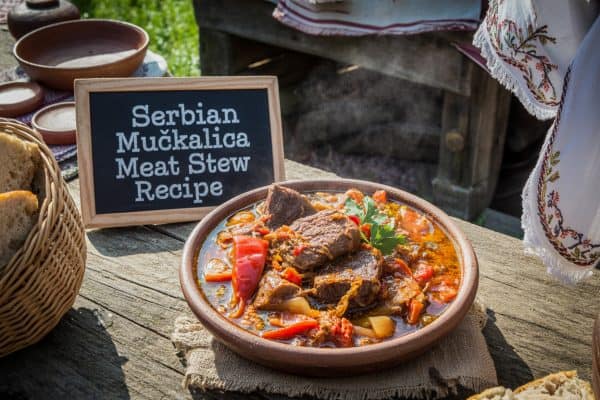
Serbian Mućkalica Meat Stew
Mućkalica is a traditional Serbian meat stew made by simmering grilled pork and other meats with roasted peppers, tomatoes, onions, garlic, and paprika in a rich sauce. The dish was originally developed as a way to use leftover grilled meat from barbecue restaurants, giving it a distinctive smoky flavor. Leskovačka Mućkalica, from the city of Leskovac, is the best-known regional version and is considered a Serbian specialty. Mućkalica is commonly served with fresh bread or roasted potatoes. Its combination of grilled meat and slow-cooked vegetables has made it one of Serbia's most flavorful traditional stews.
Check out this recipe
Laurel Rodgers is a recipe collector and co-founder of World Travel Recipes. Since 2014, she and John Rodgers have traveled to 165 of the 195 countries, gathering over 5,000 recipes directly from local cooks, markets, and small restaurants. Laurel participates in cooking classes, works with host families, and documents recipes as they are prepared. She manages recipe organization and ensures each recipe is written so it can be followed in a real home kitchen.
Recipes are gathered in person and written for real-world cooking conditions.
Recipes are gathered in person and written for real-world cooking conditions.
Latest posts by BdRecipes (see all)
- 10 Hungarian Dessert Recipes Passed Down Through Generations - July 25, 2026
- 11 Easy English Recipes Anyone Can Make - July 25, 2026
- Hungarian Kifli Recipe - July 25, 2026
3 comments
I cant decide which Serbian recipe to try first! Maybe start with the Pork n Beef Casserole, then move on to the Feta Cheese Burek Pie. Or should I just dive into the Punjene Paprike Stuffed Peppers? Decisions, decisions!
I cant believe they included Feta Cheese Burek Pie as a traditional Serbian recipe! That seems more Greek to me. What do you think? Should it really be on the list?
I cant believe they didnt include the recipe for Ajvar in the list! Its a classic Serbian dish thats a must-try. Also, wheres the recipe for Sarma? Thats a staple at any Serbian gathering!
Comments are closed.