
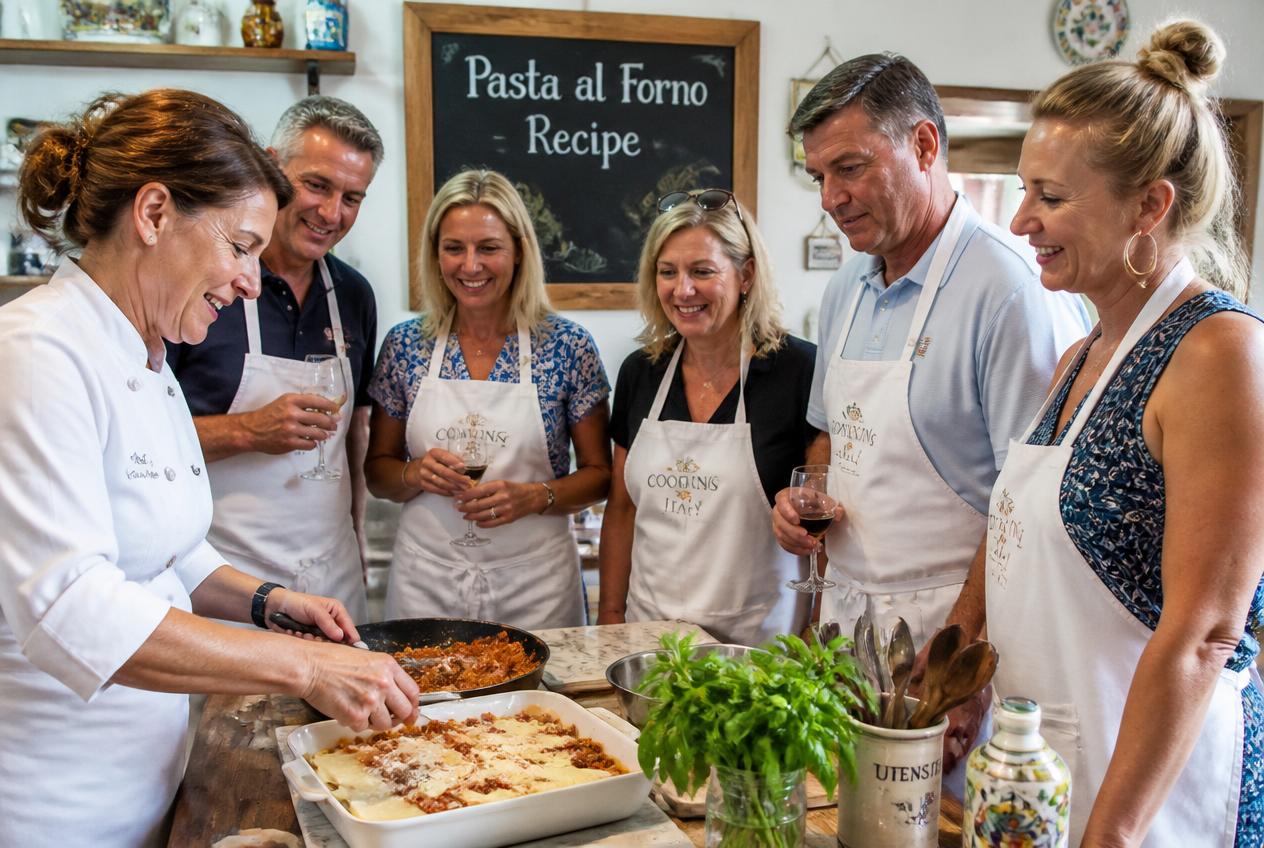
You’ll love how a Pasta al Forno recipe turns simple pantry staples into a satisfying, oven-baked Italian meal that feeds a crowd and warms a kitchen. This classic baked pasta combines tender pasta, savory meat or tomato sauce, and melted cheese into a single, comforting dish you can assemble ahead and bake when guests arrive. The Pasta al Forno recipe delivers a hearty meal that brings people together around the table.
I’ll walk you through a straightforward Pasta al Forno recipe, share practical chef tips for perfect texture and browning, and suggest easy variations to suit weeknight dinners or special occasions. Expect clear make-ahead options and related dishes that help you customize this timeless Italian comfort food. The Pasta al Forno recipe adapts well to your favorite flavors and ingredients, making it a staple in any home cook’s repertoire.
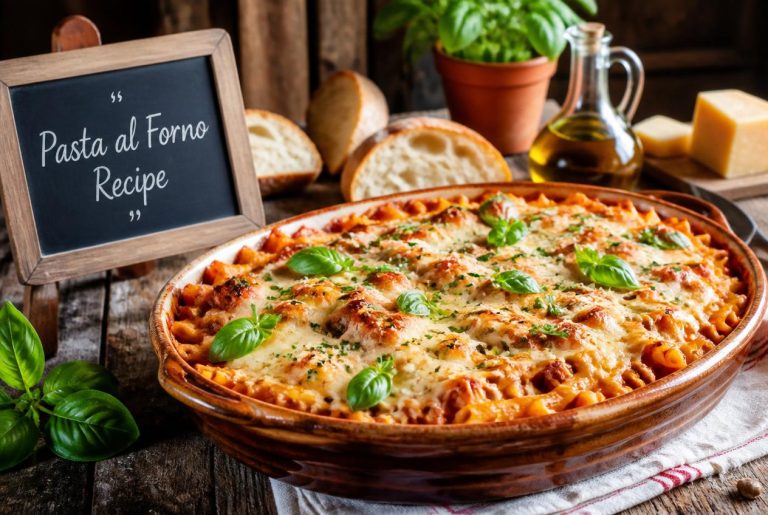
Pasta al Forno Recipe
Key Takeaways
- You can make a full Pasta al Forno recipe ahead and finish it in the oven for fresh results.
- Small technique tweaks control texture and browning for a restaurant-quality bake.
- Simple variations let you adapt the classic Pasta al Forno recipe to meatless, cheesy, or regional styles.
Description and Historical Information
The Pasta al Forno recipe creates a family-style baked pasta casserole that combines boiled pasta with sauces, cheese, and often béchamel before finishing in the oven. The texture balances tender pasta with a browned, bubbly top and pockets of creamy sauce. The Pasta al Forno recipe has roots in Italian culinary traditions, bridging rustic home cooking with elaborate courtly dishes.
Northern and central Italian versions of the Pasta al Forno recipe evolved from meat pies and layered preparations into the béchamel-rich dishes of Emilia-Romagna and Tuscany. Southern and Sicilian Pasta al Forno recipes feature tomato-forward ragùs and local cheeses, while northern versions use béchamel and grated hard cheeses. These patterns reflect the diversity of traditional Italian casseroles and authentic Italian baked recipes.
The Pasta al Forno recipe relies on technique as much as ingredients. You cook the pasta first, assemble with sauces and fillings, and then bake to meld flavors and develop a golden crust. That double-cooking step distinguishes the Pasta al Forno recipe from stovetop pasta dishes. For further reading on the dish’s definition and variations, consult this overview of Pasta al forno.
Chef’s Tips
Use a mix of pasta shapes—rigatoni or penne hold sauce and bake well. Short tubes trap meat and béchamel for even bites, making the Pasta al Forno recipe especially satisfying. Salt the pasta water generously to season the noodles through, and undercook by 1–2 minutes because the oven will finish the pasta.
Choose a combination of cheeses for depth: mozzarella for melt, pecorino or parmesan for sharpness. Grate fresh cheese instead of using pre-shredded for better melt and flavor in your Pasta al Forno recipe. Layer thoughtfully by starting with a thin sauce base, then pasta, more sauce, cheese, and repeat to ensure every forkful has balance. A final sprinkle of breadcrumbs adds crunch and helps brown the top.
Bake covered at first to retain moisture, then uncover for 10–15 minutes to brown. Aim for bubbling edges and a golden crust. If making the Pasta al Forno recipe ahead, assemble and refrigerate, then bake longer from cold or warm briefly before baking. Let the dish rest 10 minutes after baking for cleaner serving and slices that hold shape when plated.
Make-Ahead Instructions
Prepare the Pasta al Forno recipe in advance to simplify weeknight dinners and feed a crowd with minimal stress. Assemble the casserole up to the point before baking, cover tightly, and refrigerate for up to 48 hours. For longer storage, freeze the assembled Pasta al Forno recipe for up to 3 months. Wrap the baking dish with plastic wrap and foil, or transfer portions to freezer-safe containers for easy reheating later.
When ready to bake from the refrigerator, remove the cover and let the dish sit at room temperature for 20–30 minutes to take the chill off. Bake at the recipe temperature, adding 5–10 minutes if needed, until the cheese bubbles and the center reaches 165°F. To bake from frozen, leave the foil on and bake from frozen at the same temperature for 45–60 minutes, then remove the foil and bake another 10–15 minutes for a golden top. Check doneness by inserting a knife into the center and ensuring it’s hot.
Make extra sauce and store it separately; it freezes well and speeds reheating. For family-friendly meal planning, the Pasta al Forno recipe joins other make-ahead Italian casseroles like lasagna and baked ziti—these dishes reheat reliably and feed a group with little fuss. Label containers with date and contents, pre-slice portions if feeding kids, and keep a small pan of water in the oven while reheating to prevent the pasta from drying out.
Variations
Change the cheese mix in your Pasta al Forno recipe to shift texture and flavor. A blend of mozzarella, Pecorino Romano, and fontina gives a stretchy, savory result; mixing ricotta into the layers adds creaminess without weighing it down. For a richer, meaty Pasta al Forno recipe, use Italian sausage—sweet or spicy—browned and folded into the tomato-meat sauce. This Italian sausage and pasta casserole works well with rigatoni or penne and benefits from a light béchamel stirred in for silkiness.
Try a dedicated cheesy Pasta al Forno recipe when you want maximum comfort. Use five-cheese blends or a mix of provolone and parmesan, then top with extra cheese and broil briefly for a golden crust. Breadcrumbs tossed with olive oil and herbs add a crunchy finish. Vegetable-forward Pasta al Forno recipe variations suit lighter meals—layer roasted eggplant, zucchini, or spinach with the sauce and cheese to keep the structure but reduce the meatiness.
For a shortcut, use jarred marinara and pre-grated cheese, then bake until bubbling. When you want a copycat-style Pasta al Forno recipe, follow a five-cheese ziti approach—jarred sauce, ricotta, shredded blends, and a crisp breadcrumb topping for restaurant-style ease. The Pasta al Forno recipe’s flexibility makes it perfect for weeknight dinners or special occasions.
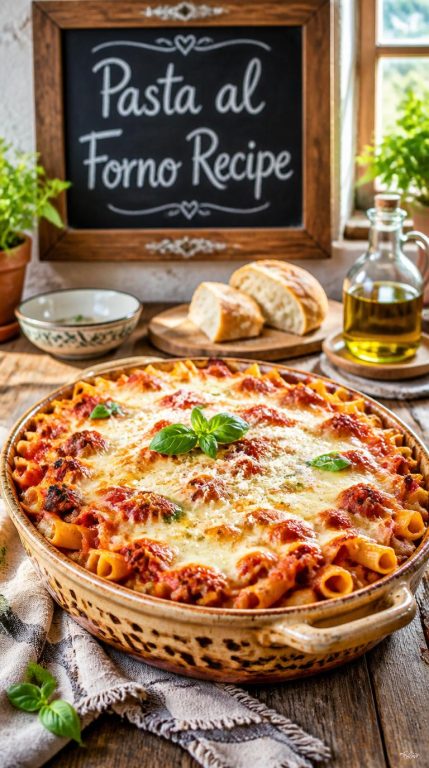
Related Recipes
Turn to other Italian baked pasta recipes when you want to vary textures and sauces while keeping the same comforting format. Classic options include lasagna, baked ziti, and cannelloni, each layering pasta, sauce, and cheese in slightly different ways. Baked ziti uses tubular pasta and a mix of ricotta and mozzarella for a simple, crowd-pleasing dish. Lasagna lets you build distinct layers of béchamel or ricotta, ragù, and pasta sheets for a more structured bake.
Cannelloni or manicotti offer a stuffed format—great for filling with spinach and ricotta or a seasoned meat mixture. Try a béchamel-topped version for a silkier finish, or a ragù-forward bake for deeper, slowly cooked flavors. For lighter meals, swap meat for roasted vegetables and add a sprinkle of pecorino for sharpness.
Quick reference:
- Baked ziti — tubular pasta, ricotta, marinara, mozzarella.
- Lasagna — pasta sheets, ragù or vegetables, béchamel or ricotta.
- Cannelloni/Manicotti — stuffed tubes, tomato sauce, melted cheese.
For more Pasta al Forno recipe ideas and variations on Italian baked pasta, consult established guides such as a classic Pasta al Forno overview and baking methods found in online recipe collections. You can find additional inspiration at Giallo Zafferano’s Pasta al Forno recipe.
Similar Recipes
Explore other Italian casserole recipes when you want variety but the same comforting, oven-baked format. Baked ziti and rigatoni al forno follow the same idea: short pasta, a rich meat or tomato ragù, and a generous layer of melted cheese. Lasagna casserole recipes use the same core components—meat sauce, béchamel or ricotta, and plenty of Parmesan. Simplify lasagna into a layered pan-bake to speed up assembly while keeping the classic flavors.
Classic Italian oven-baked dinners like parmigiana (eggplant or chicken) share technique with the Pasta al Forno recipe: assemble, top with cheese, and bake until golden. These dishes make excellent weeknight mains and work well for feeding a crowd. Try regional variations such as Sicilian anelletti al forno or casseroles that add béchamel for extra creaminess. Combining elements from different recipes helps tailor texture and richness to your taste.
Pair any Pasta al Forno recipe or casserole with a light salad and crusty bread. Small changes—different cheeses, a touch of béchamel, or swapping pasta shapes—let you adapt these Italian oven-baked dinners to whatever you have on hand. Find classic baked pasta ideas from Recipes from Italy and a collection of varied baked pasta dishes at The Pasta Project for more Pasta al Forno recipe inspiration.
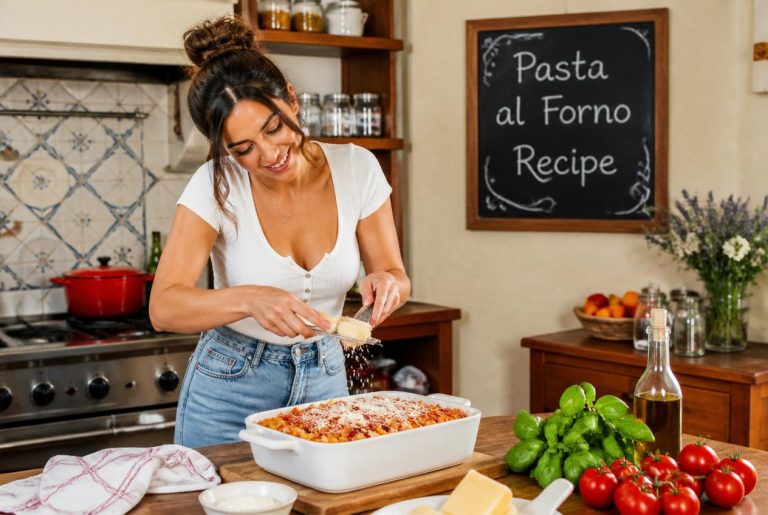
Pasta al Forno Recipe Cooking Tips
Pasta al Forno Recipe Cooking Tips
• Pasta al Forno is a traditional Italian baked pasta dish known for its rich layers of pasta, sauce, cheese, and savory fillings baked until golden and bubbling.
• Choose sturdy pasta shapes such as penne, rigatoni, ziti, or similar varieties that hold sauce well during baking.
• Cook the pasta just until al dente since it will continue cooking in the oven.
• A flavorful tomato sauce serves as the foundation and helps keep the pasta moist.
• Ground beef, Italian sausage, meatballs, or a combination of meats can add heartiness and depth.
• Sauté onions and garlic before adding them to the sauce for richer flavor development.
• Mozzarella cheese creates a creamy, melted texture throughout the casserole.
• Parmesan cheese contributes savory richness and enhances the overall flavor profile.
• Ricotta cheese may be incorporated for additional creaminess and structure.
• Basil, oregano, parsley, and black pepper provide classic Italian seasoning.
• Mix the pasta thoroughly with sauce before assembling to ensure even distribution.
• Layer ingredients evenly to create balanced flavor and texture throughout the dish.
• Some traditional versions include hard-boiled eggs, peas, or cured meats for additional richness.
• Avoid using excessive sauce, which can make the casserole overly soft or watery.
• A topping of cheese or breadcrumbs can create an appealing golden crust.
• Bake until the casserole is bubbling and the top is lightly browned.
• Allow the dish to rest briefly before serving so the layers can settle.
• The flavor should balance tender pasta, rich sauce, savory cheese, herbs, and any meat or vegetable additions.
Pasta al Forno Recipe Storage Tips
Pasta al Forno Recipe Storage Tips
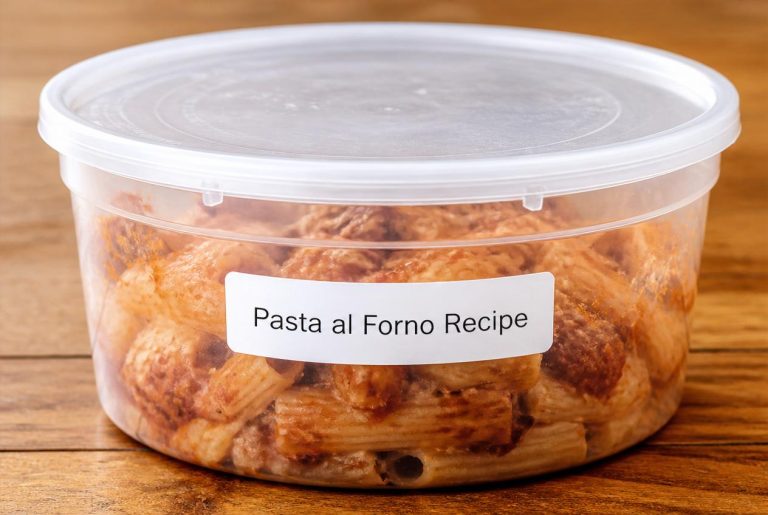
• Allow the baked pasta to cool before transferring it into storage containers.
• Store refrigerated in airtight containers to help preserve freshness and texture.
• Whole baking dishes can be covered tightly and refrigerated before portioning.
• Refrigeration often improves flavor as the sauce, cheese, and seasonings continue to meld together.
• Reheat gently in the oven for the best texture and overall quality.
• Cover with foil while reheating to prevent the top from becoming overly browned.
• Add a small amount of sauce, broth, or water if the pasta appears dry during reheating.
• Pasta and cheese flavors often become more developed after overnight refrigeration.
• Freeze individual portions or entire casseroles in airtight freezer-safe containers if desired.
• Wrap tightly to help protect against freezer burn and preserve quality.
• Defrost frozen portions gradually in the refrigerator before reheating.
• Use clean utensils when serving leftovers to help maintain freshness.
• Keep away from strongly scented foods because pasta and cheese can absorb surrounding odors.
• Label frozen containers with the storage date for easier tracking.
• Avoid repeated freezing and reheating cycles, which can negatively affect texture and consistency.
• Check for signs of spoilage such as sour odors, mold, unusual discoloration, or texture changes before consuming leftovers.
• For best quality, enjoy refrigerated and frozen portions while flavor and texture remain at their peak.
Pasta al Forno Recipe
Ingredients
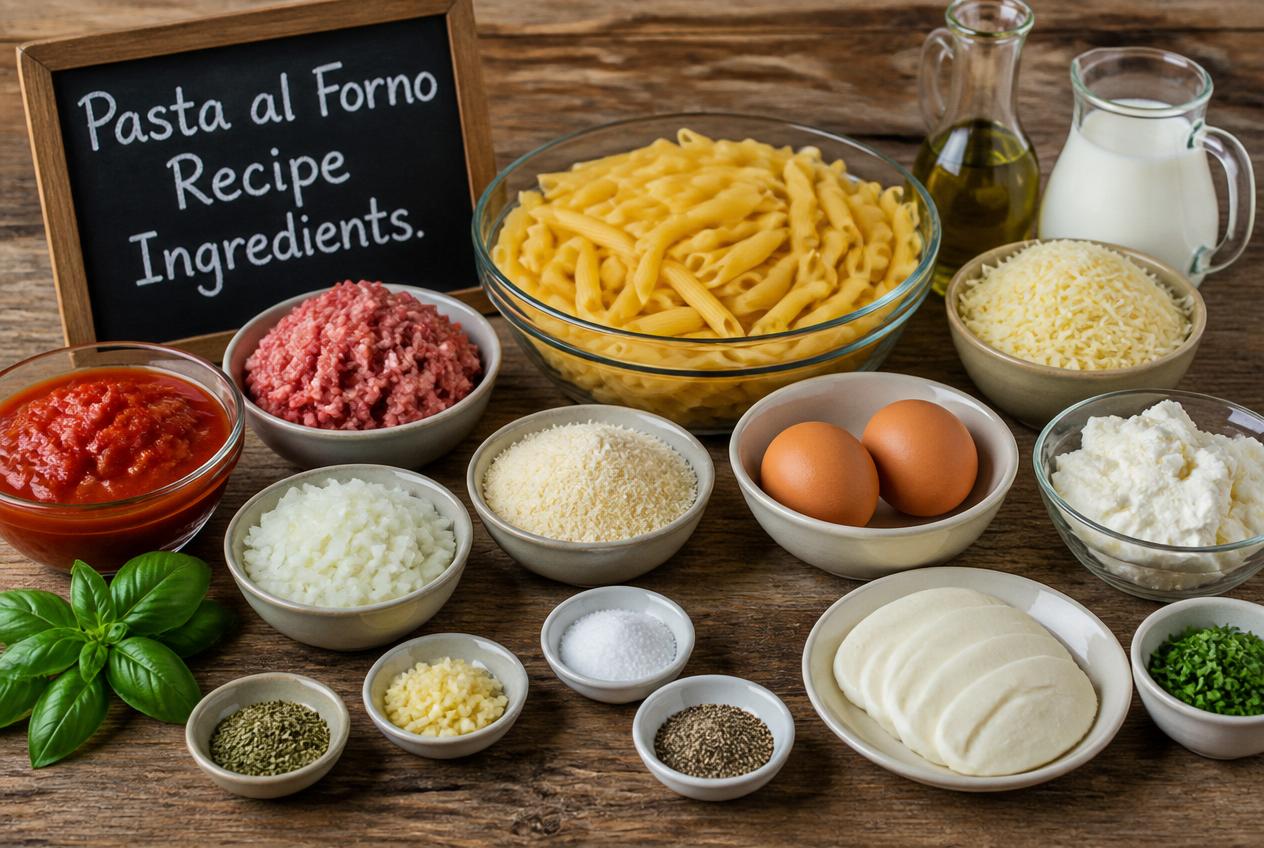
- 10 oz ground beef
- 5 oz ground pork
- ⅔ cup carrot
- ⅔ cup celery
- ⅔ cup onion
- 1¼ cups tomato passata
- 1 tablespoon tomato paste
- ⅓ cup dry white wine
- 1¼ cups whole milk
- 3 tablespoons olive oil extra virgin
- Salt to taste
- Black pepper to taste
- 2 cups whole milk
- ¼ cup unsalted butter
- ⅓ cup all-purpose flour
- ¼ teaspoon fine salt
- Freshly grated nutmeg to taste
- 12 oz rigatoni
- 9 oz mozzarella cheese
- 1 cup grated Parmigiano Reggiano cheese
Instructions
- Finely chop the carrot, celery, and onion. Heat the olive oil in a large saucepan and cook the vegetables gently until softened. Add the ground beef and ground pork and cook until browned. Pour in the white wine and allow it to evaporate. Stir in the tomato passata and tomato paste, then season with salt and pepper. Simmer gently for about 2 hours, adding the milk gradually during cooking. Continue simmering until the sauce becomes rich and flavorful.
- Melt the butter in a saucepan over low heat. Add the flour and whisk continuously until a smooth roux forms. Gradually pour in the milk while whisking to prevent lumps from developing. Add the salt and a pinch of freshly grated nutmeg. Continue cooking and stirring until the sauce thickens and coats the back of a spoon. Remove from the heat and set aside.
- Bring a large pot of salted water to a boil. Cook the rigatoni for two to three minutes less than the package directions indicate. The pasta should remain very al dente because it will continue cooking in the oven. Drain well and transfer to a large mixing bowl.
- Cut the mozzarella into small cubes. Add the Bolognese sauce and béchamel sauce to the cooked pasta, reserving a small amount of each sauce for the top layer. Mix until the pasta is evenly coated. Add the mozzarella cubes and part of the grated Parmigiano Reggiano and stir gently to distribute the cheese throughout the pasta.
- Transfer the pasta mixture to a baking dish and spread it evenly. Spoon the reserved Bolognese sauce and béchamel sauce over the surface. Sprinkle the remaining Parmigiano Reggiano evenly across the top. This final layer will help create the golden crust during baking.
- Preheat the oven to 356°F (180°C). Bake the casserole for about 15 minutes. Increase the oven temperature to 392°F (200°C) and continue baking for another 5 minutes, or until the top develops a golden, lightly crisp crust.
- Remove the pasta al forno from the oven and allow it to rest for about 5 minutes before serving. This resting period helps the pasta settle and makes it easier to portion. Serve warm while the cheese remains melted and the top is crisp.
Pasta al Forno Recipe Frequently Asked Questions
Find answers to common technical choices and timing so you can assemble, bake, and finish the Pasta al Forno recipe with consistent texture, sauce balance, and a well-browned top. Read the concise answers for specific pasta shapes, timing, layering order, and cheese selection.
What kind of pasta works best for baked pasta dishes?
Use short, ridged tubes like rigatoni or penne because they hold ragù and béchamel inside the hollows and cling to sauce on their ridges. Large shells or ziti also work well when you want distinct pockets of filling. Avoid very thin shapes such as angel hair; they overcook and collapse in the bake. If you use long pasta, break it into manageable lengths so it fits the baking dish and layers evenly in your Pasta al Forno recipe.
How do you prevent baked pasta from drying out in the oven?
Add extra sauce—about 1/4 to 1/2 cup more than the pasta seems to need—so the dish stays moist through the bake. Cover the casserole with foil for most of the baking time, removing foil for the last 10–15 minutes to brown the top. If assembling ahead and baking from chilled, add 5–10 minutes to the bake time and keep it covered longer to avoid drying.
Should pasta be fully cooked or slightly undercooked before baking?
Cook pasta to the “al dente” stage, one to two minutes shy of package instructions. Slightly undercooked pasta finishes cooking in the oven while absorbing sauce, which prevents mushy texture. For a firmer bite after baking, shorten the stovetop time by two minutes; for a softer result, cook to just al dente.
What is the best way to layer baked pasta with béchamel and ragù?
Start with a thin layer of ragù on the bottom to prevent sticking and to distribute moisture evenly. Follow with a layer of pasta, spoon over ragù, then drizzle béchamel in ribbons, and scatter diced or shredded mozzarella before repeating. Finish with a final pour of béchamel and a firm sprinkling of grated pecorino or Parmigiano-Reggiano to encourage browning and flavor contrast in your Pasta al Forno recipe.
Can baked pasta be made ahead and reheated without losing texture?
Assemble the Pasta al Forno recipe up to 24 hours ahead and refrigerate it covered; this lets flavors meld without significant texture loss. For chilled bakes, add about 5–10 minutes to the baking time and keep the dish covered until the last browning stage. To freeze, bake first or freeze unbaked in an airtight container; thaw overnight in the fridge before baking and increase cook time by 10–15 minutes if still cold.
Which cheeses work best for a golden, crispy topping?
I use a mix of grated Parmigiano-Reggiano or Pecorino Romano for sharp, salty browning and shredded low-moisture mozzarella for melt and stretch. Adding a small proportion (10–20%) of aged provolone or fontina boosts nutty flavor and helps create an even crust. The combination of these cheeses ensures your Pasta al Forno recipe develops a perfect golden topping every time.
For extra crispness, finish the Pasta al Forno recipe under the broiler for 1–3 minutes while watching closely. Combine finely grated hard cheese with a light dusting of breadcrumbs to create a crunchier top. This technique enhances both texture and flavor in your Pasta al Forno recipe.
To discover more about cheese selection and baking techniques, visit Savoring Italy’s classic baked pasta guide. Their expert tips will help you perfect your own Pasta al Forno recipe. Experiment with cheese ratios to customize your Pasta al Forno recipe for any occasion. With the right blend, your Pasta al Forno recipe will impress guests and family alike.
Remember to use quality ingredients for the best results in your Pasta al Forno recipe. Each cheese adds a unique dimension to your Pasta al Forno recipe, making it truly special. Try different combinations to find your favorite Pasta al Forno recipe, and enjoy the delicious results every time.

Recipes are gathered in person and written for real-world cooking conditions.
- 10 Hungarian Dessert Recipes Passed Down Through Generations - July 25, 2026
- 11 Easy English Recipes Anyone Can Make - July 25, 2026
- Hungarian Kifli Recipe - July 25, 2026