
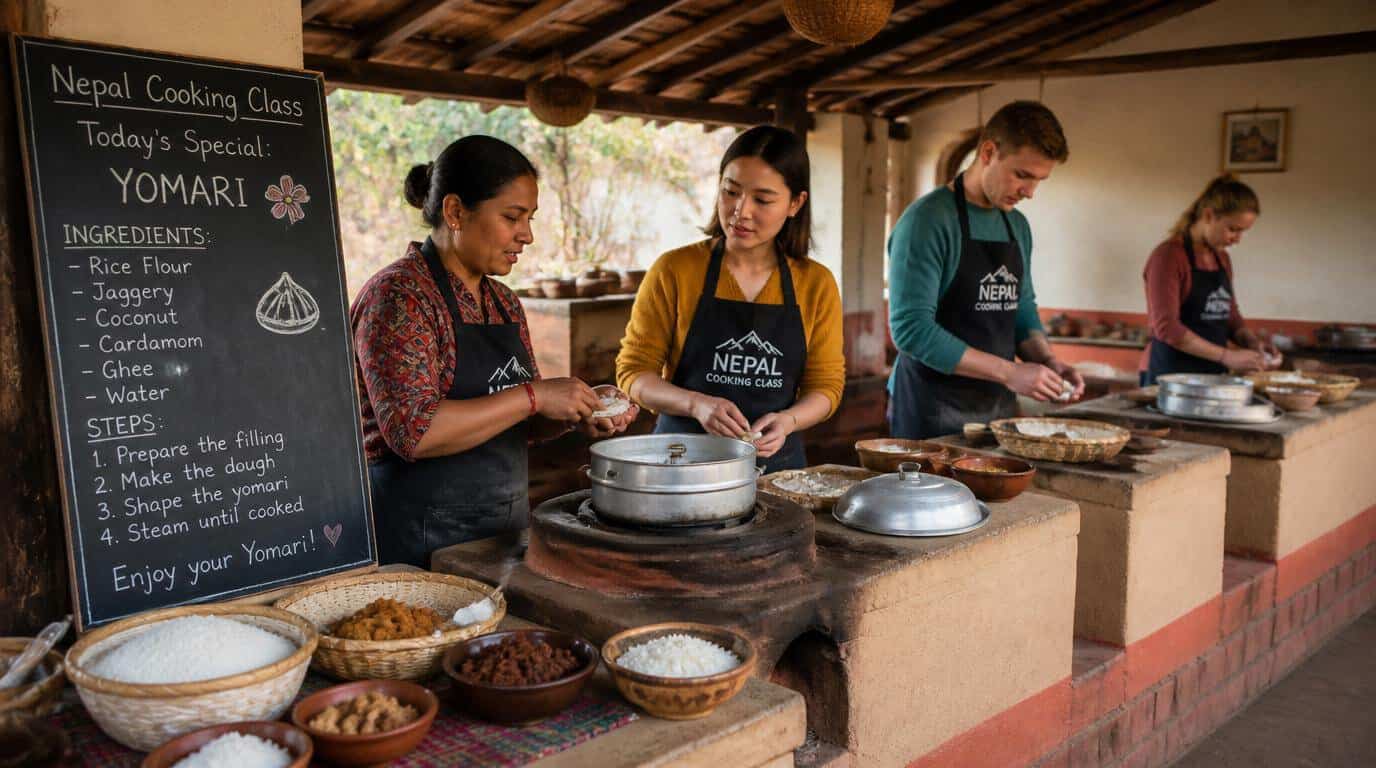
Nepal Yomari Recipe: Yomari is a delightful steamed dumpling that hails from the Newari community in Nepal. Its unique shape and delicious filling make it a treat that we fell in love with during our travels. In this blog post, we will share our favorite Yomari recipe that captures the essence of this traditional dish, allowing you to recreate it at home.
As we journey around the world, we gather recipes from local restaurants and cooking classes. Yomari stood out to us not just for its flavor, but also for the cultural significance it holds during celebrations, especially during Yomari Punhi. This dish perfectly combines rice flour and a sweet filling, typically made with jaggery and coconut, making it a must-try for anyone interested in global cuisine.
Join us as we explore the steps to make Yomari, sharing tips that we learned along the way. Whether you’re an experienced cook or just starting out, we believe that this recipe will not only be fun to make but also a delicious addition to your meal rotation.
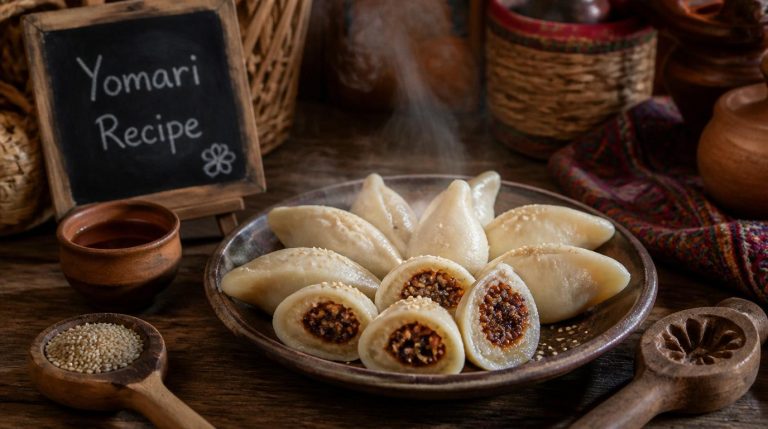
Nepal Yomari Recipe
Why You’ll Love This Nepal Yomari Recipe
Yomari is a delightful treat that brings a taste of Nepal right to our kitchen. With its unique shape and sweet filling, it’s a dish we can enjoy on special occasions or any day.
Here’s what makes this recipe special:
- Cultural Connection: Yomari is deeply rooted in Newari culture. It is especially eaten during the Yomari Punhi festival, making it a meaningful dish to share with family and friends.
- Deliciously Sweet Filling: The filling, typically made from jaggery and nuts, offers a rich and sweet flavor. We can also experiment with fillings like chocolate or other sweet ingredients.
- Simple Ingredients: The recipe uses basic ingredients like rice flour and water, making it easy for anyone to prepare. Most ingredients can be found in our pantry or local markets.
- Steamed Goodness: Yomari is steamed, which makes it a healthier option compared to fried snacks. We enjoy the soft, chewy texture that comes from steaming.
- Versatile Recipe: We can customize the filling based on our preferences. Whether we prefer traditional or modern twists, Yomari can adapt to our tastes.
Making Yomari together can be a fun and rewarding experience. We get to learn about Nepali traditions while creating something delicious to eat.
What Makes This Recipe Special
Yomari is more than just a dish; it’s a blend of culture and tradition. We celebrate this steamed dumpling during special occasions, especially the Yomari Punhi festival.
Unique Filling
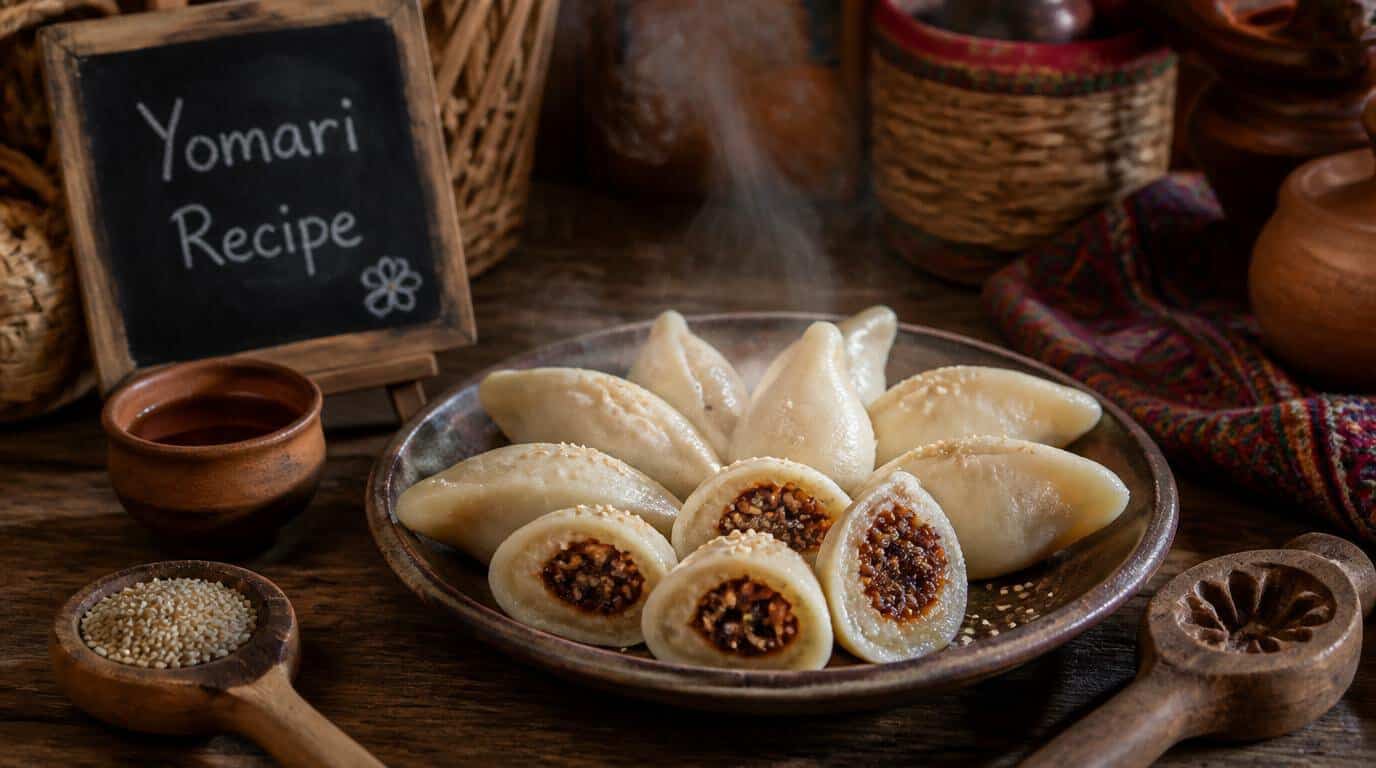
The filling is what sets Yomari apart. We use Chhaku, a sweet mixture made from ingredients like:
- Jaggery
- Molasses
- Coconut
- Nuts
This combination gives Yomari a rich flavor and a delightful texture.
Traditional Method
The process of making Yomari involves shaping rice flour dough around the filling. We steam these dumplings, which keeps them soft and chewy. This technique has been passed down through generations.
Nutritional Value
Yomari is not only delicious but also nutritious. The ingredients provide a good source of energy.
Cultural Significance
Each bite of Yomari connects us to our Newari heritage. It symbolizes community and sharing, making it a beloved dish in our culture.
Yomari reflects our love for food and tradition, bringing joy to many families in Nepal.
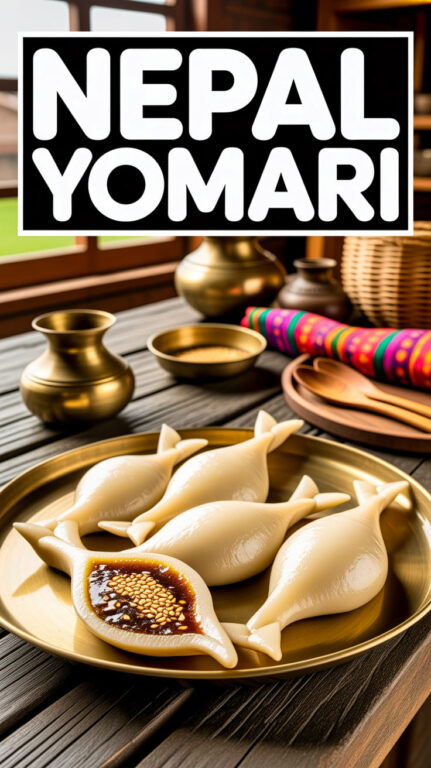
Cooking Equipment Needed
To make Yomari, we need some essential cooking equipment. Here’s a list of what we’ll use:
- Steamer: This is important for cooking the Yomari. A bamboo steamer works well for this dish.
- Mixing Bowls: We’ll need a few bowls for mixing ingredients. Using different sizes can help keep our workspace organized.
- Rolling Pin: A rolling pin helps us flatten the dough to the right thickness.
- Spoon: A spoon is needed for stirring and filling the dumplings.
- Measuring Cups and Spoons: It’s important to measure our ingredients accurately for the best taste.
- Plastic Wrap or Cloth: We can use this to cover the dough while it rests. This helps keep it moist.
- Knife or Dough Cutter: A sharp knife makes cutting the dough easier.
- Heat Source: We need a stove or gas burner for the steamer.
These tools are straightforward and make the cooking process smoother. Having everything ready can help us enjoy making Yomari even more.
Ingredients For the Nepal Yomari Recipe
Flour
All-purpose Flour
Jaggery
Sesame Seed
Ghee
Milk
Water
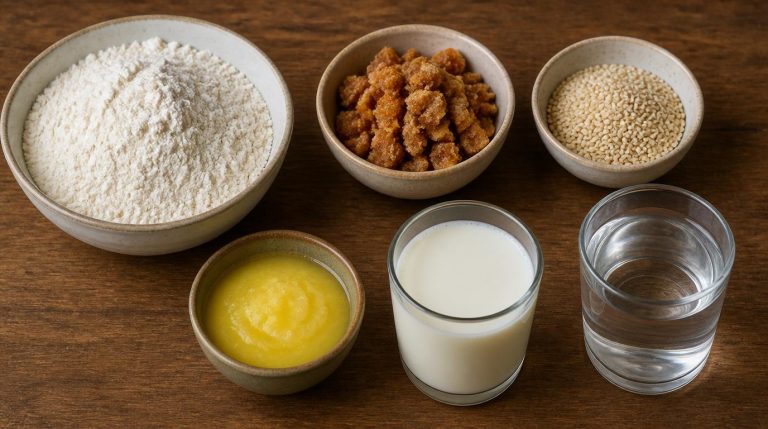
Nepal Yomari Recipe Ingredients
Cooking Instructions For the Nepal Yomari Recipe
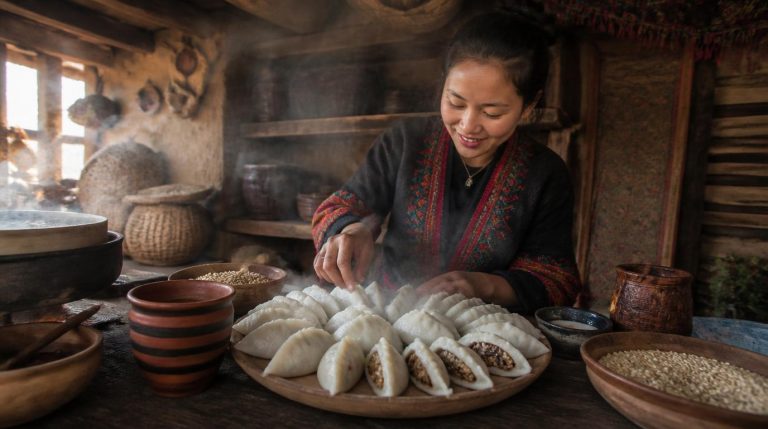
Shaping the Dough
Moisten your hand by applying a small amount of oil, then take a small ball of dough. Shape it into a round form and gradually mold it into a cone shape, ensuring there are no holes.
Creating the Cavity
Dip your forefinger into warm water with ghee or oil, and gently press down to create a deep cavity in the center of the cone.
Adding the Filling
Fill the cavity halfway with melted jaggery and sesame seeds. Hold the mouth of the hole, then begin closing the top of the cone using your forefinger and thumb.
Steaming the Yomari
Once the Yomari is shaped, steam it in a steamer for about 10-15 minutes.
Ready to Serve
After steaming, the Yomari is ready to serve.
Nepal Yomari Recipe Cooking Tips
Cooking Tips for Nepal Yomari Recipe
Nepal Yomari Recipe
Ingredients
- 2 cups Flour rice
- 1/3 cup All-purpose Flour
- 2 cups Jaggery
- 1 tbsp Sesame Seed
- 2 tbsps Ghee clarified butter or oil
- 1/2 cup Milk
- 1/2 cup Water warm
Instructions
- Moisten your hand by applying a small amount of oil, then take a small ball of dough. Shape it into a round form and gradually mold it into a cone shape, ensuring there are no holes.
- Dip your forefinger into warm water with ghee or oil, and gently press down to create a deep cavity in the center of the cone.
- Fill the cavity halfway with melted jaggery and sesame seeds. Hold the mouth of the hole, then begin closing the top of the cone using your forefinger and thumb.
- Once the Yomari is shaped, steam it in a steamer for about 10-15 minutes.
- After steaming, the Yomari is ready to serve.
FAQ For the Nepal Yomari Recipe
Question: What is the Nepal Yomari recipe?
A: The Nepal Yomari recipe is a traditional steamed dumpling made from rice flour dough and filled with a sweet mixture of molasses and sesame seeds. It is a popular dish in Newari cuisine and is especially prepared during the Yomari Punhi festival.
Question: How do you make the Nepal Yomari recipe?
A: To make the Nepal Yomari recipe, a soft dough is prepared using rice flour and warm water. The dough is shaped into a fish-like dumpling, filled with a sweet mixture of molasses and sesame seeds, then steamed until fully cooked.
Question: What is the significance of the Nepal Yomari recipe?
A: The Nepal Yomari recipe holds cultural significance in the Newar community, particularly during the Yomari Punhi festival. It is believed to bring prosperity and is offered to deities as a symbol of gratitude for a good harvest.
Question: Can the Nepal Yomari recipe have different fillings?
A: Yes, the Nepal Yomari recipe can have variations in fillings. While the traditional filling is made with molasses and sesame seeds, some versions use sweetened coconut, chaku (hardened jaggery), or even chocolate for a modern twist.
Question: How should the Nepal Yomari recipe be served?
A: The Nepal Yomari recipe is best served warm, straight out of the steamer. It can be enjoyed as a dessert or snack, often accompanied

Recipes are gathered in person and written for real-world cooking conditions.
- 10 Hungarian Dessert Recipes Passed Down Through Generations - July 25, 2026
- 11 Easy English Recipes Anyone Can Make - July 25, 2026
- Hungarian Kifli Recipe - July 25, 2026
4 comments
These steamed rice flour dumplings had the perfect chewy texture! The sweet filling of jaggery and sesame melted into a gooey center. The shape held well during steaming, and each bite had a comforting warmth. My guests loved the contrast of the soft dough with the rich, syrupy filling.
Im not convinced that the unique filling in the Nepal Yomari recipe is as special as they claim. I think a traditional filling would have been just as delicious. What do you guys think?
Im not convinced that the unique filling in the Nepal Yomari recipe is all that special. I mean, does it really make that much of a difference? Im all for traditional recipes, but lets not get too caught up in the details!
Im not convinced that the unique filling is what makes this Nepal Yomari recipe special. I think its the traditional preparation method that truly sets it apart. What do you all think?
Comments are closed.