
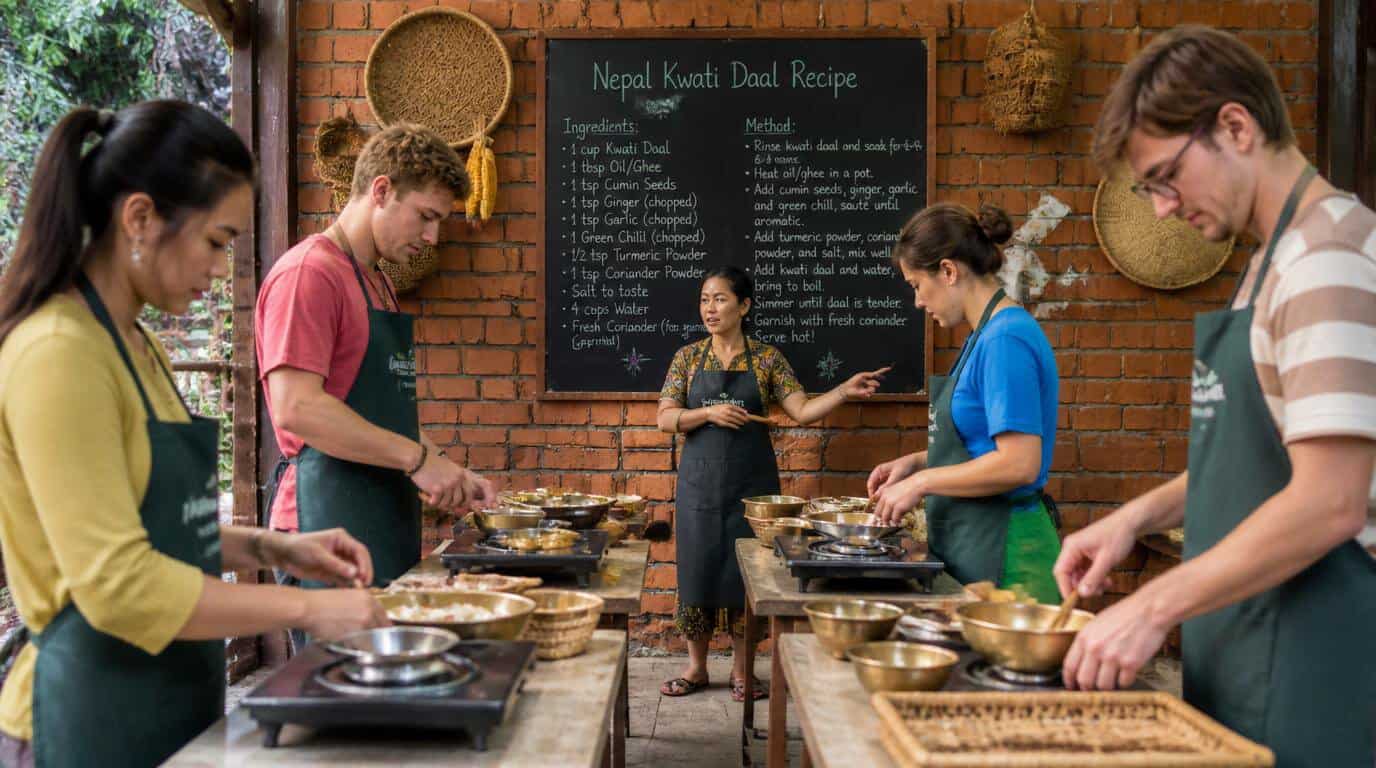
Nepal Kwati Daal Recipe: This verion of the Nepal Kwati Daal recipe is a flavorful mixed lentil stew that warms both the body and soul. This dish brings together a variety of lentils, beans, and sprouts to create a creamy, comforting meal that highlights the rich culinary traditions of Nepal.
Our travels have taken us to many kitchens around the world, and this recipe quickly became a favorite for its unique blend of ingredients and satisfying taste.
As we explored Nepalese cuisine, we found that Kwati Daal is often prepared during special occasions and festivals. It showcases not only the diversity of lentils but also the importance of communal cooking and sharing meals with family and friends.
We’re excited to share our insights on making this dish, along with tips we’ve gathered from local chefs and cooking classes we have attended.
Join us as we dive into the steps to create your own Nepal Kwati Daal, and learn how this simple stew can be the highlight of your meal.
With its hearty ingredients and rich flavors, you’ll see why this dish deserves a spot in your recipe collection.
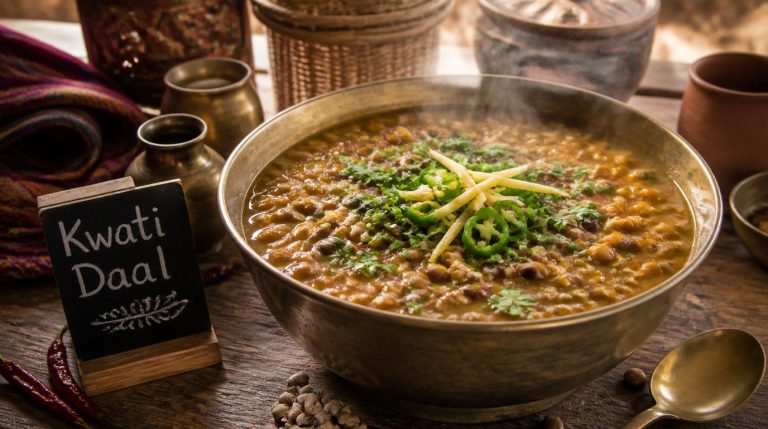
Nepal Kwati Daal Recipe
Why You’ll Love Nepal Kwati Daal Recipe
We appreciate Nepal Kwati Daal recipe for its rich flavor and hearty ingredients. This stew uses a variety of lentils, beans, and sprouts, making it not only delicious but also nutritious.
Health Benefits:
- High in Protein: A fantastic source for vegetarians and health-conscious eaters.
- Rich in Fiber: Supports digestive health and keeps you feeling full.
- Vitamins and Minerals: Packed with essential nutrients from the various legumes.
Comfort Food:
Kwati Daal is a warm, comforting meal, perfect for cold days. The creamy texture and smoky flavor make it a go-to dish in Nepal.
Cooking Versatility:
We can prepare this stew in an Instant Pot or on the stovetop, offering flexibility for busy schedules.
Cultural Experience:
By trying the Kwati Daal recipe, we embrace a dish rooted in Nepal tradition. Exploring its origins enhances our appreciation for the meal.
We find that combining the variety of lentils and beans creates a unique taste in every bite. This dish not only fills our stomachs but also enriches our culinary experiences.
Our travels and cooking classes allow us to bring this joyful dish to your kitchen. Enjoy the taste of Nepal and discover why Kwati Daal recipe is loved by many.
What Makes This Recipe Special
Nepal Kwati Daal stands out because of its unique blend of ingredients. This dish combines various lentils and beans, creating a hearty meal that is both nutritious and satisfying.
Key Features:
- Variety of Ingredients: The stew includes multiple types of legumes. Each adds its own flavor and texture.
- High in Protein: With so many legumes, it’s an excellent source of protein, making it perfect for vegetarians and health-conscious eaters.
- Cultural Significance: Kwati is cherished in Nepal, especially in mountain regions. It is often prepared during festivals or special occasions.
Cooking Methods:
- We can prepare the Kwati Daal recipe using an Instant Pot or on the stovetop. Both methods yield a rich, creamy stew that warms the soul.
Flavor Profile:
- The stew is often seasoned with spices, which enhances its taste. The combination results in a comforting and inviting dish.
Being able to share such a special recipe connects us to the culture, traditions, and flavors of Nepal. Our experience collecting recipes enriches our understanding and appreciation of world cuisines.
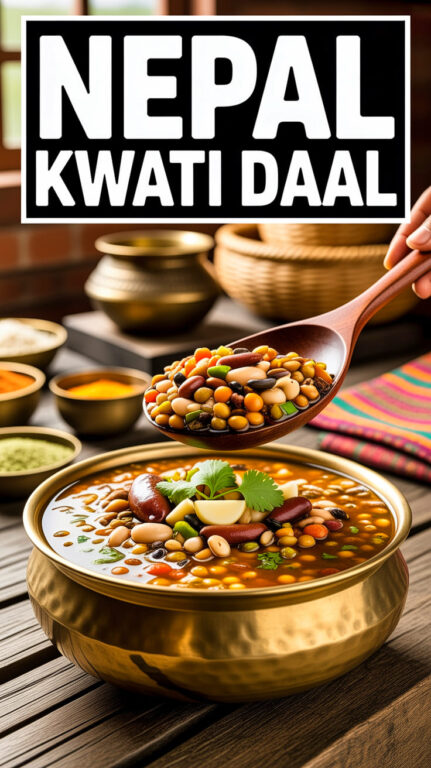
Cooking Equipment Needed
To make Nepal Kwati Daal, we need some essential cooking equipment. Here’s what we suggest:
- Pressure Cooker: This is the best option for quickly cooking lentils. It helps to save time and ensures that the lentils are tender.
- Instant Pot: An alternative to the pressure cooker. It offers a range of settings, making it versatile for different cooking styles.
- Stovetop Pot: If you prefer, you can use a regular pot on the stove. This method may take longer, but it works just fine.
- Measuring Cups and Spoons: For accuracy, we need measuring tools to ensure the right quantities of lentils, water, and spices.
- Mixing Spoon: A sturdy spoon is needed to stir the ingredients while cooking.
- Ladle: Use a ladle for serving the stew once it’s cooked.
- Strainer: If we soak the lentils, a strainer helps to drain the excess water.
- Chopping Board and Knife: For any additional ingredients like vegetables or spices that we may want to add.
Having these tools will make the cooking process smoother and help us prepare a delicious dish. Enjoying this nutritious stew is a great experience that deserves the right equipment.
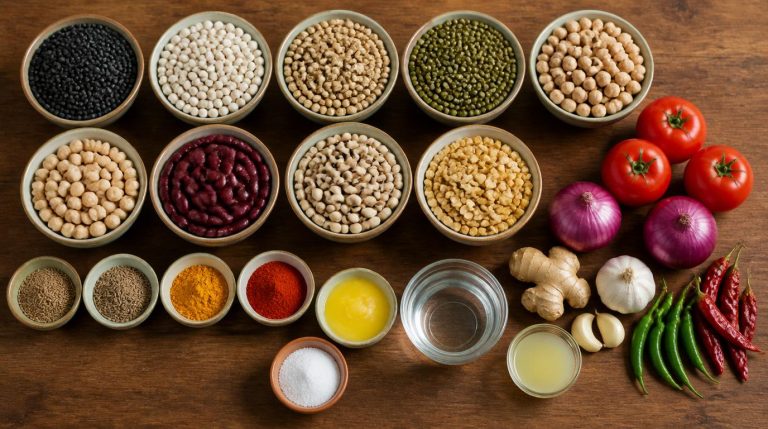
Ingredients For the Nepal Kwati Daal Recipe
Lentils
Black Lentils
White Peas,
Moth Beans
Moong Beans
Chickpeas
Garbanzo Beans
Kidney Beans
Black Eyed Peas
Chickpeas
Pigeon Peas
Additional Ingredients
Tomatoes
Onion
Tomato Puree
Green Chilies
Ginger
Garlic
Chilies
Carom Seeds
Cumin Seeds
Turmeric Powder
Red Chili Powder
Ghee
Water
Lemon Juice
Salt
Cooking Instructions For the Nepal Kwati Daal Recipe
Cooking the Lentils
In a pressure cooker, combine the soaked lentils, salt, ½ teaspoon of turmeric, sliced ginger, sliced garlic, and 3 cups of water. Close the lid and cook on medium heat for 4-5 whistles, ensuring the first whistle is on high heat.
Preparing the Tempering
In a separate pan, heat ghee and add cumin seeds, carom seeds, and dried red chilies. Sauté these ingredients for about a minute. Then, add the minced ginger, garlic, and green chilies, and sauté for another minute.
Cooking the Tomatoes
Add the chopped onions to the pan and sauté until they become translucent. Next, add the tomatoes, tomato paste, the remaining ½ teaspoon of turmeric, and ¼ cup of water. Allow the mixture to simmer until the tomatoes become tender.
Combining the Lentils and Tomato Mixture
Once the pressure cooker has been opened, stir the lentils and then add them to the pan with the tomato mixture. Let everything simmer on low flame for 10 minutes.
Final Touches
Add lemon juice to the dish and garnish with cilantro before serving.
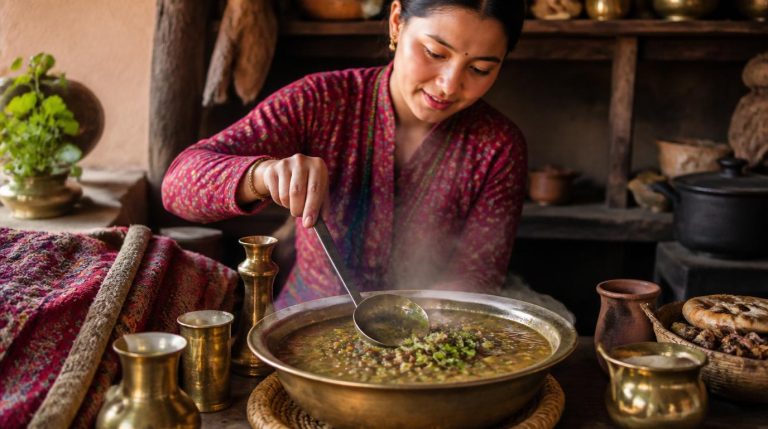
Nepal Kwati Daal Recipe Cooking Tips
Cooking Tips For the Nepal Kwati Daal Recipe
- Use a mixture of sprouted beans and legumes for the traditional flavor and texture.
- Common beans include mung beans, black-eyed peas, chickpeas, soybeans, and lentils.
- Soak the beans thoroughly before sprouting to help them cook more evenly.
- Rinse sprouted beans regularly during the sprouting process to maintain freshness.
- Cook harder beans longer so all varieties become tender at a similar time.
- Garlic, ginger, onions, and tomatoes create a flavorful base for the soup.
- Mustard oil or ghee can add traditional Nepalese richness.
- Toast spices such as cumin, coriander, turmeric, and fenugreek for deeper aroma.
- Simmer the soup gently to keep the beans intact while blending the flavors.
- Add water gradually to control the thickness of the daal.
- Green chilies can provide warmth without overpowering the legumes.
- Fresh cilantro brightens the finished dish.
- Taste near the end of cooking because the beans absorb seasoning over time.
- Let the kwati daal rest briefly before serving so the flavors settle together.
- Serve hot with rice, beaten rice, or flatbread.
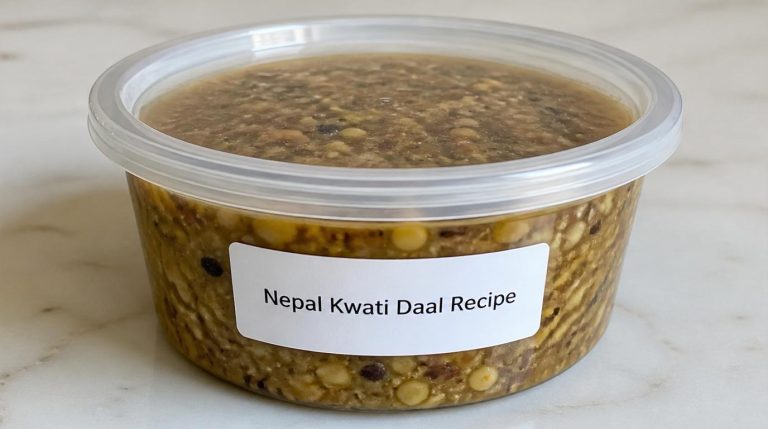
Nepal Kwati Daal Recipe Storage Tips
Storage Tips For the Nepal Kwati Daal Recipe
- Allow the daal to cool slightly before transferring it into storage containers.
- Sprouted bean soups often thicken after refrigeration as the legumes continue absorbing liquid.
- Stir the soup well while reheating to evenly redistribute the beans and broth.
- Add a little warm water or stock if the consistency becomes too dense after chilling.
- Store rice or breads separately to help maintain their texture.
- Refrigerated kwati daal may develop a richer flavor after resting overnight.
- Freeze leftovers in meal-sized portions for easier reheating later.
- Leave some space in freezer containers because soups expand during freezing.
- Thaw frozen portions gradually in the refrigerator before reheating.
- Fresh cilantro or garnishes should be added after reheating for brighter flavor.
- Avoid repeatedly reheating the same batch, which can affect the texture of the beans.
- Keep containers tightly sealed to help preserve aroma and freshness.
- Use clean serving utensils to reduce the chance of contamination.
- Discard leftovers if the daal develops sour smells, bubbling, or slimy texture.
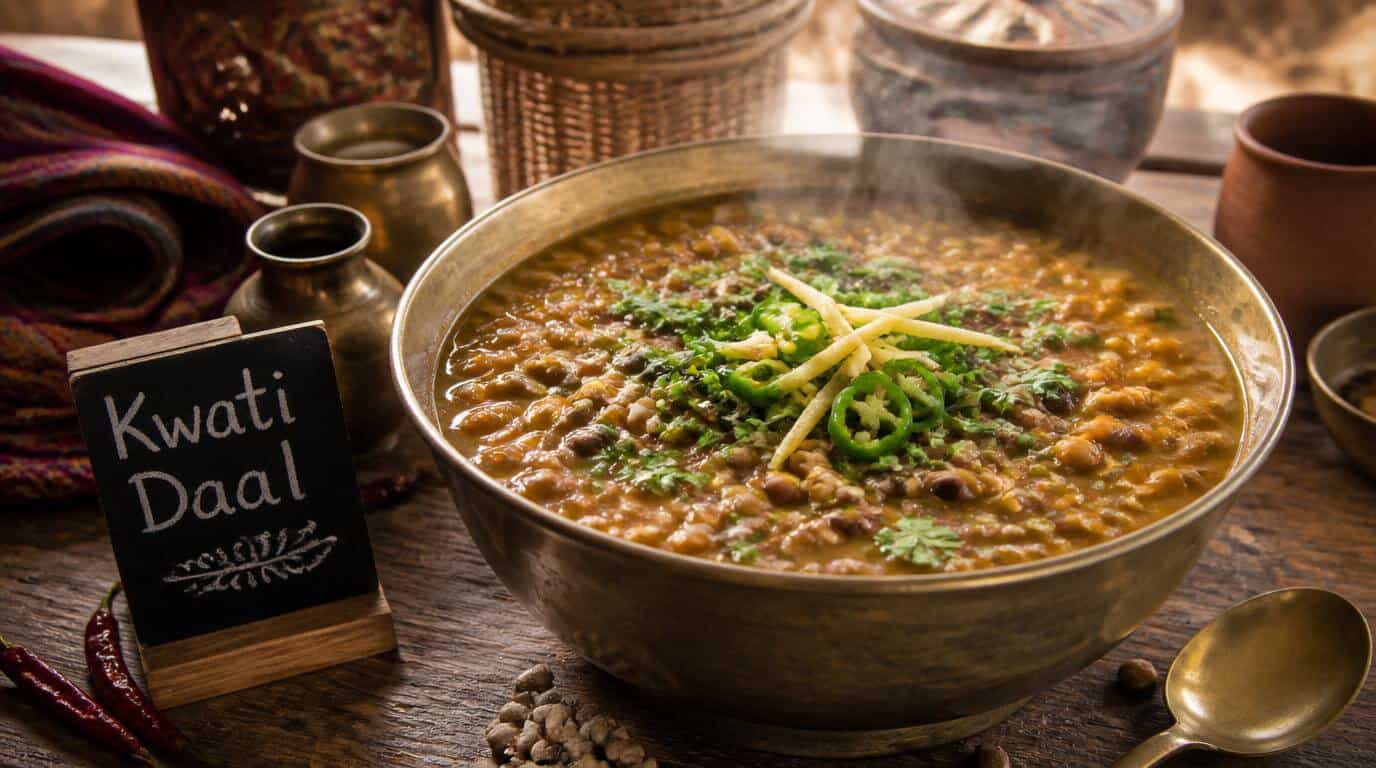
Nepal Kwati Daal Recipe
Ingredients
- 1/4 cup Black Lentils
- 1/4 cup White Peas dried
- 1/4 cup Moth Beans
- 1/4 cup Moong Beans
- 1/4 cup Chickpeas brown
- 1/4 cup Garbanzo Beans
- 1/4 cup Kidney Beans
- 1/4 cup Black Eyed Peas
- 1 tbsp Dhickpeas split yellow
- 1 tbsp Pigeon Peas split
- 3 to Tomatoes finely chopped
- 1 1/2 Onion finely chopped
- 2 tbsp Tomato Puree
- 1 tsp Green Chilies
- 1 tbsp Garlic minced
- 1 tbsp Ginger minced
- 1 inch Ginger sliced
- 1 clove Garlic sliced
- 3 Red Chilies dried
- 1/2 tsp Carom Seeds
- 1 tsp Cumin Seeds
- 1/2 tsp Turmeric Powder
- 1 1/2 tsp Red Chili Powder
- 3 tbsp Ghee
- 3 1/4 cup Water
- 1 tbsp Lemon Juice
- 1/2 tsp Salt to taste
Instructions
- In a pressure cooker, combine the soaked lentils, salt, ½ teaspoon of turmeric, sliced ginger, sliced garlic, and 3 cups of water. Close the lid and cook on medium heat for 4-5 whistles, ensuring the first whistle is on high heat.
- In a separate pan, heat ghee and add cumin seeds, carom seeds, and dried red chilies. Sauté these ingredients for about a minute. Then, add the minced ginger, garlic, and green chilies, and sauté for another minute.
- Add the chopped onions to the pan and sauté until they become translucent. Next, add the tomatoes, tomato paste, the remaining ½ teaspoon of turmeric, and ¼ cup of water. Allow the mixture to simmer until the tomatoes become tender.
- Combining the Lentils and Tomato Mixture
- Once the pressure cooker has been opened, stir the lentils and then add them to the pan with the tomato mixture. Let everything simmer on low flame for 10 minutes.
- Add lemon juice to the dish and garnish with cilantro before serving.
FAQ For the Nepal Kwati Daal Recipe
Question: What is the Nepal Kwati Daal recipe?
A: The Nepal Kwati Daal recipe is a traditional mixed lentil soup made with nine different types of sprouted beans, cooked with aromatic spices, garlic, ginger, and ghee. This dish is especially popular during the Nepalese festival of Janai Purnima.
Question: How do you make the Nepal Kwati Daal recipe?
A: To make the Nepal Kwati Daal recipe, soak and sprout a mix of lentils, then cook them with onions, tomatoes, turmeric, cumin, garlic, and ginger. The dish is typically finished with ghee and fenugreek-infused tempering for added depth.
Question: What are the health benefits of the Nepal Kwati Daal recipe?
A: The Nepal Kwati Daal recipe is packed with protein, fibre, and essential nutrients due to its mix of sprouted beans. It is known for aiding digestion, boosting immunity, and providing sustained energy, making it a nutritious addition to any diet.
Question: Can I make the Nepal Kwati Daal recipe without sprouting the beans?
A: While sprouting enhances the nutritional value of the Nepal Kwati Daal recipe, you can still make it with regular mixed lentils. However, the texture and taste may differ slightly from the traditional version.
Question: What dishes pair well with the Nepal Kwati Daal recipe?
A: The Nepal Kwati Daal recipe pairs well with steamed rice, roti, or sel roti. It is often served with achar (pickle) or a side of sautéed greens for a balanced meal.

Recipes are gathered in person and written for real-world cooking conditions.
- 10 Hungarian Dessert Recipes Passed Down Through Generations - July 25, 2026
- 11 Easy English Recipes Anyone Can Make - July 25, 2026
- Hungarian Kifli Recipe - July 25, 2026
3 comments
This mixed bean stew turned out hearty and packed with flavor! The beans softened beautifully, and the slow simmer brought out deep, earthy notes. The garlic, cumin, and chilies added warmth and spice. Served it with fresh bread, and my guests loved how filling and comforting it was!
I never knew Kwati Daal required so many cooking equipment! Is it really worth all the hassle? I mean, cant we just simplify the recipe a bit for us lazy cooks? 🤔
Im not convinced that using specific cooking equipment is necessary for making a delicious dish like Nepal Kwati Daal. Cant we just use what we have in our kitchen? Whos with me on this?
Comments are closed.