
Nepal Gundruk Recipe: Gundruk is a beloved dish from Nepal that captures the essence of local flavors and traditions. This simple yet nutritious recipe features fermented leafy greens, typically mustard and radish leaves, making it a staple in many Nepali households. We’ve explored various cooking classes and local restaurants to bring you an authentic way to prepare this delightful dish.
As we traveled through Nepal, we learned that Gundruk is not only cherished for its taste but also for its health benefits. The fermentation process enhances the greens’ nutritional profile, making it a fantastic addition to any meal. We’re excited to share our take on this popular recipe, which is steeped in history and vibrant flavor.
Join us as we guide you through the steps to create your own Gundruk at home. With its unique flavors and rich cultural background, this dish promises to be an exciting experience for your tastebuds.
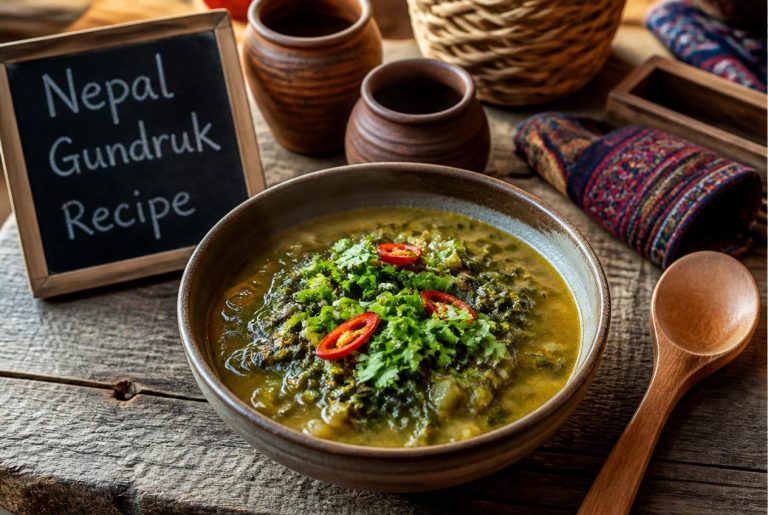
Nepal Gundruk Recipe
Why You’ll Love This Nepal Gundruk Recipe
We believe you’ll appreciate this Nepal Gundruk recipe for several reasons.
Unique Flavor
Gundruk has a distinct tangy flavor that comes from fermenting leafy greens. This makes the dish flavorful and full of character.
Simple Ingredients
You don’t need many ingredients to prepare Gundruk. Just a few vegetables, water, and basic spices can create a delicious meal.
Versatile Dish
Gundruk can be enjoyed in various ways. Whether in a soup, as a side dish, or in a salad, it adapts well to different meals.
Healthy Option
Fermented foods like Gundruk are known for their health benefits. They can aid digestion and provide essential vitamins.
Cultural Experience
Making and enjoying Gundruk connects us with Nepali culture. It’s a central part of their cooking, allowing us to explore new traditions.
Easy to Make
Even if you’re not an expert cook, this recipe is straightforward. Step-by-step instructions ensure a tasty result without much hassle.
Perfect for Any Season
Gundruk can be served hot or cold, making it suitable for any time of the year. It’s comforting in winter and refreshing in summer.
We invite you to try this flavorful dish and enjoy its unique qualities. It’s a wonderful way to expand our culinary horizons together.
What Makes This Recipe Special
Gundruk is more than just a dish; it is a vital part of Nepali culture. We appreciate how this recipe highlights the use of fermented greens like mustard and radish leaves. The fermentation process not only preserves the greens but also enhances their flavor.
This ingredient provides several benefits:
- High Nutritional Value: Gundruk is rich in vitamins and minerals, making it a healthy choice.
- Unique Flavor: The fermentation adds a tangy taste that is distinct and delicious.
- Culinary Versatility: We can use Gundruk in soups, salads, and other dishes, making it adaptable for various meals.
The tradition of making Gundruk speaks to resourcefulness. In the mountainous regions of Nepal, people created this method to avoid wasting leafy greens. Dried and stored Gundruk ensures that families have access to nutritious food even during harsh conditions.
In our cooking, we love how Gundruk connects us to a community and a history. When we prepare this dish, we reflect on the rich cultural heritage of Nepal and the stories behind this beloved staple.
By using Gundruk, we bring a piece of Nepal into our kitchens. It allows us to share a unique part of Nepali cuisine with friends and family, enriching meals with flavor and tradition. This recipe exemplifies the blend of practicality and taste that defines many traditional foods.
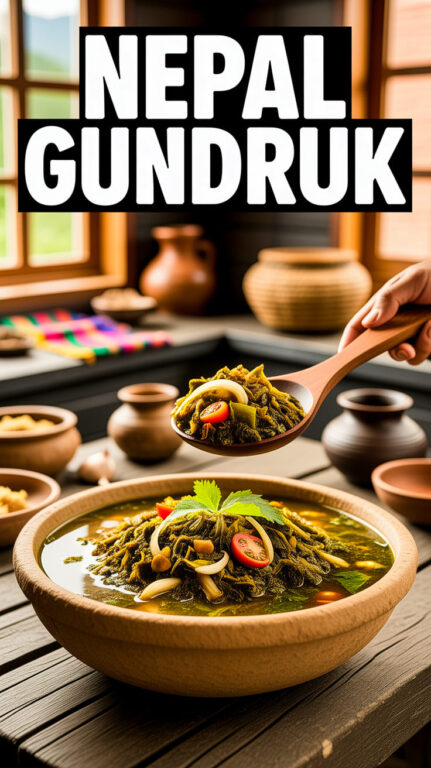
Cooking Equipment Needed
To make a delicious Gundruk dish, we need some basic cooking equipment. Here’s a list to help you gather everything needed.
- Cooking Pot: A deep pot is essential for cooking soups or stews with Gundruk.
- Bowl: We use a bowl to soak Gundruk in water before cooking. This helps to wash it clean.
- Spatula or Stirring Spoon: A spatula will help us stir the ingredients while cooking.
Measuring Tools:
- Measuring Cups: They are important for measuring out water and other ingredients.
- Measuring Spoons: Useful for spices and oils.
Cutting Tools:
- Knife: A good knife is necessary for chopping vegetables and preparing ingredients.
- Cutting Board: We need a cutting board to safely chop our ingredients.
Serving Dishes:
- Serving Plate or Bowl: Once our Gundruk dish is ready, we will need a plate or bowl for serving.
With these tools, we will be well-prepared to create a tasty meal featuring Gundruk. Each piece of equipment plays a role in making our cooking experience smooth and enjoyable.
Ingredients For the Nepal Gundruk Recipe
Vegetable Oil
Gundruk Mustard Greens
Potato
Onion
Tomato
Garlic
Fresh Vhilli
Coriander Powder
Turmeric Powder
Salt
Coriander Leaves
Lemon Juice
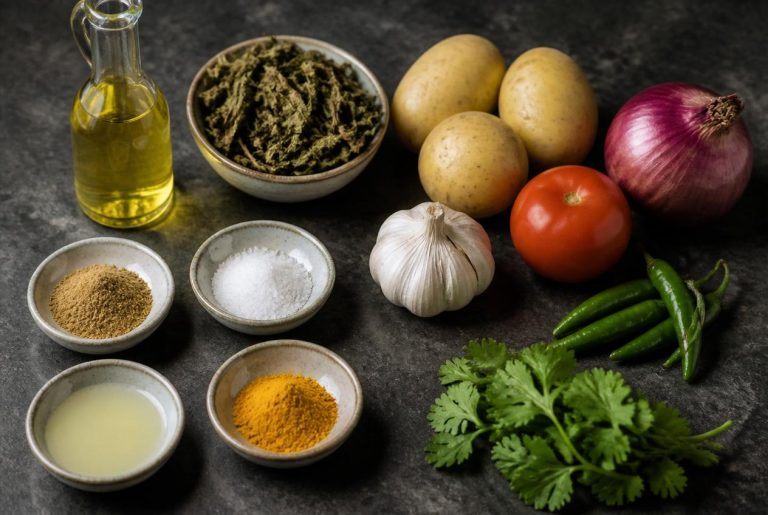
Nepal Gundruk Recipe Ingredients
Cooking Instructions For the Nepal Gundruk Recipe
Preparing the Gundruk
Place the Gundruk in a bowl filled with hot water and let it soak for 15 minutes. Use this time to prepare the remaining ingredients. Once soaked, allow it to cool slightly, then squeeze out excess water. If any pieces are too large, chop them into 3-5 cm chunks to ensure even cooking.
Sautéing the Aromatics
Heat vegetable oil in a deep skillet or pan over medium heat. Add the chopped onions, stirring occasionally until they turn golden brown and release their aroma. Stir in the garlic slices, frying until they turn golden but not brown. Next, add the dry spices—turmeric and coriander powder—stirring constantly to prevent sticking and to enhance the flavors.
Cooking the Vegetables
Add the diced potatoes and fry briefly until they begin to soften, ensuring they are evenly coated with the spiced oil. Stir in the soaked Gundruk and chopped green chilies, mixing well for 1-2 minutes. Incorporate the diced tomatoes and salt, occasionally covering the pan to help the tomatoes break down. Once the tomatoes have softened, pour in 1 liter of water, including the liquid from the soaked Gundruk. Bring to a gentle boil, then reduce to a simmer, cover the pan, and let it cook for 10 minutes on low to medium heat.
Finishing Touches
Turn off the heat and squeeze in fresh lemon juice to enhance the flavors. Finally, sprinkle freshly chopped coriander leaves on top, adding a bright color and fresh herbal aroma to the dish.
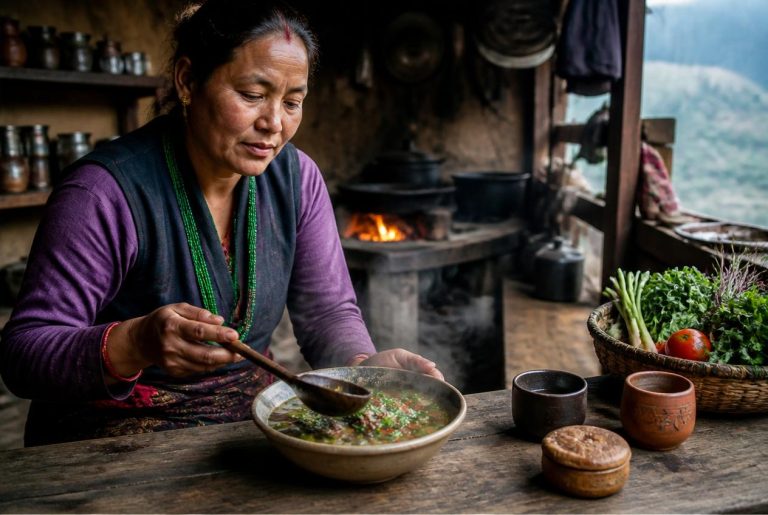
Nepal Gundruk Recipe Cooking Tips
Cooking Tips for Gundruk
- Use fresh mustard greens, radish leaves, or cauliflower leaves for traditional flavor.
- Wash the greens thoroughly before fermenting or cooking.
- Wilt the greens slightly before fermentation to reduce excess moisture.
- Pack the greens tightly during fermentation to help develop proper flavor.
- Allow enough fermentation time for the characteristic tangy taste to develop.
- Dry fermented greens fully before long-term storage to prevent spoilage.
- Rinse dried gundruk lightly before cooking to remove excess dust or debris.
- Soaking gundruk briefly in warm water can soften the texture before cooking.
- Garlic, onions, tomatoes, ginger, and chili complement the sour flavor well.
- Simmer gently to allow the fermented flavor to blend into the broth or curry.
- Add potatoes or beans for a heartier dish.
- A little oil or ghee can balance the tanginess.
- Taste before adding salt because fermented greens may already contain strong flavor.
- Fresh cilantro or green onions add brightness before serving.
- Serve with rice, dhido, or flatbread for a traditional meal.
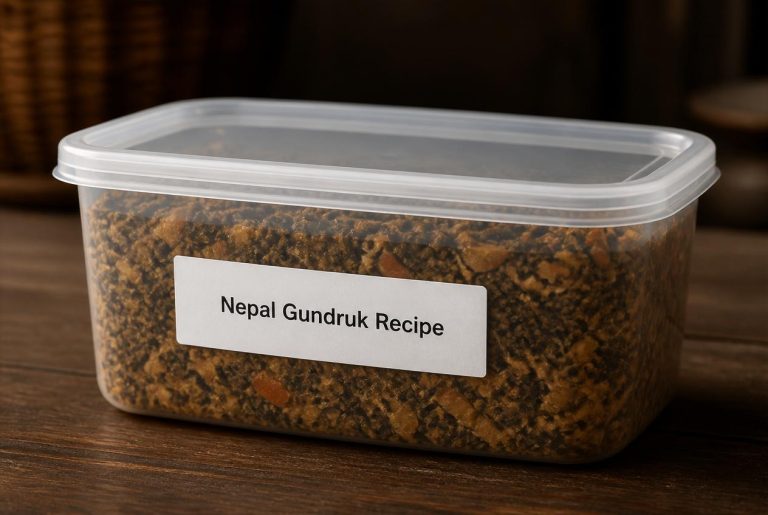
Nepal Gundruk Recipe Storage Tips
Storage Tips for Gundruk
- Keep dried gundruk in a dry, cool place away from moisture and direct sunlight.
- Airtight jars or sealed bags help preserve the fermented aroma and texture.
- Moisture exposure can cause the dried greens to spoil more quickly.
- Store smaller portions separately if you open the supply frequently.
- Properly dried gundruk can last for long periods when stored correctly.
- Once cooked, refrigerate leftovers in covered containers after cooling.
- Fermented flavors may become stronger after sitting overnight.
- Reheat cooked gundruk slowly so the greens maintain their texture.
- Add a little water or broth if the dish thickens too much after refrigeration.
- Avoid freezing dried gundruk in humid conditions where condensation may form.
- Fresh garnishes should be added after reheating rather than before storage.
- Use clean dry utensils when handling dried gundruk to reduce moisture contamination.
- If dried gundruk develops mold, dampness, or an unusual odor, discard it.
- Cooked leftovers showing excessive sourness or sliminess should not be consumed.
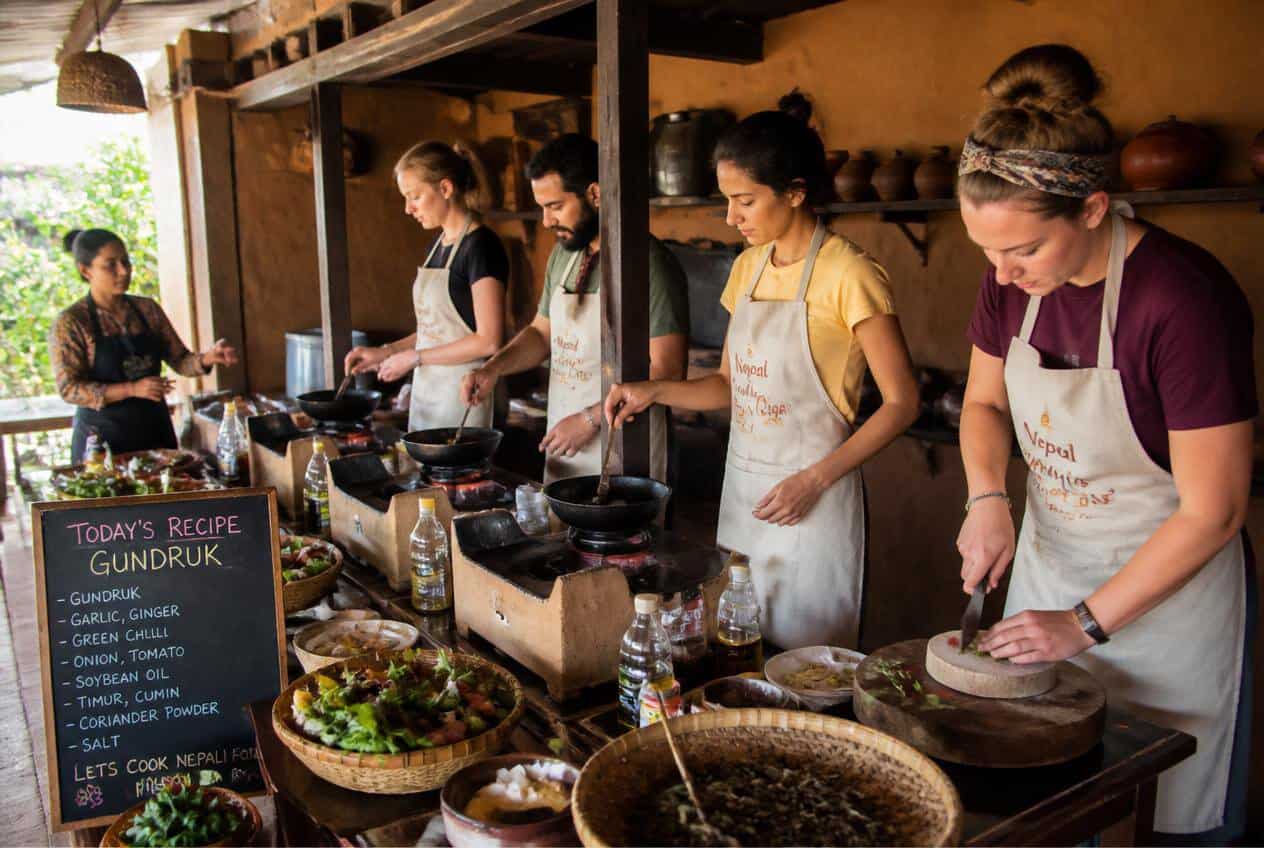
Nepal Gundruk Recipe
Ingredients
- 3 tbsp Vegetable Oil
- 4 oz Mustard Greens or other greens
- 1 Potato diced into small chunks
- 1 Onion medium-sized finely sliced
- 1 Tomato medium-sized roughly chopped
- 5 Garlic cloves finely sliced
- 1 Fresh Vhilli finely chopped
- ½ tsp Coriander Powder
- ½ tsp Turmeric Powder
- 1 tsp Salt
- 1/2 cup Coriander Leaves for garnishing
- 2 tbsp Lemon Juice
Instructions
- Place the Gundruk in a bowl filled with hot water and let it soak for 15 minutes. Use this time to prepare the remaining ingredients. Once soaked, allow it to cool slightly, then squeeze out excess water. If any pieces are too large, chop them into 3-5 cm chunks to ensure even cooking.
- Heat vegetable oil in a deep skillet or pan over medium heat. Add the chopped onions, stirring occasionally until they turn golden brown and release their aroma. Stir in the garlic slices, frying until they turn golden but not brown. Next, add the dry spices—turmeric and coriander powder—stirring constantly to prevent sticking and to enhance the flavors.
- Add the diced potatoes and fry briefly until they begin to soften, ensuring they are evenly coated with the spiced oil. Stir in the soaked Gundruk and chopped green chilies, mixing well for 1-2 minutes. Incorporate the diced tomatoes and salt, occasionally covering the pan to help the tomatoes break down. Once the tomatoes have softened, pour in 1 liter of water, including the liquid from the soaked Gundruk. Bring to a gentle boil, then reduce to a simmer, cover the pan, and let it cook for 10 minutes on low to medium heat.
- Turn off the heat and squeeze in fresh lemon juice to enhance the flavors. Finally, sprinkle freshly chopped coriander leaves on top, adding a bright color and fresh herbal aroma to the dish.
FAQ For the Nepal Gundruk Recipe
Question: What is the Nepal Gundruk recipe?
A: The Nepal Gundruk recipe is a traditional fermented leafy green dish made from mustard, radish, or cauliflower leaves. It is dried and used in soups, pickles, or curries, giving a distinct tangy and earthy taste to Nepalese meals.
Question: What ingredients are needed for the Nepal Gundruk recipe?
A: The Nepal Gundruk recipe requires fresh mustard, radish, or cauliflower leaves, which are fermented and dried. Additional ingredients for preparation may include tomatoes, garlic, ginger, chilies, turmeric, and mustard oil to enhance the taste.
Question: How is the Nepal Gundruk recipe prepared?
A: The Nepal Gundruk recipe is made by fermenting mustard or radish leaves for several days, then drying them under the sun. To cook, it is often sautéed with spices, added to soups, or mixed with pickles for a tangy and flavorful dish.
Question: Is the Nepal Gundruk recipe healthy?
A: The Nepal Gundruk recipe is highly nutritious, as it is rich in fiber, probiotics, and essential vitamins. The fermentation process enhances its nutritional value, making it a beneficial food for gut health and digestion.
Question: What makes the Nepal Gundruk recipe unique in Nepalese cuisine?
A: The Nepal Gundruk recipe is unique because it is one of the few naturally fermented and dried leafy green dishes in Nepalese cuisine. Its tangy flavor, long shelf life, and health benefits make it a staple in many households across Nepal.

Recipes are gathered in person and written for real-world cooking conditions.
- 10 Hungarian Dessert Recipes Passed Down Through Generations - July 25, 2026
- 11 Easy English Recipes Anyone Can Make - July 25, 2026
- Hungarian Kifli Recipe - July 25, 2026
4 comments
I had never cooked with fermented greens before, but this dish was full of deep, earthy flavors! The mustard oil and chili gave it a slight heat, while the garlic added richness. It paired perfectly with rice. My guests said it had a great umami taste. Definitely worth making again!
I really enjoyed learning about the Nepal Gundruk Recipe! It got me thinking, though, do you think traditional recipes like this should be kept authentic, or is it okay to experiment with new ingredients and techniques?
Im not convinced that all these details about the Nepal Gundruk recipe are necessary. I mean, do we really need to know about the cooking equipment needed? Lets just get to the good stuff – the taste!
I cant help but wonder, does the type of cooking equipment really make a difference in how the Nepal Gundruk turns out? I mean, cant we just use whatever we have on hand? What do you guys think?
Comments are closed.