
Today i’ll walk you through quick wins and real-deal techniques for Malaysian rice and noodles recipes—think wok-charred fried noodles like char kway teow, tangy mee, and soul-warming noodle soup. You can totally recreate these iconic Malaysian rice and noodle recipe favorites at home, and I’ll help you do it with confidence. Here’s where you’ll find practical steps and the best tips for cooking classic Malaysian rice and noodle dishes—real flavors, no-nonsense technique.
You’ll get the backstory that makes each Malaysian rice and noodle recipe special, plus the tricks that actually matter—how to nail wok hay (that smoky sear everyone talks about), balance sauces in fried noodles, and simmer a savory broth for noodle soup. I’ll share the kind of tips that actually help: getting the texture right, nailing the timing, and seasoning so your Malaysian rice and noodle recipe always hits the spot.
Methods here cut through the noise—pantry swaps, plating ideas, and those little pro moves that take a basic Malaysian rice and noodle recipe and make it something you’ll want to serve again and again. Whether you’re after a weeknight Malaysian rice and noodle recipe or planning a show-stopper noodle dish, this guide’s got what you need for reliable, delicious results.
Malaysian Rice and Noodles Recipe Origins and Historical Context
Malaysian rice and noodle recipes really show off centuries of cultural mashups. Malay, Chinese, Indian, and Peranakan (Nonya) communities all left their mark, weaving together classics like nasi lemak and char kway teow into the fabric of Malaysian food culture.
Trade and migration brought new ingredients and techniques to the Malay Peninsula. Cantonese cooks introduced wok skills that led to stir-fries like chow ho fun and char kway teow, while Hokkien settlers gave us favorites like Hokkien mee and Penang hokkien mee.
Peranakan cooks blended Chinese and Malay flavors in dishes like laksa and curry laksa, ranging from the tangy asam laksa to the creamy laksa lemak. Mee siam and mee goreng? You’ll taste Thai, Malay, and Indian influences swirling together in those sweet, sour, and spicy notes.
Indian Muslim traders brought breads and curries that locals made their own: roti canai, nasi kandar, mee goreng mamak, and nasi minyak all mix Indian technique with Malaysian spices. Even your plate of nasi goreng, nasi goreng kampung, or nasi lemak tells a story of this blend.
Street food culture pushed things further, turning crowd-pleasers like mee goreng, mee rebus, pan mee, and prawn mee into daily staples. You’ll spot Japanese, Thai, and other Southeast Asian influences in dishes like tom yum soup, Malaysian-style fried udon, and coconut curry noodle soup. Malaysian rice and noodle recipe ideas just keep evolving.
Regional names help you explore: mee bandung, curry mee, mee goreng mamak, sambal udang, ayam percik, and fish curry all point to specific histories and local twists. Every Malaysian rice and noodle recipe has a backstory worth digging into.
Preparation Techniques
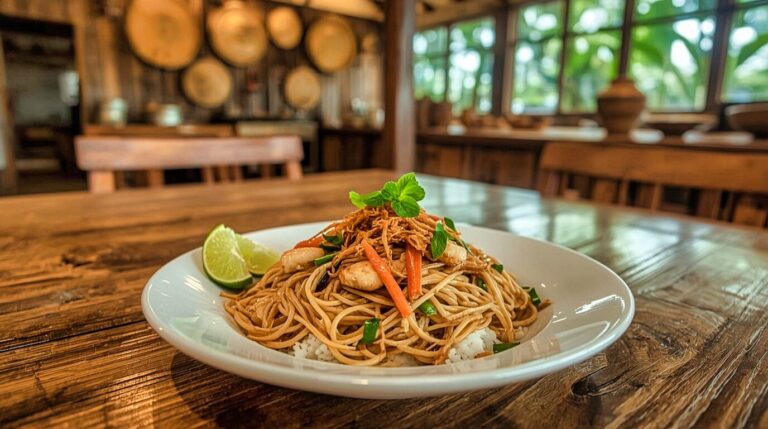
Start with the right noodles for your Malaysian rice and noodle recipe. Grab fresh rice noodles or wide kuey teow for char kway teow, rice vermicelli (bee hoon/mee hoon) for lighter stir-fries, and egg or yellow noodles if you’re after that chewy bite. Pat fresh rice noodles dry so they don’t clump, and soak dried vermicelli just until it’s flexible.
Get your proteins and aromatics ready before you fire up the wok. Slice prawns, fish cake, and cockles thin, and toss prawns with a dash of fish sauce or lime juice for a quick hit of flavor. Mince galangal, lemongrass, kaffir lime leaves, and pandan leaves separately to get those oils popping fast when they hit the pan.
Build those flavor layers! Mix dark soy, kecap manis, and oyster sauce for that savory-sweet base; then add fish sauce and belacan or shrimp paste for real umami. Keep sambal, sambal belacan, laksa paste, or curry powder close—you’ll want to tweak the heat and regional vibes as you go. It’s the secret to a great Malaysian rice and noodle recipe.
Crank the heat for wok dishes. Stir-fry bean sprouts, bell peppers, and green onions just until they’re crisp. Toss in rice noodles with chili paste, chili oil, or peanut sauce, and finish with a squeeze of calamansi or lime juice. That’s how you bring a Malaysian rice and noodle recipe to life.
Don’t skip the garnishes. Scatter fried shallots, crispy anchovies, and chopped peanuts over the top, and put sambal or Malaysian chili sauce on the table. It keeps each Malaysian rice and noodle recipe vibrant, and lets everyone dial in their own spice and salt. That’s the beauty of Malaysian rice and noodle recipe cooking—everyone gets to make it their own.
Expert Cooking Tips
You can get that elusive wok hei by cranking your heat way up and using a well-seasoned wok—seriously, don’t skimp on the heat. Toss ingredients fast, and always work in small batches so the pan stays scorching. Once you catch that smoky aroma and see a bit of charring, you’re on the right track for a legit Malaysian rice and noodle recipe.
No oyster sauce? Don’t stress. Mix soy sauce with a bit of hoisin or mushroom sauce for some depth. I like to adjust the sugar and maybe sneak in a dash of fish sauce if I’m craving more umami. Just keep tasting along the way—balancing sweet and savory is half the fun in a Malaysian rice and noodle recipe.
Always use day-old rice or really well-dried noodles. Freshly cooked stuff just gets mushy and clumps together, which is a total letdown for any Malaysian rice and noodle recipe. Cold rice or noodles stir-fry way better and soak up sauces without turning into a sticky mess.
Have everything prepped before you even think about turning on the burner—aromatics sliced, veggies blanched, sauces measured. Trust me, high heat waits for no one. This kind of prep keeps the whole Malaysian rice and noodle recipe process smooth and helps lock in the best texture and flavor.
When you’re out shopping, your local Asian grocery is a goldmine for fresh rice noodles, sambal, and all those authentic sauces you see in a good Malaysian rice and noodle recipe. Ask the staff for their favorite brands. I usually hunt for products labeled for stir-fry or specifically for char kway teow. Sometimes it’s a bit of a treasure hunt, but that’s part of the charm.
Add sauces slowly so you don’t accidentally drown your stir-fry. Finish with a quick blast of high heat to bring everything together—classic move in any Malaysian rice and noodle recipe. If things look watery, whisk a tiny bit of cornstarch with water and stir it in off the heat. It thickens up in seconds, so go easy.
For protein, always pat your meat dry and toss it with soy sauce and a splash of sesame oil. This quick marinade helps it brown instead of steaming, which is crucial for a Malaysian rice and noodle recipe. I’ve messed this up before, and trust me, soggy meat just ruins the vibe.
Malaysian Rice and Noodles Recipe
Ingredients
- 8 ounces rice noodles
- 2 tablespoon soy sauce
- 1 tablespoon oyster sauce
- 1 tablespoon vegetable oil
- 2 cloves garlic minced
- 1 cup bean sprouts
- 1 cup vegetables carrots, bell peppers, Chopped
- 2 stalks green onions chopped
Instructions
- Place the rice noodles in a bowl of warm water.
- Soak them for about 10 minutes, or until they become soft and pliable.
- Drain the noodles thoroughly and set them aside.
- Heat the vegetable oil in a large wok or skillet over medium-high heat.
- Add the minced garlic and stir-fry for about 30 seconds, or until fragrant.
- Be careful not to let the garlic brown or burn.
- Stir-Fry the Vegetables
- Add the chopped vegetables to the wok.
- Cook for 3 to 4 minutes, stirring frequently, until they are tender-crisp while still retaining their vibrant color.
- Add the softened rice noodles to the wok.
- Pour in the soy sauce and oyster sauce.
- Using tongs or two spatulas, gently toss everything together until the noodles are evenly coated and the sauce is well distributed.
- Add the bean sprouts and chopped green onions.
- Continue stir-frying for another 2 minutes, allowing all the ingredients to heat through while keeping the vegetables crisp.
- Taste and adjust the seasoning if needed.
- Serve immediately while hot as a light main course or as a flavorful side dish with your favorite Malaysian meals.
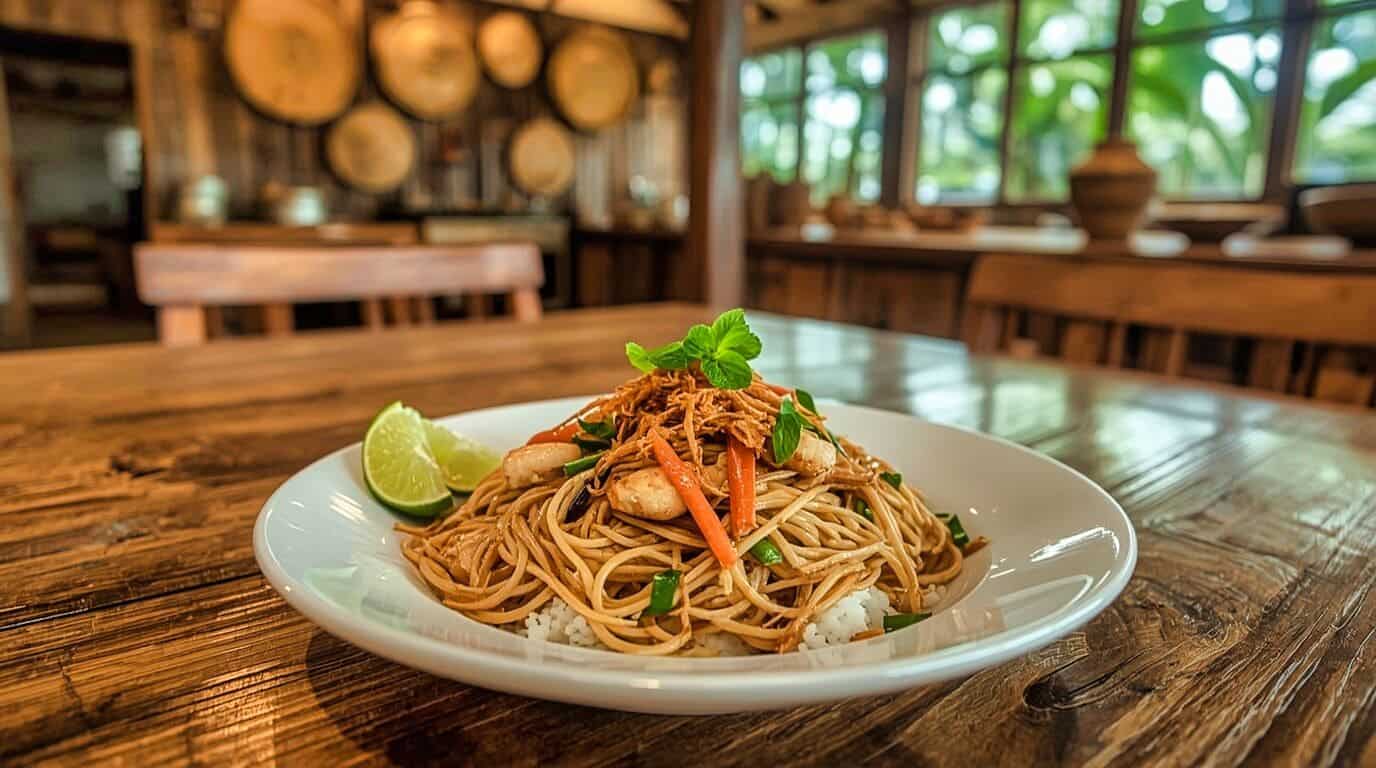
- These Malaysian Vegetable Rice Noodles are a quick, colorful stir-fry featuring tender rice noodles tossed with crisp vegetables in a savory soy and oyster sauce. Light yet satisfying, this versatile dish makes an excellent meatless meal or a delicious accompaniment to grilled chicken, seafood, or your favorite Malaysian curry.

Recipes are gathered in person and written for real-world cooking conditions.
- 10 Hungarian Dessert Recipes Passed Down Through Generations - July 25, 2026
- 11 Easy English Recipes Anyone Can Make - July 25, 2026
- Hungarian Kifli Recipe - July 25, 2026