
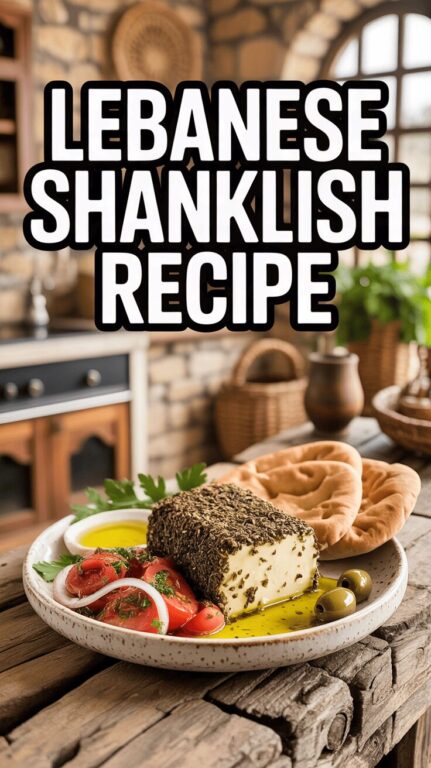
You can whip up an authentic Lebanese shanklish recipe at home with just strained yogurt, a handful of pantry spices, and, honestly, a bit of patience. Over time, it turns into those tangy, aromatic balls that are pretty much perfect for mezze or a zesty Lebanese breakfast. Shanklish (sometimes spelled shankleesh) basically starts as labneh, gets shaped, rolled in herbs like thyme or za’atar, and then ages until it’s got that unmistakable pungent, savory punch you can tweak to your taste.
You’ll dig into where this Middle Eastern cheese comes from and see how old-school village know-how shapes its flavor. Plus, I’ll walk you through the Lebanese shanklish recipe with practical tips that make the process feel doable and safe, not intimidating. I’ll lay out clear steps for forming, coating, and aging shanklish, and toss in a few tricks for managing the texture and aroma so your homemade Lebanese cheese really stands out on the table.
Origins and Culinary Background
Shanklish sits right at the heart of Levantine mouneh traditions—the seasonal ways families preserved dairy and other staples to get through winter. It all started with strained laban and labneh practices like areesh and chancliche, where folks pressed, salted, and dried yogurt to make it last. That’s the classic Lebanese shanklish recipe foundation.
People in mountain villages across Lebanon and Syria leaned on shanklish as a protein source that didn’t need a fridge, and, over time, its aged, tangy funk became a real star at the mezze table. It’s not just about practicality; it’s about flavor and tradition, too.
Regional spins on the Lebanese shanklish recipe pop up everywhere: some families shape crumbly, coarser balls covered in thyme or za’atar, while others go for firmer rounds, maybe with chili or a drizzle of olive oil. These twists reflect the milk—cow, sheep, or goat—and those quirky family methods that get passed down, sometimes with a wink and a shrug.
When you’re hunting for shanklish or the stuff to make it, Middle Eastern shops usually stock ready-made rounds, za’atar blends, or even dried labneh you can turn into your own Lebanese shanklish recipe at home. If you’re rolling up your sleeves, the basic drill is pretty familiar: concentrate yogurt, salt it, shape it, dry it out, and let it age until it’s just the right texture and tang for your taste. That’s the heart of any Lebanese shanklish recipe worth its salt.
Expert Tips for Preparation
If you want the best Lebanese shanklish recipe, start with really good strained yogurt or labneh. The thicker, the better—firmer texture means your aged cheese will actually hold up. When using Greek yogurt, just strain it overnight in cheesecloth. That extra step removes more whey and gives you a sturdier base for your Lebanese shanklish recipe.
Salt matters more than you might expect. Sprinkle it carefully and mix well—it doesn’t just preserve, it shapes the whole flavor as the cheese ages. I usually go with about 2% salt by weight for the strained yogurt. It’s a solid guideline if you’re after a consistent Lebanese shanklish recipe every time.
Roll the cheese into small, tight balls. That helps them age faster and more evenly. Plus, the shape lets moisture escape and gives you a good surface for all the spices you’ll want to press in. Honestly, this part of the Lebanese shanklish recipe is kind of fun, even if it gets a bit messy.
Coat the balls right away in your favorite spice blend—zaatar is classic, but dried thyme mixed with crushed Aleppo pepper or chili flakes works too. Sometimes I get a little wild and add nigella seeds, sumac, or smoked paprika. It’s your Lebanese shanklish recipe, so don’t be afraid to experiment with the coatings.
Dry the shanklish somewhere cool and breezy, but not in direct sun. Humidity can be a pain, so if it creeps up, toss the cheese balls in a ventilated container or just pop them on a rack in the fridge. The Lebanese shanklish recipe really needs patience at this stage, but it’s worth it.
Every few days, turn the balls and check for even aging. If you spot a white bloom on the surface, rinse it off gently. Underneath, you’ll find the delicious, matured layer that makes the Lebanese shanklish recipe so unique.
When they’re just how you like, store the cheese balls in extra virgin olive oil or vacuum-seal them if you want them to last longer. The Lebanese shanklish recipe really shines when you smash the cheese with tomatoes, mint, and parsley and serve it on a mezze platter with warm pita or flatbread. I mean, is there anything better?
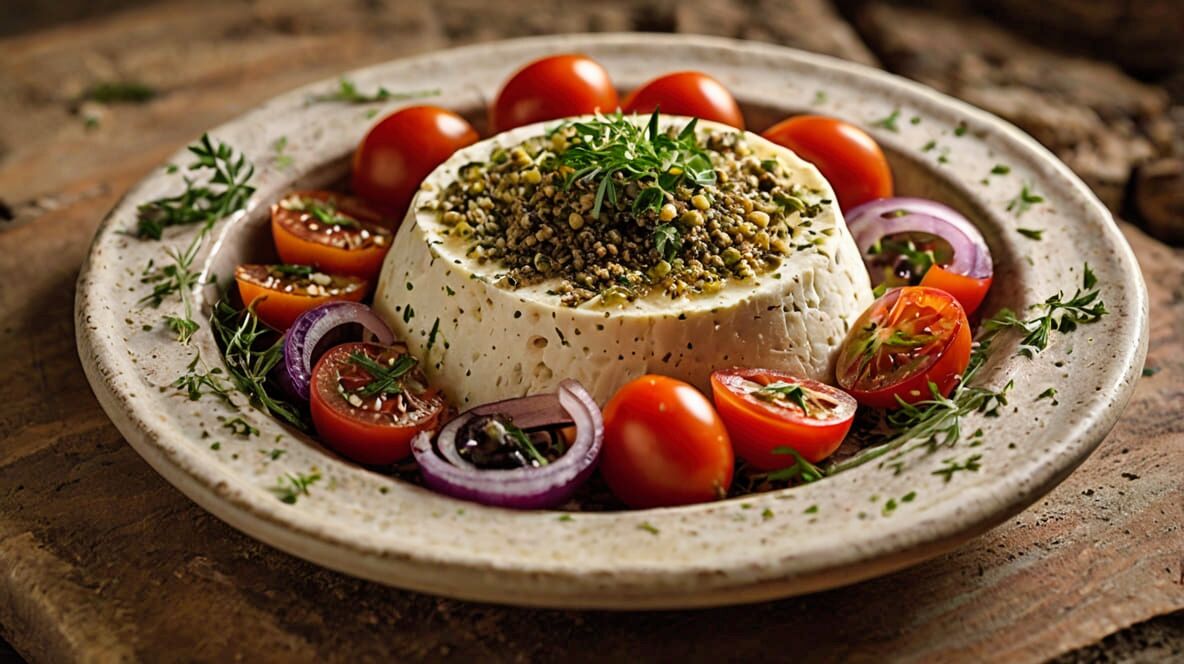
Lebanese Shanklish Recipe
Ingredients
- 8 oz feta cheese
- 1 tsp oregano dried
- ½ tsp chilli powder
- ½ tsp paprika smoked
- ½ red onion chopped
- 2 tomatoes chopped
- olive oil extra virgin and Lebanese bread
Instructions
- Crumble the feta into a medium mixing bowl, breaking it into small, even pieces.
- Sprinkle the oregano, chili, and paprika over the cheese.
- Gently fold everything together until the herbs and spices are evenly distributed, taking care not to mash the feta.
- Transfer the seasoned cheese to a serving plate or shallow dish.
- Evenly scatter the chopped onion over the top.
- Add the chopped tomatoes as the final layer.
- Drizzle the olive oil generously over the entire dish.
- For the best texture and flavor, use a dry, crumbly feta rather than a soft variety.

Recipes are gathered in person and written for real-world cooking conditions.
- 10 Hungarian Dessert Recipes Passed Down Through Generations - July 25, 2026
- 11 Easy English Recipes Anyone Can Make - July 25, 2026
- Hungarian Kifli Recipe - July 25, 2026