

You’ll love how the simple jam roly poly recipe brings warm comfort to any dessert table. I’ll show you an easy suet pastry roll filled with jam that bakes or steams to a soft, fruity pudding you can serve with thick custard. Make this classic British dessert with pantry ingredients and get a tender, jam-filled roll every time.
Jam Roly Poly recipe is all about old-fashioned charm and a bit of kitchen play. I’ll share clear tips for baking with confidence, plus a few quick ideas for changing up the jam or shape if you’re feeling creative. You’ll also get my favorite tricks for keeping leftovers moist and fixing those little mishaps that sometimes pop up with this cozy treat.

Jam Roly Poly Recipe
Key Takeaways
- Try a straightforward method for a reliable jam roly poly recipe.
- Pick up tips to bake with confidence and swap out fillings.
- Find easy storage and reheating ideas to keep it tasty every time.
History And Story Of Jam Roly Poly
I grew up hearing about jam roly poly recipe as the ultimate simple, comforting pudding from Britain. It probably started in the early 1800s, when people needed cheap, filling desserts that didn’t require fancy ingredients. The suet pastry, spread with jam and rolled up, gets steamed or baked—almost like a rustic cousin to the Swiss roll, but a lot heartier.
Homes and schools both kept this dish alive. For so many, the jam roly poly recipe brings back memories of school dinners served with hot custard. I can still picture that scene—steamy pudding, thick yellow custard, and happy, sticky faces.
It’s got a few odd nicknames too: “shirt-sleeve pudding,” “dead man’s arm,” and so on. Those names come from the old habit of boiling the roll in a cloth, which gave it a funny shape and a story to match. Over time, regional cooks tweaked the jam roly poly recipe—some swapped suet for butter, others played with the jam or the cooking method. I love that little changes like these kept it relevant through generations.
If you want to dig into its background, check out this Wikipedia page for the basics and some quirky history.
Tips For Baking With Confidence
Here’s how I approach a jam roly poly recipe: I always read the whole thing before I start. It helps me spot anything that needs prepping ahead, like softening butter or lining a tin. I prefer weighing ingredients—it’s just more reliable than using cups, and my jam roly poly recipe turns out the same each time.
I keep my workspace tidy by measuring ingredients first and clearing space for rolling. It sounds fussy, but honestly, it makes everything smoother. When it comes to pastry fat, traditional jam roly poly recipes use suet, but I sometimes grab cold butter for nearly the same texture. If the dough’s sticky, I pop it in the fridge for a few minutes.
Don’t go wild with the jam. I spread a thin, even layer—too much jam and you’ll get leaks or soggy pastry. I roll the pastry snug but not tight so it cooks through and the jam stays put, with seams tucked underneath for a neater finish. My oven runs hot, so I always use an oven thermometer to avoid burnt edges and underdone centers.
If you’re into a steamed jam roly poly recipe, line your pudding basin and cover it well. Steaming gives you a softer, tender pudding that’s perfect with custard. I like to experiment in small ways—different jam, maybe a bit of lemon zest—so I can learn what I like without risking the whole batch.
For more baking tips, the BBC Good Food guide is pretty handy.

Fun Ways To Make It Your Own
Honestly, I love the classic jam roly poly recipe, but it’s fun to play around. Swapping jam flavors is the easiest way to change things up—strawberry, raspberry, or apricot can each give a totally different feel.
For family-friendly versions, I sometimes add a thin layer of sliced bananas or grated apple under the jam. Kids seem to love the extra fruit, and it adds a little moisture too. Sometimes I stir a pinch of cinnamon or lemon zest into the jam before spreading. That tiny tweak brightens things up and makes the jam roly poly recipe taste just a bit more grown-up.
If I’m in a hurry, I swap the suet pastry for a flaky butter pastry or even ready-made puff pastry. Puff pastry crisps up beautifully while keeping the jam gooey inside. I like to serve jam roly poly recipe warm, with custard, ice cream, or a big spoonful of whipped cream. If I’m feeling fancy, I dust it with icing sugar or pour over warm custard.
When I’ve got a crowd, I roll two smaller logs instead of one big one. They cook more evenly and everyone gets a nice slice. If you want more creative ideas, Delicious Magazine has some fun twists on the classic jam roly poly recipe.
How To Store Leftovers
I wrap slices of jam roly poly recipe tightly in plastic wrap or foil to keep them moist. That stops the pastry from drying out and keeps the jam from leaking into the fridge. For short-term storage, I use an airtight container and chill leftovers in the fridge. They’re good for up to three days, and reheating is simple.
If I want to keep a jam roly poly recipe longer, I wrap the whole thing in plastic and foil, then freeze it. Properly wrapped, it’ll last about two months. I thaw frozen jam roly poly recipe overnight in the fridge before reheating. To reheat, I use a low oven or gentle steam so the pastry softens up without drying out.
Here are a few tricks I use:
- Label everything with the date. Trust me, you’ll forget.
- When microwaving, add a splash of water for steam.
- Cover slices when reheating to trap moisture.
If you want more info on storage and freezing, the Flavor Fleck guide is a solid resource.

Jam Roly Poly Recipe Cooking TIps
Jam Roly Poly Recipe Cooking Tips
• Jam Roly-Poly is known for its soft rolled pastry, sweet jam filling, and comforting old-fashioned flavor.
• Traditional recipes use suet, which creates the characteristic tender pudding texture.
• Self-raising flour helps keep the pastry light and soft.
• The dough should be soft and pliable without becoming sticky.
• Roll the dough evenly into a rectangle for consistent filling and baking.
• Raspberry, strawberry, or blackberry jam are classic filling choices.
• Spread the jam evenly but leave a small border around the edges to reduce leakage.
• Roll the dough tightly to help maintain its shape during cooking.
• Seal the edges well to keep the filling inside.
• Jam Roly-Poly can be baked or steamed depending on the traditional method preferred.
• Avoid overbaking because the pastry may become dry.
• Allow a brief resting period before slicing to help the filling settle.
• Serve warm with custard, cream, or vanilla sauce.
• The flavor should balance soft pastry, sweet fruit jam, and rich comforting warmth.
• Jam Roly-Poly has been a beloved British nursery and school pudding for generations.
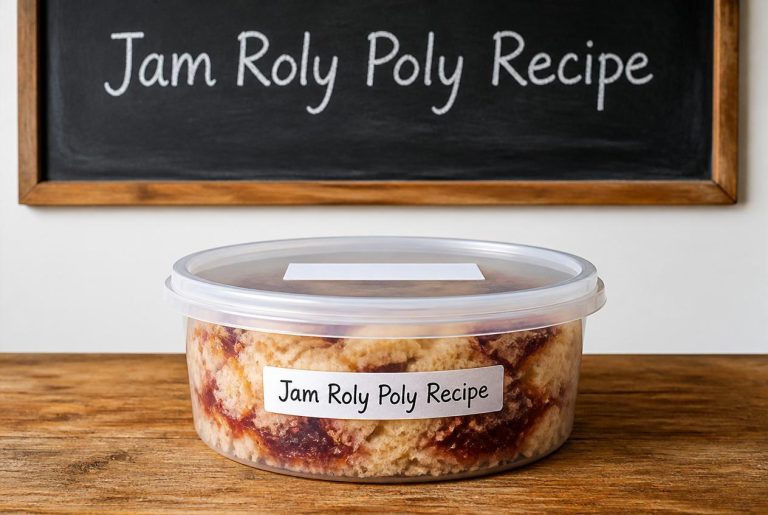
Jam Roly Poly Recipe Storage TIps
Jam Roly Poly Storage Tips
• Allow the pudding to cool before transferring it into storage containers.
• Store refrigerated in airtight containers to preserve freshness.
• Refrigeration may firm the pastry slightly, which is normal.
• Reheat gently in the microwave or oven until warmed through.
• Add custard or cream after reheating rather than before storage.
• Fruit flavors often deepen after overnight refrigeration.
• Freeze portions in airtight freezer-safe containers if desired.
• Wrap individual slices separately before freezing for convenient serving.
• Defrost frozen Jam Roly-Poly gradually in the refrigerator before reheating.
• Use clean utensils when handling leftovers to help maintain freshness.
• Fruit-filled puddings are generally best enjoyed within a shorter refrigerated storage period for ideal quality and flavor.
• Keep away from strongly scented foods because the pastry can absorb odors easily.
• Slight softening of the pastry during storage is normal.
• Discard leftovers if the pudding develops sour odors, mold, fermentation, or unusual texture changes.
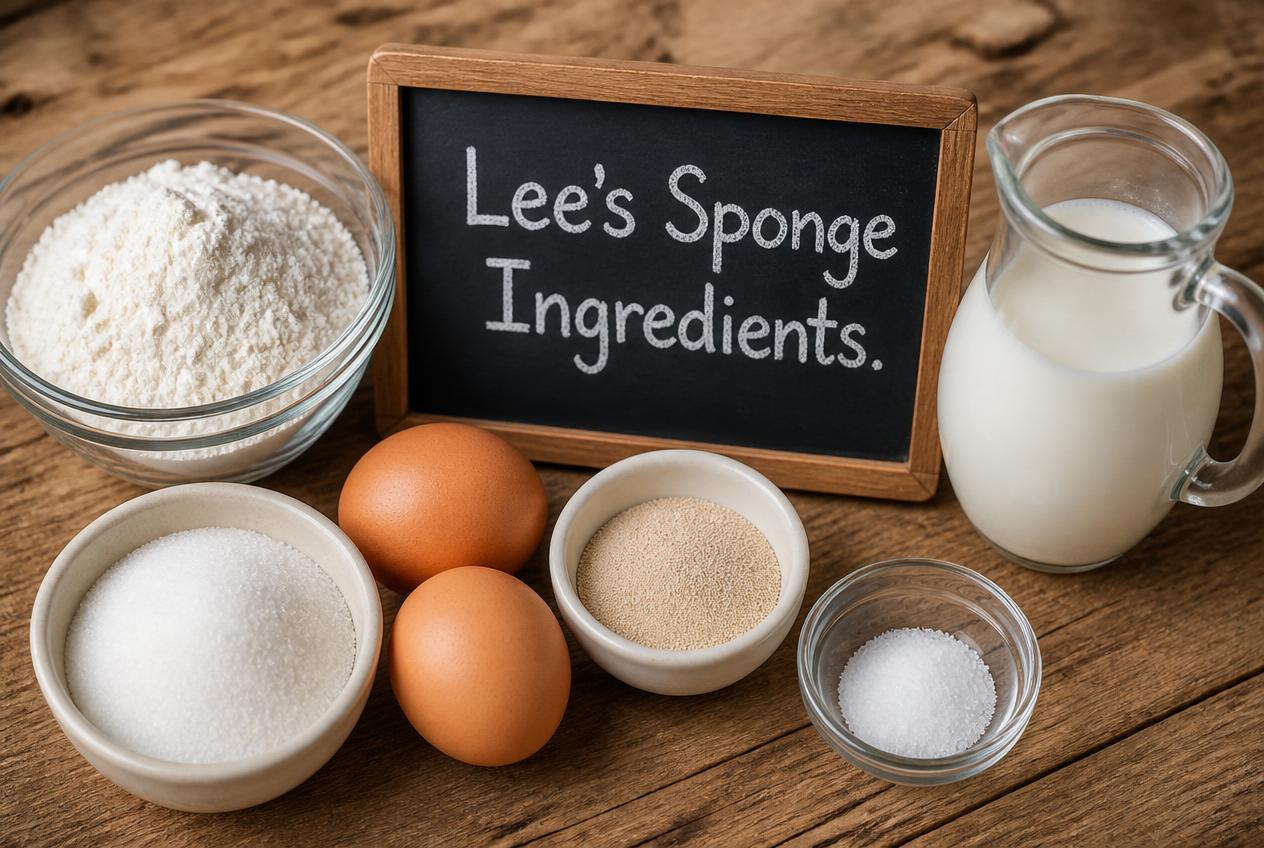
Jam Roly Poly Recipe
Ingredients
- 2 cups Self-raising Flour
- ¼ cup Block Margarine or Butter cold & cubed
- ¼ cup Caster Sugar Superfine Sugar
- ⅓ cup Shredded Suet
- ⅔ cup Milk
- ½ cup Jam (Jelly
Instructions
- Preheat your oven to 350°F. Place a roasting pan containing a few cups of boiling water on the lower rack of the oven. The steam created during baking helps keep the pastry tender and prevents it from drying out while it cooks.
- On a clean work surface, lay out two large sheets of aluminum foil, each about 20 inches long, overlapping them slightly in the center. Place a sheet of parchment paper about 16 inches long on top of the foil. This parchment-and-foil setup will later be used to wrap the Jam Roly Poly into a sealed baking parcel.
- Sift the flour into a large mixing bowl. Add the butter or margarine and, using your fingertips, rub it into the flour until the mixture resembles fine breadcrumbs with no large pieces of fat remaining. This process creates a lighter, more tender pastry.
- Stir in the sugar until evenly distributed. Add the shredded suet and mix thoroughly so it is evenly incorporated throughout the flour mixture.
- Gradually add the milk while stirring continuously. Add only enough milk to bring the mixture together into a soft, slightly sticky dough. Depending on humidity and the flour used, you may not need the entire amount of milk.
- Turn the dough onto a generously floured work surface and gently knead it for a minute or two until smooth. Avoid overworking the dough, as this can make the pastry tougher.
- Using plenty of flour on the work surface, rolling pin, and your hands, roll the dough into a square approximately 10 x 10 inches. If needed, trim the edges to create a neat shape, which will help the roll bake more evenly.
- Spread the jam evenly over the surface of the dough, leaving a ½ to ¾-inch border along one edge. It is easiest if the border is left on the edge farthest from you, as this will become the sealing edge.
- Starting from the edge closest to you, begin rolling the dough toward the uncovered border. The first movement will feel more like folding than rolling, which helps create a tight spiral. Continue rolling carefully until you reach the uncovered edge.
- Brush the exposed border lightly with a little leftover milk, then complete the roll and gently press the seam to seal. This helps keep the filling inside during baking.
- Carefully transfer the rolled pastry onto the prepared parchment paper. A large spatula or palette knife can help support the dough during the move and prevent it from stretching or breaking.
- Bring the parchment paper up and around the roll, followed by the aluminum foil. Fold and crimp the foil securely to create a sealed parcel. Be sure to leave plenty of empty space around the pastry inside the parcel so the dough has room to expand and rise as it bakes.
- Place the wrapped parcel onto a baking sheet or tray for easier handling. Transfer it to the preheated oven and bake for 50 minutes to 1 hour. During baking, the pastry will become tender and the jam filling will heat through, creating the classic soft, comforting texture associated with traditional Jam Roly Poly.
- Once baked, remove the parcel from the oven and carefully open the foil and parchment to release the hot steam. Allow the pudding to cool for a few minutes before handling.
- Slice and serve warm, ideally with custard, cream, or a scoop of vanilla ice cream. The soft suet pastry and sweet jam filling make this a classic British comfort dessert that's especially satisfying when served fresh from the oven.
Jam Roly Poly Frequently Asked Questions
Here’s where I cover the basics: exact ingredients, pastry tips, suet swaps, cooking methods, jam choices, and how to keep that filling tucked inside. If you’ve hit a snag with your jam roly poly recipe, these might help.
What ingredients do I need to make a classic jam roly poly?
I use plain flour, shredded suet (or a substitute), a pinch of salt, a bit of cold water or milk, and jam for the filling. Sometimes I add a spoonful of sugar for a sweeter pastry, and I brush the rolled pastry with egg wash or milk before baking.
How do I make the pastry so it stays soft and doesn’t turn tough?
I handle the dough as little as possible and mix until it just comes together. Keeping ingredients cold, rolling gently, and using only a bit of flour on the work surface helps the jam roly poly recipe stay tender.
Can I make jam roly poly without suet, and what’s the best substitute?
Absolutely. I swap suet with cold grated butter or vegetable shortening at a 1:1 ratio. Finely chopped cold lard works too, or you can use a commercial vegetarian suet for a plant-based jam roly poly recipe.
Is it better to steam or bake it, and how do the results differ?
Steaming gives you a moist, pudding-like jam roly poly recipe with a soft, dense texture. Baking makes it a bit firmer, with a golden crust and more pastry bite. Both are great, so I pick based on my mood.
What’s the best type of jam to use for the filling?
I reach for thick, seedless jams like raspberry, strawberry, or apricot. Thicker jams spread evenly and don’t leak as much, which means a cleaner slice and a better jam roly poly recipe.
For even more tips and variations, the British Food in America site covers the jam roly poly recipe in depth.
How do I stop the jam from leaking out while it cooks?
I always leave a small margin of plain pastry around the edges before rolling—just a little trick I picked up after a few messy attempts at the perfect Jam Roly Poly recipe. Then, I press the seam gently to seal it, making sure it sticks. I set the roll seam-side down in the dish and chill briefly before cooking; that helps the shape set and seems to keep most of the jam inside. If you’re still struggling, check out this classic Jam Roly Poly recipe for more tips. You might also want to peek at Delicious Magazine’s version—they recommend a similar method. Personally, I think the right Jam Roly Poly recipe just takes a bit of practice, and don’t stress if a little jam sneaks out; that’s part of the charm. For more baking hacks, The Guardian’s guide is a good read. And honestly, if you’re after a classic dessert, nothing beats a homemade Jam Roly Poly recipe—well, unless you burn it, but hey, we’ve all been there. If you want to see it in action, check out this YouTube tutorial on a traditional Jam Roly Poly recipe.

Recipes are gathered in person and written for real-world cooking conditions.
- 10 Hungarian Dessert Recipes Passed Down Through Generations - July 25, 2026
- 11 Easy English Recipes Anyone Can Make - July 25, 2026
- Hungarian Kifli Recipe - July 25, 2026