
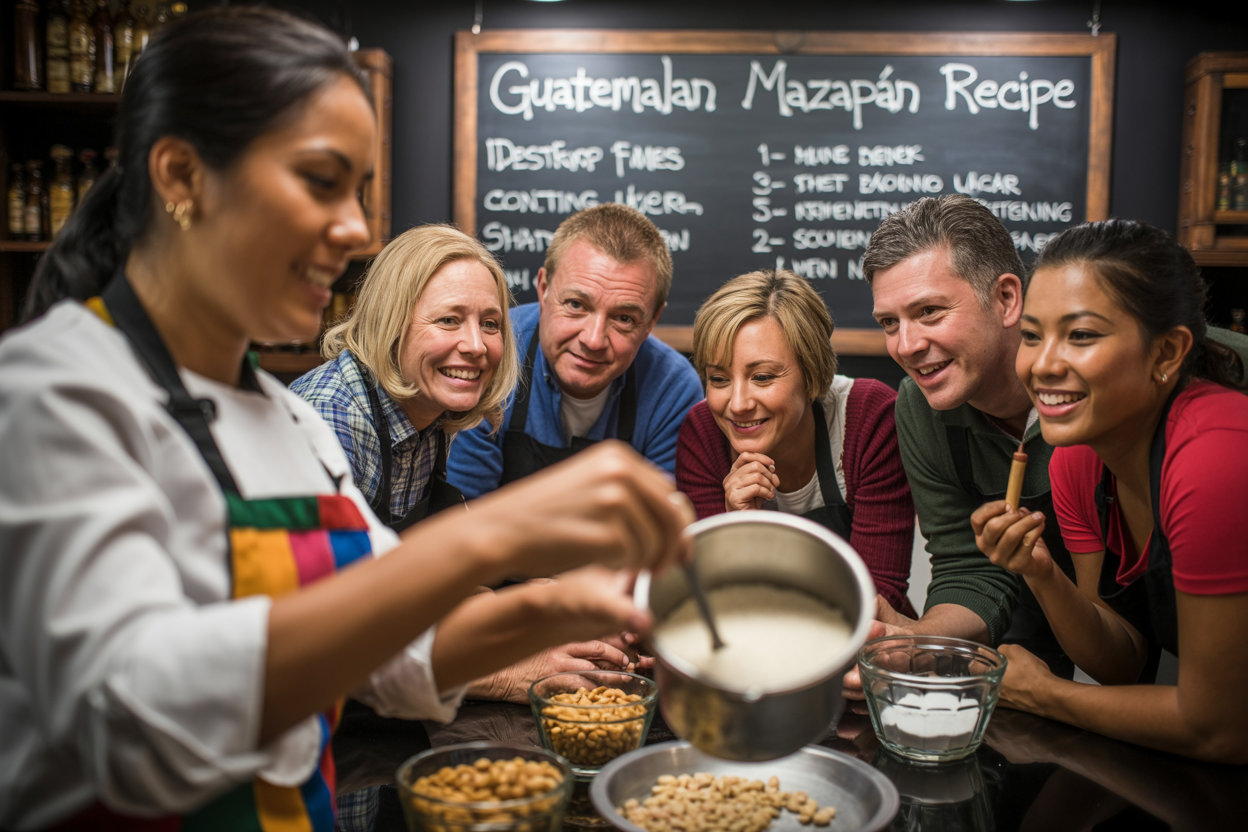
This Guatemalan Mazapan recipe was the focus of my cooking class in Petapa, a lively town near Guatemala City. Petapa is well-known for its strong community, local markets, and parks. The town combines modern amenities with traditional Guatemalan culture.
In cooking class, we learned how to make mazapan, a sweet snack made mainly from ground peanuts and sugar. The teacher mentioned that this recipe is a traditional dish from Guatemala that people like to eat during special events and celebrations. First, we began by roasting the peanuts. Once the peanuts were ground into a powder, we mixed in vanilla and sugar.
The Guatemalan Mazapan recipe gave me the feeling of being easy and using simple ingredients. The preparation process was interactive and interesting, and I could feel the texture of the mixture as we mixed the ingredients together. Shaping the mazapan into small forms was enjoyable and satisfying, and it was clear that the dish could be made into many different shapes.
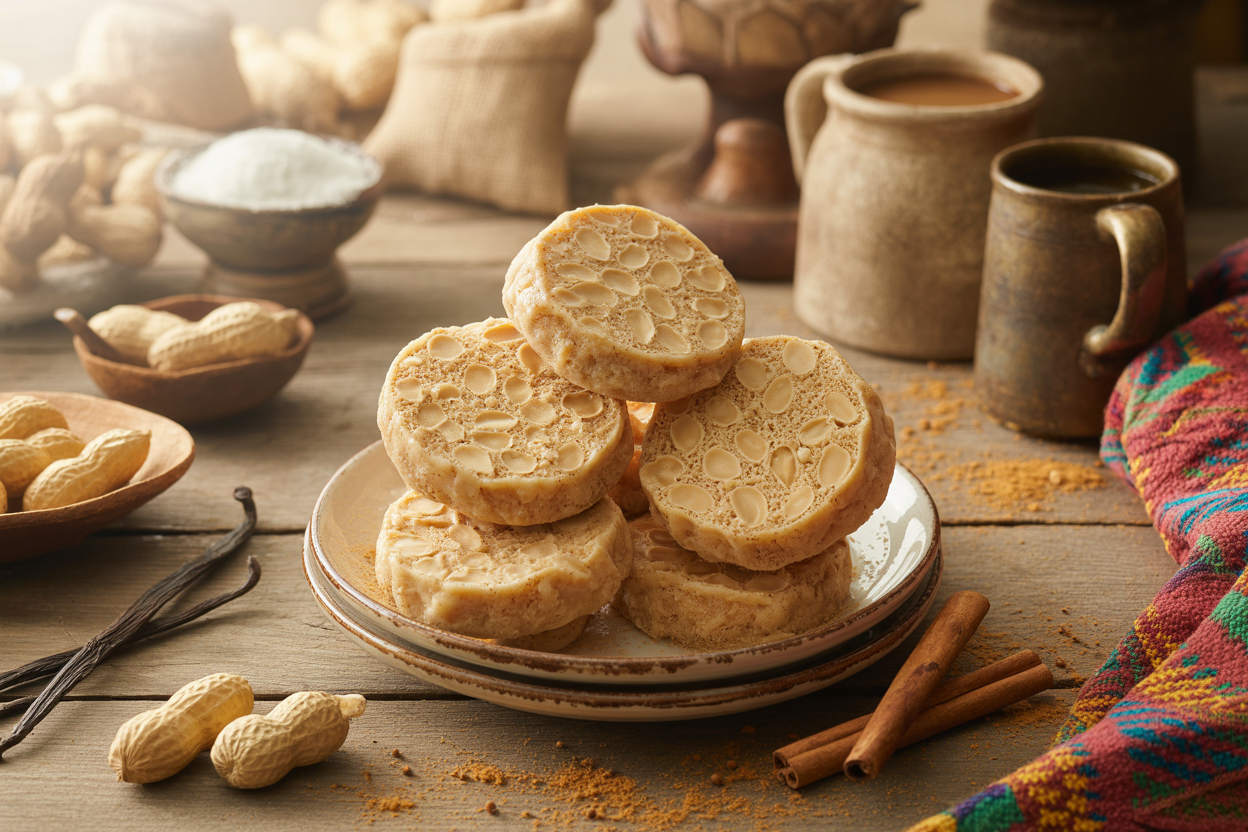
The mazapan was smooth and a little crumbly when it was time to taste it. It had a nutty and sweet flavor with a crunchy texture from the peanuts. Every bite was full of flavor and went nicely with the sweetness. The Guatemalan Mazapan recipe can be enjoyed as a snack or dessert, and it pairs nicely with coffee or hot chocolate.
People in Petapa usually enjoy Guatemalan Mazapan at markets and street stalls. Lots of families prepare mazapan at home during holiday times. This is a popular snack for both adults and kids, providing a simple and fast way to enjoy peanuts. The recipe has been passed down through generations, with different versions of the main ingredients.
After the cooking class, I went to the local market in Petapa and bought fresh fruits and vegetables, some handmade crafts, and mazapan. The vibe of the market allowed us to see how much people enjoyed traditional foods. Local vendors shared with me their everyday experiences and the celebrations they have that include mazapan.
Overall, my time in Petapa was both informative and enjoyable. I discovered how to make a traditional sweet and what the Guatemalan Mazapan recipe means in local culture. This recipe demonstrates how basic ingredients can create a beloved snack. Mazapan is still a traditional part of Guatemalan food, whether it’s served during celebrations or enjoyed as a snack.
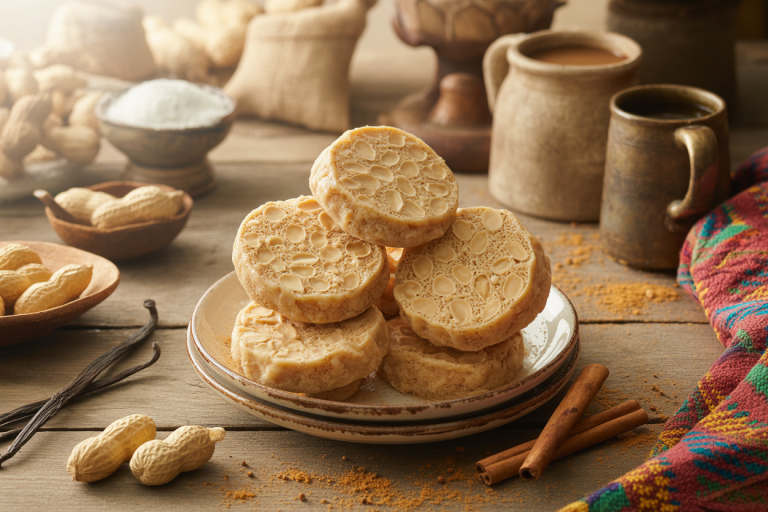
Guatemalan Mazapán Recipe
Finding the Best Food in Guatemala
Finding the best food in Guatemala takes you through the country’s cultural heritage, regional flavors and fresh ingredients. Guatemala’s food scene is based on Mayan and Spanish traditions and produces filling dishes representative of the country’s varied landscapes. For genuine Guatemalan foods, check out local markets, regional specialties or family-owned eateries – every one of that will provide you a genuine flavor of Guatemalan food.
A great starting point is Guatemala City, where the diverse food culture showcases traditional and contemporary options. Local markets such as Mercado Central are full of stalls selling street foods like antojitos (snacks) and tamales. Tamales are corn masa rolled in banana leaves and filled with meats, vegetables and spices; each region has its own version. Street vendors may sell freshly prepared atoles as well as a warm, thickened drink made from corn to start the day. For those looking to sample all the Guatemalan flavors in one meal, Guatemala City also has restaurants serving regional dishes from across the country.
Another excellent place to consume is Antigua Guatemala, a historic city and popular attraction that includes both traditional and contemporary eateries. Here, visitors can enjoy pepian, a thick, aromatic stew that is a national dish, made with meats, roasted vegetables and spices such as pumpkin seeds and sesame. Some restaurants in Antigua prepare pepian and other traditional dishes using traditional methods such as cooking on an open flame or in clay pots. The region also has street foods such as chuchitos, small tamales wrapped in corn husks, so you can grab some local fare while you’re in the city.
Another area with special culinary offerings is Lake Atitlán in the highlands, known for its fresh fish dishes. Here, visitors can enjoy mojarra frita, fried fish seasoned with local herbs and spices, with rice and vegetables. Small towns around the lake, such as Panajachel and Santiago Atitl’n, have restaurants and food stalls offering local cuisine. Many of these eateries use produce around the lake and from local farms to create sustainable, fresh meals that reflect the region’s culinary identity.
For more traditional indigenous fare, the Guatemalan Highlands, particularly areas around Quetzaltenango (Xela), serve a hearty turkey soup with a thick red broth made from tomatoes and chili peppers, a staple dish of the K’iche’ people. Restaurants serve kak’ik prepared from recipes passed down from generation to generation in Xela and nearby villages. This dish, along with other local specialties like jocon (a green tomatillo and cilantro stew) showcases some of the flavors and traditions that make Guatemalan food special.
Finding the best food in Guatemala often means adopting the local culture, sampling regional flavors and visiting markets and eateries where locals congregate. Whether you’ re eating street food in Guatemala City, lake fish at Atitlán or stews in the Highlands, the country’s food culture is accessible and welcoming. This approach to Guatemalan food creates an authentic culinary experience, where each meal opens a window onto the regions, history and people of Guatemala.
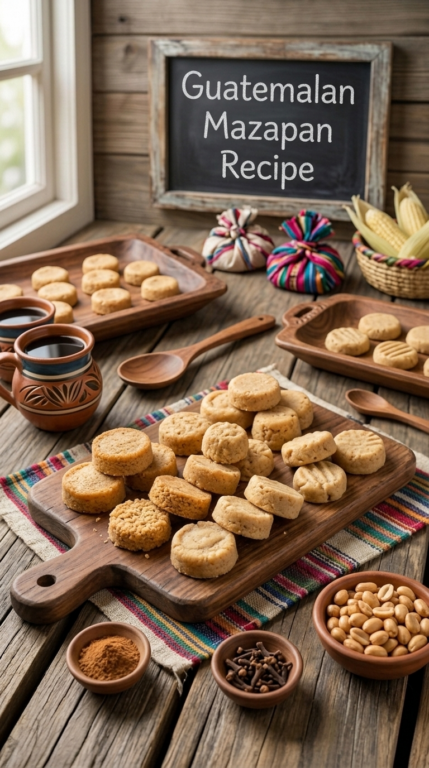
10 Foods Most Eaten by Guatemalan Locals
1. Pepián – A thick, aromatic stew made with chicken, beef, or pork, cooked in a rich sauce of roasted tomatoes, pumpkin seeds, and chili peppers. Pepián is traditionally served with rice and is one of Guatemala’s most cherished dishes.
2. Kak’ik – This turkey soup is spiced with coriander, chili, and achiote, creating a vibrant red color and bold flavor. A UNESCO-recognized dish, Kak’ik is a classic in Mayan cuisine.
3. Tamales – Guatemalan tamales differ from Mexican versions and are typically larger, wrapped in banana leaves, and come in several varieties like *colorados* (red tamales) or *negros* (sweet tamales).
4. Fiambre – A traditional salad prepared during All Saints’ Day, Fiambre is made with over 50 ingredients, including vegetables, meats, cheeses, and sausages, making it a unique and colorful dish.
5. Hilachas – This stew combines shredded beef with potatoes and vegetables in a tomato-based sauce flavored with spices like cilantro and achiote. Hilachas is typically served with rice or corn tortillas.
6. Chiles Rellenos – Guatemalan stuffed peppers are filled with seasoned ground beef, rice, and vegetables, then battered and fried. They’re often served with tomato sauce and are popular in street food markets.
7. Jocon – A green chicken stew made with tomatillos, green tomatoes, and cilantro, Jocon is a flavorful, mild dish usually served with rice.
8. Garnachas – These small, fried tortillas are topped with minced meat, cabbage, and tomato sauce, offering a quick and tasty snack that’s easy to find in markets.
9. Rellenitos – Sweet plantains stuffed with refried black beans and fried to a golden brown, Rellenitos are a favorite dessert or snack, often topped with sugar.
10. Atol de Elote – A warm, sweet corn drink flavored with cinnamon and sugar, Atol de Elote is popular for breakfast or as an afternoon treat, especially during Guatemala’s rainy season.
Ingredients For the Guatemalan Mazapan Recipe
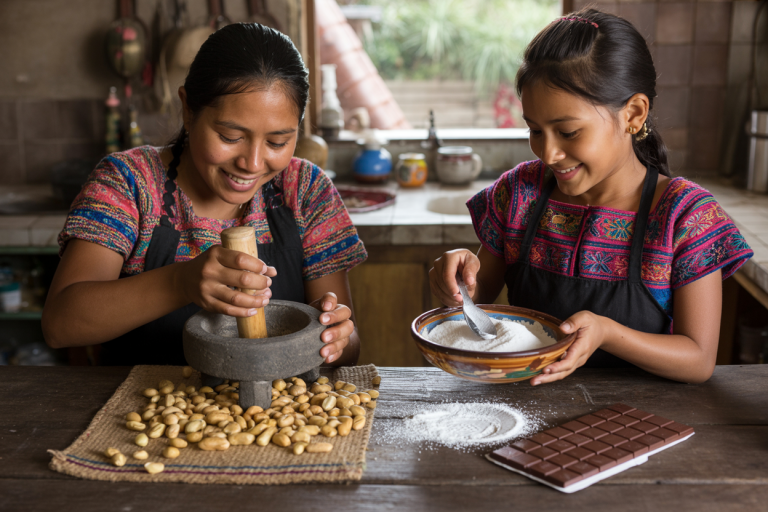
1 ½ cup unsalted, roasted peanuts
1 cup confectioners sugar
1 dark chocolate bar (optional)
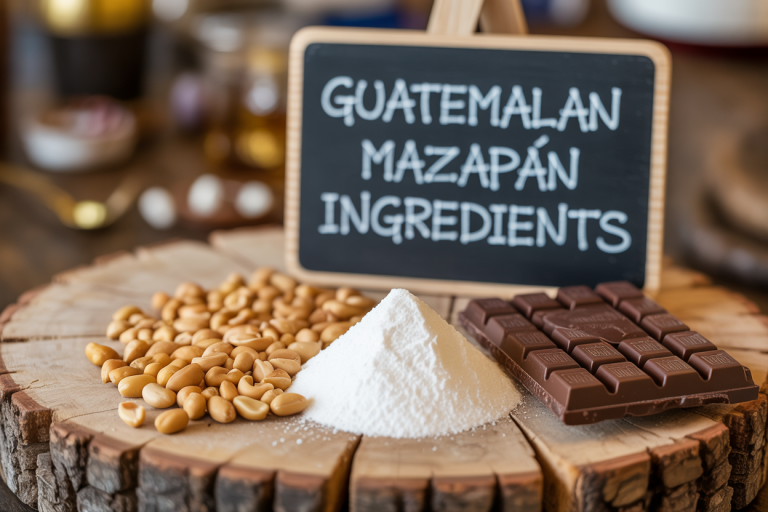
Guatemalan Mazapán Recipe Ingredients
Cooking Instructions For the Guatemalan Mazapan Recipe
Process the peanuts for 2-3 minutes until fine crumbles are created.
Add confectioners sugar to the food processor and process for 4-5 minutes scraping down the sides every minute or so. Check to see if the mixture sticks together when you squeeze it with two fingers.
Pack it into a cookie cutter using your thumb. The tighter you pack the better.
Once round patty is formed, take it out of the cookie cutter by pushing it out from the sides and not the center.
Melt chocolate, drizzle on top or dunk the entire mazapan in fo a fully coated style. Enjoy
Guatemalan Mazapán Recipe Cooking Tips
Guatemalan Mazapán Recipe Cooking Tips
• Mazapán is known for its crumbly texture, nutty flavor, and delicate sweetness.
• Peanuts are the traditional main ingredient and should be freshly roasted for the best flavor.
• Roasting the peanuts deepens their nutty aroma and improves texture.
• Finely ground peanuts create the classic soft crumbly consistency.
• Powdered sugar blends smoothly and helps create the melt-in-your-mouth texture.
• Cinnamon and vanilla add warm traditional flavor.
• Some versions include sesame seeds or milk powder for extra richness.
• The mixture should hold together gently without becoming oily or sticky.
• Press firmly into molds or shapes so the candies keep their form.
• Handle carefully because Mazapán is naturally delicate and crumbly.
• Small portions are traditional because the candy is rich and sweet.
• Serve with coffee, hot chocolate, or milk for classic Guatemalan-style snacks.
• The flavor should balance roasted peanuts, light sweetness, and soft crumbly texture.
• Guatemalan Mazapán is especially popular during holidays, fairs, and bakery treats.
• Freshly roasted peanuts create the best aroma and flavor depth.
Guatemalan Mazapán Recipe Storage Tips
Guatemalan Mazapán Recipe Storage Tips
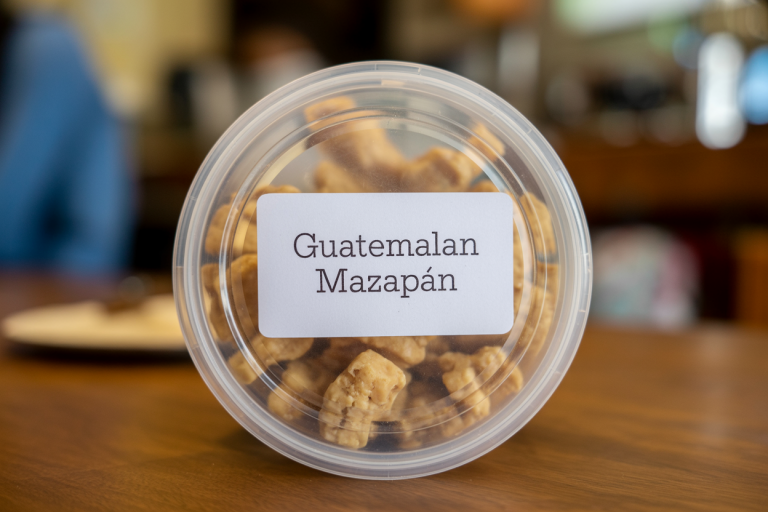
• Store the candies in airtight containers to help maintain freshness and texture.
• Keep away from humidity because moisture softens the crumbly consistency quickly.
• Separate layers with parchment paper to reduce sticking and breakage.
• Room-temperature storage works best for maintaining texture.
• Refrigeration may harden the candies slightly, which is normal.
• Freeze only if necessary using airtight freezer-safe containers.
• Defrost frozen Mazapán gradually at room temperature before serving.
• Peanut and cinnamon flavors often deepen after overnight storage.
• Use clean dry hands or utensils when handling leftovers to help maintain freshness.
• Nut-based candies are generally best enjoyed within a moderate storage period for ideal flavor and texture.
• Keep away from strongly scented foods because peanuts absorb odors easily.
• Slight crumbling during handling is expected because of the delicate texture.
• Discard leftovers if the candy develops rancid odors, mold, or unusual texture changes.
Guatemalan Mazapan Recipe
Ingredients
- 1 ½ cup unsalted roasted peanuts
- 1 cup confectioners sugar
- 1 dark chocolate bar optional
Instructions
- Process the peanuts for 2-3 minutes until fine crumbles are created.
- Add confectioners sugar to the food processor and process for 4-5 minutes scraping down the sides every minute or so. Check to see if the mixture sticks together when you squeeze it with two fingers.
- Pack it into a cookie cutter using your thumb. The tighter you pack the better.
- Once round patty is formed, take it out of the cookie cutter by pushing it out from the sides and not the center.
- Melt chocolate, drizzle on top or dunk the entire mazapan in fo a fully coated style. Enjoy
Notes
FAQ For the Guatemalan Mazapan Recipe
Q: What are the main ingredients for the Guatemalan Mazapan recipe?
A: The Guatemalan Mazapan recipe primarily consists of ground peanuts, sugar, and a touch of cinnamon for flavor. The peanuts are typically roasted to enhance their natural nuttiness before being ground into a fine powder. The sugar is then mixed with the ground peanuts, and sometimes a little water is added to create a dough-like consistency. This mixture is shaped into small round or rectangular pieces, resulting in a deliciously sweet treat that showcases the rich flavor of peanuts, characteristic of Guatemalan desserts.
Q: How is the Guatemalan Mazapan recipe prepared?
A: To prepare the Guatemalan Mazapan recipe, start by roasting the peanuts until golden brown, then allow them to cool. Once cooled, grind the peanuts finely using a food processor or mortar and pestle. Combine the ground peanuts with sugar and cinnamon in a bowl, mixing until well incorporated. If needed, add a small amount of water to help bind the mixture together. Finally, shape the dough into small pieces and let them cool completely before serving or storing, ensuring that the texture is firm yet tender.
Q: What is the best way to store the Guatemalan Mazapan recipe?
A: To store the Guatemalan Mazapan recipe properly, place the finished pieces in an airtight container at room temperature. This helps maintain their texture and prevents them from becoming too hard or stale. For longer storage, you can refrigerate the mazapan, which will extend its shelf life up to two weeks. However, it’s essential to let them come to room temperature before serving to enjoy the best flavor and texture, as refrigeration can alter the consistency slightly.
Q: Can I make variations of the Guatemalan Mazapan recipe?
A: Yes, there are various ways to make variations of the Guatemalan Mazapan recipe to suit different tastes. Some recipes incorporate additional ingredients like cocoa powder for a chocolate flavor or vanilla extract for added depth. You can also experiment with different types of nuts, such as almonds or cashews, to create unique nutty flavors. These variations maintain the traditional essence of mazapan while introducing new dimensions to this beloved Guatemalan sweet treat.
Q: Is the Guatemalan Mazapan recipe suitable for special diets?
A: The Guatemalan Mazapan recipe can be suitable for certain special diets, particularly for those who are gluten-free or vegetarian, as it contains no gluten or animal products. However, it is essential to note that it is high in sugar and calories due to the sugar content. For those following a low-sugar diet, you may consider using natural sweeteners like honey or agave syrup instead of traditional sugar. Always check with your dietary guidelines and preferences to ensure the mazapan meets your needs.

Recipes are gathered in person and written for real-world cooking conditions.
- 10 Hungarian Dessert Recipes Passed Down Through Generations - July 25, 2026
- 11 Easy English Recipes Anyone Can Make - July 25, 2026
- Hungarian Kifli Recipe - July 25, 2026
4 comments
The nutty, crumbly texture of this mazapan was delightful.
I never knew Guatemalan Mazapan could be so easy to make! But seriously, who has time to find the best food in Guatemala when you can just whip up this delicious treat at home? Priorities, people!
I cant believe they didnt mention the secret ingredient for the Guatemalan Mazapan recipe! Its all about that extra kick of flavor. Whos with me on this culinary mystery hunt? 🕵️♂️🌶️
I never knew Guatemalan Mazapan had such a unique recipe! Who would have thought it involves such simple ingredients? Cant wait to try it out and explore more delicious food in Guatemala!
Comments are closed.