
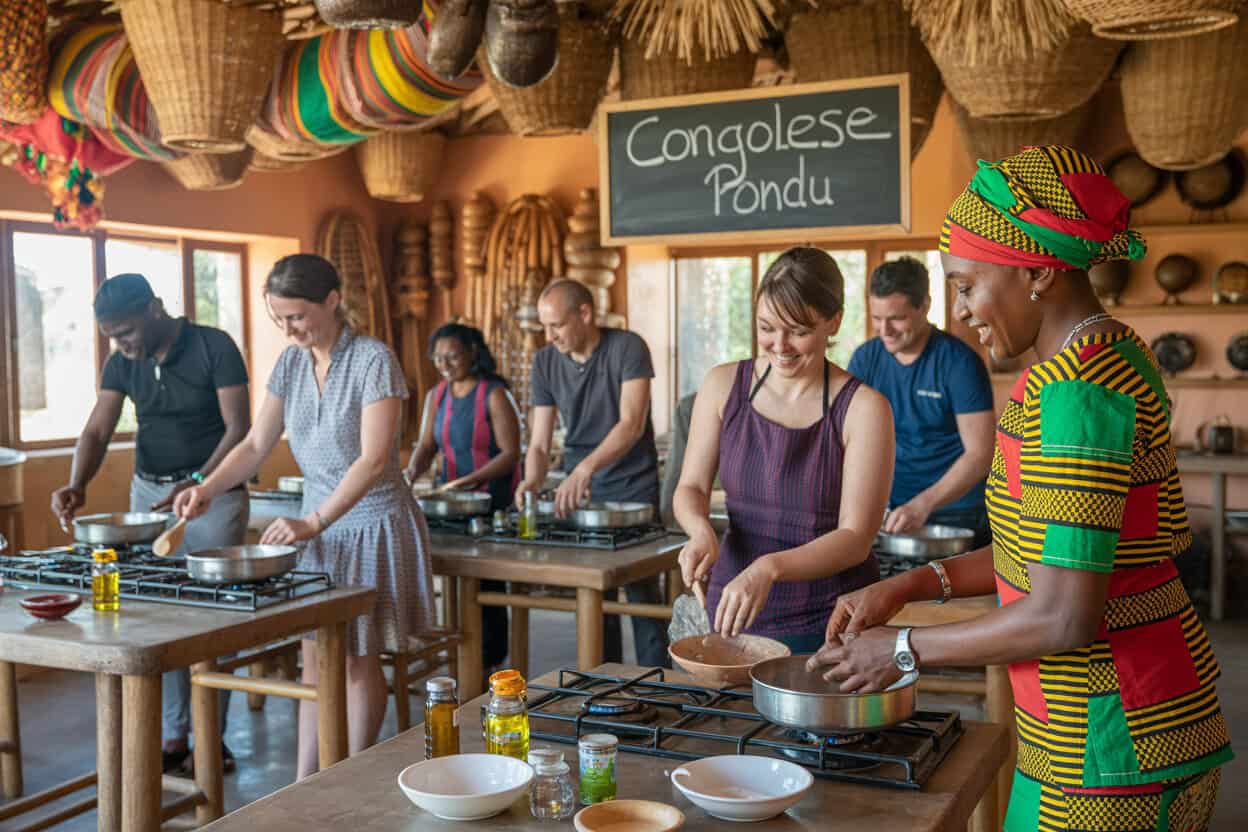
The Congolese Pondu recipe is more than just a meal; it is a tradition that brings families together in Congo. This delicious cassava leaf stew, also known as Mpondu or Saka-Saka, showcases the rich flavors and cultural heritage of Congolese cuisine.
In this blog post, I will share my favorite pondu recipe that captures the essence of this popular dish, making it perfect for both special occasions and everyday gatherings.
The heart of pondu lies in its main ingredient: cassava leaves. These leaves, combined with fish or meat and various spices, create a dish that is hearty and flavorful.
Preparing the Congolese Pondu recipe is often a communal effort, and I love inviting friends and family to join me in chopping, cooking, and enjoying this comforting stew together.
As I walk you through the steps of making the Congolese Pondu recipe, you’ll discover how to create a dish that is not only tasty but also steeped in tradition.
Whether you are familiar with Congolese food or trying it for the first time, this recipe is sure to delight your taste buds and warm your heart.
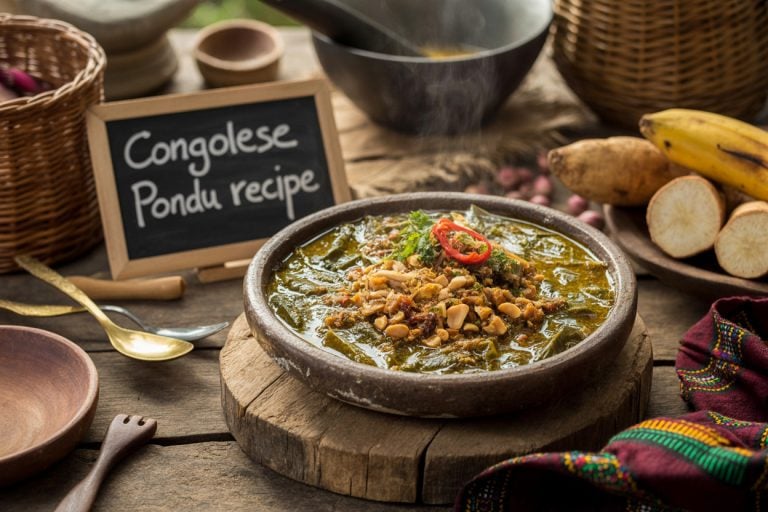
Congolese Pondu Recipe
Why You’ll Love This Congolese Pondu Recipe
I love this Congolese Pondu recipe for many reasons. First, it brings the rich, authentic flavors of Central Africa right into my kitchen.
The mix of cassava leaves, palm oil, and smoked fish creates a hearty and satisfying dish.
The recipe is also very nutritious. Cassava leaves are packed with vitamins and minerals. By adding peanut paste, I introduce a unique nutty flavor that enhances the taste while boosting nutrition.
Preparing the Congolese Pondu recipe is simple and straightforward. I enjoy the process, whether I’m using fresh or frozen cassava leaves.
With just a few common ingredients, I can create a dish that reflects the essence of sub-Saharan Africa.
Serving Pondu alongside staples such as rice or fufu makes it even more enjoyable. It’s perfect for family gatherings or a cozy dinner at home.
Another great aspect is its versatility. I can adjust ingredients based on my preferences. Whether I choose to add more spices or different proteins, each version is delicious.
This Congolese Pondu recipe holds a special connection to the Democratic Republic of the Congo, allowing me to explore its rich culinary heritage through each bite.
I appreciate how this recipe symbolizes the warmth and hospitality of Congolese culture.
What Makes This Congolese Pondu Recipe Special
This Congolese Pondu recipe is special because it highlights cassava leaves, which are rich in nutrients. Cassava leaves provide essential vitamins, minerals, and are especially high in iron and calcium.
I appreciate the health benefits of Pondu. It is loaded with fiber that aids digestion and contains potassium, important for heart health. These qualities make it not only a comforting meal but also a nutritious addition to my diet.
The use of fresh or frozen cassava leaves makes this Congolese Pondu recipe versatile. I can easily prepare it with ingredients I have on hand.
The preparation is a communal experience, often involving family and friends, making it a dish that brings people together.
The rich flavors in this recipe come from onions, tomatoes, and palm oil. These ingredients enhance the taste and create a satisfying sauce to enjoy with fufu or rice. This combination is a beloved part of Congolese cuisine.
In my home, preparing Pondu is more than cooking; it’s about sharing tradition and love. This dish carries with it a sense of community and comfort that is deeply cherished in Congolese culture.
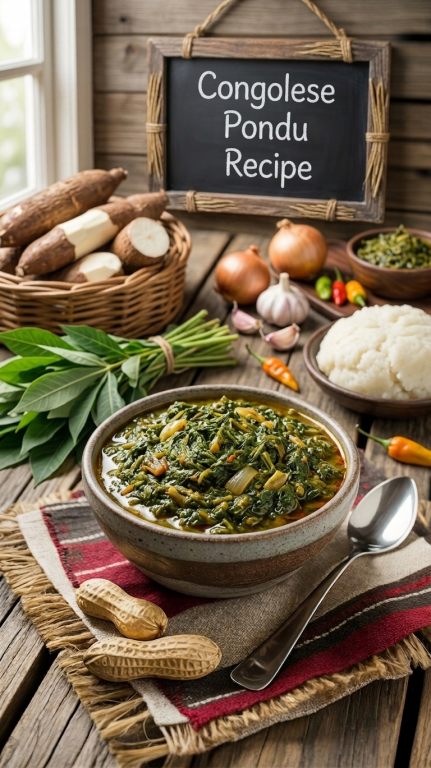
Cooking Equipment Needed
To make Congolese Pondu, I need a few key pieces of equipment. Having the right tools helps to prepare the dish efficiently.
Essential Equipment:
- Large Pot: A sturdy pot is necessary for cooking the cassava leaves and other ingredients together. It should have a lid and be big enough to hold everything.
- Cutting Board and Knife: I use these for chopping the onions, garlic, and any other vegetables or proteins.
- Colander: This is important for rinsing the cassava leaves. If I’m using frozen leaves, it helps to drain any excess water.
- Measuring Cups and Spoons: I measure ingredients like salt and spices to ensure I get the right flavor.
- Wooden Spoon: A wooden spoon is ideal for stirring the mixture while it cooks. It ensures even cooking without scratching the pot.
- Ladle: I find a ladle useful for serving the Pondu. It helps portion out the stew easily.
Having all this equipment ready makes the cooking process smoother. It also enhances my overall cooking experience while making this delicious Congolese Pondu recipe.
Ingredients Needed For The Congolese Pondu Recipe
Cassava Leaf, frozen grounded
Red Palm Oil
Sardines, in tomato sauce
Peanut Butter, or peanuts
Bell Pepper, green
Onion, small
Eggplant
Green Onion
Bouillon Cubes,(Maggie)
Salt
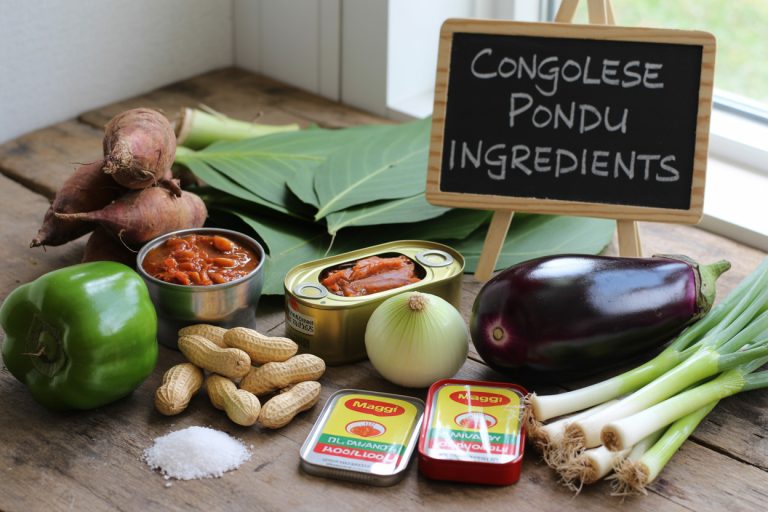
Congolese Pondu Recipe Ingredients
Instructions For Preparing The Congolese Pondu Recipe
Prepare the Vegetables
Blend all vegetables with water into a smooth paste.
Boil the Cassava Leaves
Wash and drain cassava leaves.
Boil with 4 cups of water for 15 minutes.
Cook with Vegetable Paste
Add the vegetable paste and boil uncovered for 25 minutes, stirring occasionally.
Add more water if needed, adjusting boiling time accordingly.
Add Sardines & Seasoning
Drain sardines and add to the pot.
Mix in Bouillon (Maggi) cubes, salt, and palm oil.
Final Cooking & Thickening
Add 2 cups of water and boil for 10 minutes.
Stir in peanut butter or ground peanuts and cook until water evaporates.
Continue boiling and stirring until leaves are soft.
Taste & Serve
Adjust salt if needed and serve when desired consistency is reached.
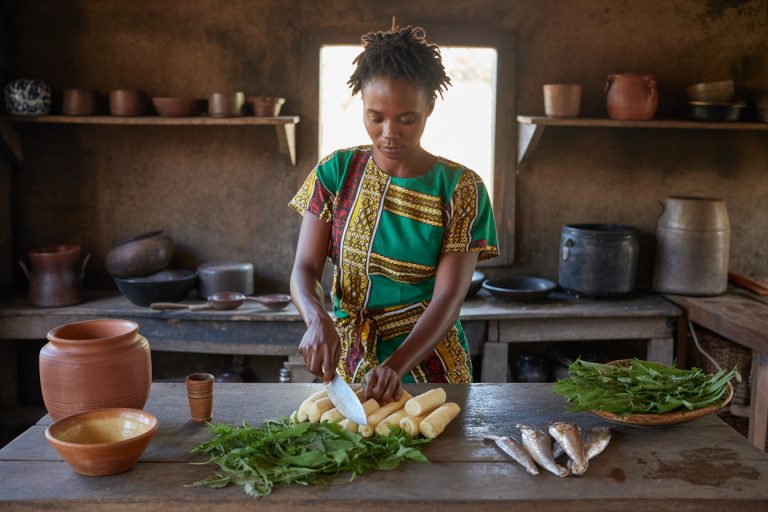
Congolese Pondu Recipe Cooking TIps
Congolese Pondu Recipe Cooking Tips
• Use fresh cassava leaves or properly prepared frozen leaves for authentic flavor and texture.
• Pound or blend the cassava leaves thoroughly so they cook evenly and become tender.
• Palm oil adds traditional Congolese richness and vibrant color to the dish.
• Peanut butter or ground peanuts create the signature creamy consistency.
• Smoked fish, dried shrimp, or meat add savory depth and richness.
• Onions, garlic, tomatoes, and chili peppers build a flavorful base.
• Simmer the cassava leaves slowly so they soften fully and absorb the seasonings.
• Stir frequently after adding peanut butter to prevent sticking or scorching.
• A small amount of broth helps create a smoother and richer sauce.
• Avoid adding too much liquid because pondu should remain thick and hearty.
• Chili peppers can be adjusted depending on preferred spice level.
• Fresh herbs can brighten the final flavor if desired.
• Let the pondu rest briefly before serving so the flavors blend fully together.
• Serve hot with rice, fufu, cassava, plantains, or chikwangue for a traditional meal.
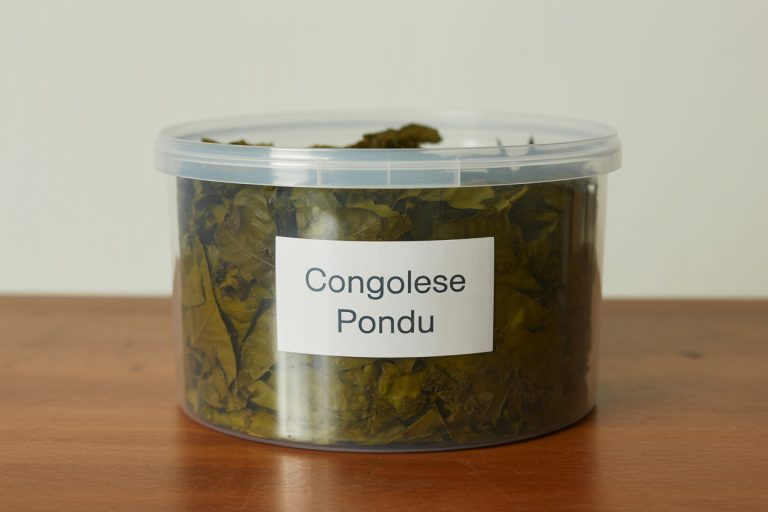
Congolese Pondu Recipe Cooking TIps
Congolese Pondu Recipe Storage Tips
• Allow the dish to cool before transferring it into storage containers.
• Pondu often tastes richer after resting overnight in the refrigerator.
• Store the cassava leaves, sauce, and proteins together to maintain flavor balance.
• Reheat gently over low heat while stirring occasionally.
• Add a small splash of broth or water if the sauce thickens too much after refrigeration.
• Peanut-based sauces may thicken slightly during storage, which is normal.
• Palm oil may separate slightly during refrigeration and can be stirred back in during reheating.
• Store rice, fufu, cassava, plantains, or side dishes separately from the pondu.
• Freeze leftovers in airtight containers for longer storage.
• Leave slight headspace in freezer containers because sauces may expand during freezing.
• Defrost frozen portions gradually in the refrigerator before reheating.
• Smoked fish and chili flavors may deepen after overnight storage.
• Use clean utensils when handling leftovers to help maintain freshness.
• Discard leftovers if the dish develops sour odors, bubbling, mold, or unusual discoloration.
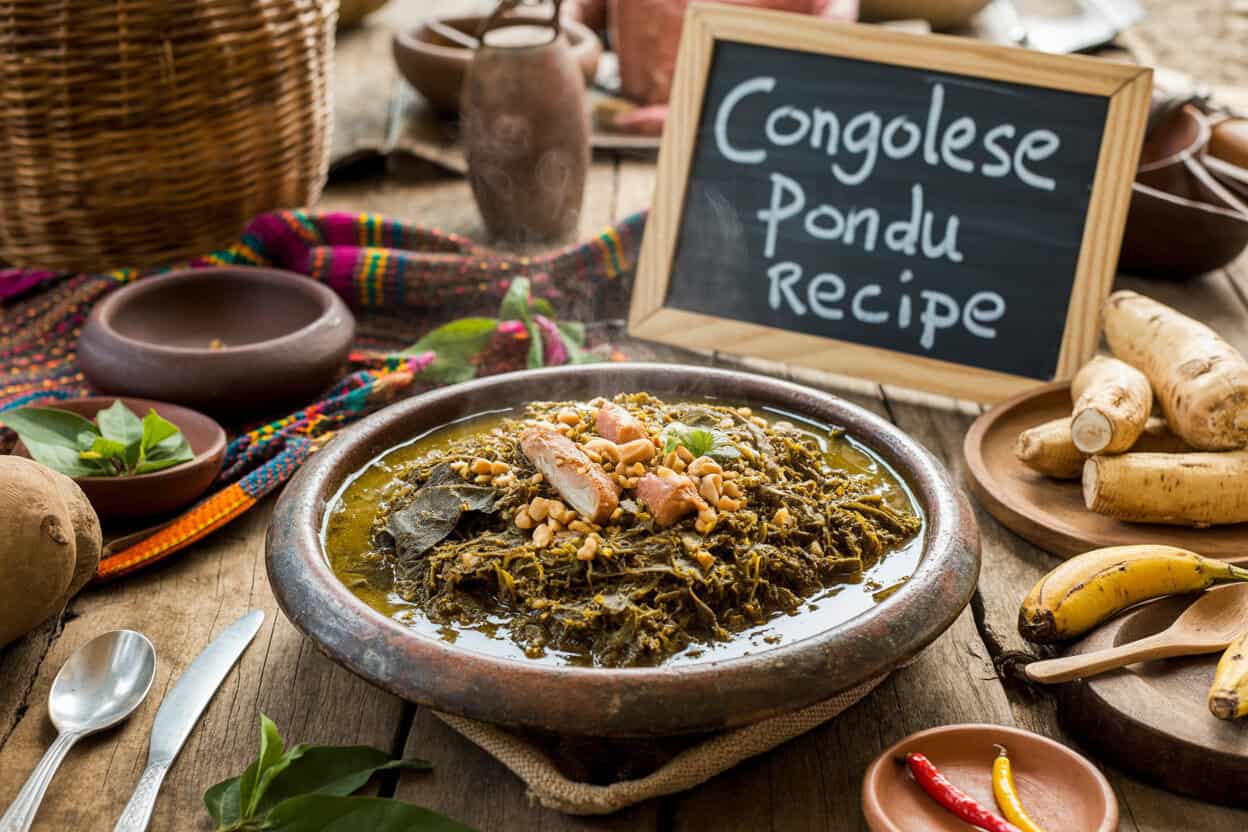
Congolese Pondu Recipe
Ingredients
- 4 24 oz Cassava Leaves frozen, grounded
- 1 cup Palm Oil Red
- 18 ozs Sardines in tomato sauce
- 1/2 cup Peanut Butter or peanuts
- 1 Bell Pepper green
- 1 Onion small
- 1 Eggplant
- 4 Green Onion
- 3 Bouillon Cubes (Maggie)
- 3 tsp Salt
Instructions
- Blend all vegetables with water into a smooth paste.
- Wash and drain cassava leaves.
- Boil with 4 cups of water for 15 minutes.
- Add the vegetable paste and boil uncovered for 25 minutes, stirring occasionally.
- Add more water if needed, adjusting boiling time accordingly.
- Drain sardines and add to the pot.
- Mix in Bouillon (Maggi) cubes, salt, and palm oil.
- Add 2 cups of water and boil for 10 minutes.
- Stir in peanut butter or ground peanuts and cook until water evaporates.
- Continue boiling and stirring until leaves are soft.
- Adjust salt if needed and serve when desired consistency is reached.
FAQs for the Congolese Pondu Recipe
In this section, I will answer some common questions about Congolese Pondu recipe. This includes ingredients, preparation methods, and what to expect when enjoying this traditional dish.
What are the key ingredients for making authentic Congolese Pondu Recipe?
The main ingredient in the Congolese pondu recipe is pounded cassava leaves. Other key ingredients include palm oil, fish or meat, and various vegetables such as eggplants, cucumbers, and onions.
How do you prepare traditional Congolese Pondu Recipe with cassava leaves?
To prepare pondu, I start by simmering the cassava leaves with palm oil and other vegetables. I usually add fish or meat to enhance the flavor. It’s cooked until everything is tender, which creates a rich and tasty stew.
What are some common side dishes to serve with the Congolese Pondu Recipe?
the Congolese Pondu recipe is often served with fufu, a dough-like dish made from cassava, yams, or plantains. Fufu goes well with pondu, providing a soft texture that balances the flavors of the stew.
What distinguishes the Congolese Pondu Recipe as a traditional Congolese food?
Pondu is a staple in Congolese cuisine. It holds cultural significance and is often enjoyed during family gatherings and celebrations, making it more than just a meal.
What flavors should one expect when tasting the Congolese Pondu Recipe for the first time?
When tasting pondu, expect a rich and savory flavor from the palm oil and seasoned ingredients. The dish combines earthy notes from the cassava leaves with the added umami from fish or meat.
How can I make an easy and quick Congolese Pondu Recipe at home?
For a quick pondu, I recommend using frozen cassava leaves. I simply simmer them with palm oil, a can of mackerel, and some chopped vegetables.
This method saves time while still delivering a delicious end result.

Recipes are gathered in person and written for real-world cooking conditions.
- 10 Hungarian Dessert Recipes Passed Down Through Generations - July 25, 2026
- 11 Easy English Recipes Anyone Can Make - July 25, 2026
- Hungarian Kifli Recipe - July 25, 2026
3 comments
I just made pondu for the first time, and I was amazed at how easy yet delicious it was! The cassava leaves blended so well with the peanut butter and palm oil, creating a creamy and well-seasoned dish. My guests couldn’t stop complimenting how rich and flavorful it was, and they all went back for seconds. A must-try recipe!
Im not convinced that this Congolese Pondu recipe is as special as they claim. I mean, is it really worth all the hype? Lets hear some more opinions on this before we jump on the bandwagon!
Im not convinced that this Congolese Pondu recipe is as special as they claim. I mean, sure, it sounds good, but is it really worth all the hype? I think Ill stick to my usual go-to recipes for now.
Comments are closed.