;

20 Traditional UAE Foods to Try

by BdRecipes
Published: Updated: 3 comments
Follow us on PinterestFollow

The UAE foods are from a rich culinary heritage that reflects centuries of Bedouin traditions, coastal living, and cultural influences from across the Middle East, Persia, India, and East Africa. Traditional UAE foods are known for their fragrant spices, slow-cooked meats, fresh seafood, rice dishes, and delicious breads that have long been shared during family gatherings and festive celebrations. Every meal tells the story of a culture built on hospitality, generosity, and a deep appreciation for flavorful home cooking.

One of the defining features of traditional UAE foods is the skillful use of aromatic spices such as saffron, cardamom, cinnamon, turmeric, cumin, and cloves. These spices add warmth and depth to classic dishes made with lamb, chicken, fish, rice, dates, and fresh herbs. Whether you’re enjoying a hearty serving of machboos, a comforting bowl of harees, or a sweet dessert flavored with rose water and saffron, traditional UAE foods offer a wonderful balance of savory, sweet, and fragrant flavors.

Many traditional UAE foods are surprisingly easy to prepare at home. While some recipes are slow-cooked to develop their signature taste, the cooking techniques themselves are straightforward and rely on ingredients that are increasingly available in supermarkets and international grocery stores. These recipes allow home cooks to experience authentic Emirati flavors without complicated preparation.

In this collection of 20 Traditional UAE Foods to Try, you’ll discover a delicious variety of recipes that showcase the best of Emirati cuisine. From hearty rice dishes and flavorful stews to fresh seafood, traditional breads, and irresistible desserts, these carefully selected traditional UAE foods bring the warmth, history, and unforgettable flavors of the Emirates straight to your kitchen.
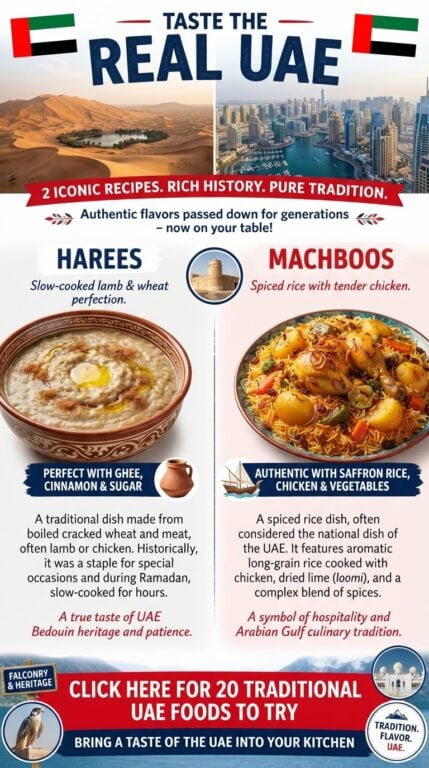
UAE food

The History Behind Traditional UAE Food

Traditional UAE food reflects centuries of Bedouin heritage, coastal living, and the country’s position as an important crossroads for trade. Long before the United Arab Emirates became a modern nation, families relied on simple, nourishing ingredients that could withstand the harsh desert climate. Dates, camel and goat milk, wheat, rice, and locally raised livestock formed the foundation of everyday meals, while fishing communities along the Arabian Gulf depended on fresh seafood for much of their diet.

The UAE’s location along historic trade routes introduced valuable spices from India, Persia, and East Africa. Cardamom, saffron, cinnamon, turmeric, cloves, and dried limes became essential ingredients, giving traditional Emirati dishes their warm, aromatic flavors. Rice eventually became a staple, often paired with lamb, chicken, fish, or slow-cooked stews seasoned with fragrant spice blends.

Hospitality has always been central to Emirati culture, and sharing generous meals with family and guests remains an important tradition. Many recipes are still prepared for religious holidays, weddings, and community celebrations, preserving cooking methods that have been passed down through generations.

Today, traditional UAE food beautifully combines its Bedouin roots with centuries of cultural influences. From fragrant rice dishes and slow-cooked meats to fresh seafood, breads, and sweet desserts, these classic recipes offer a flavorful glimpse into the rich culinary heritage of the United Arab Emirates.


20 Traditional Emirati Recipes “Simply Delicious”
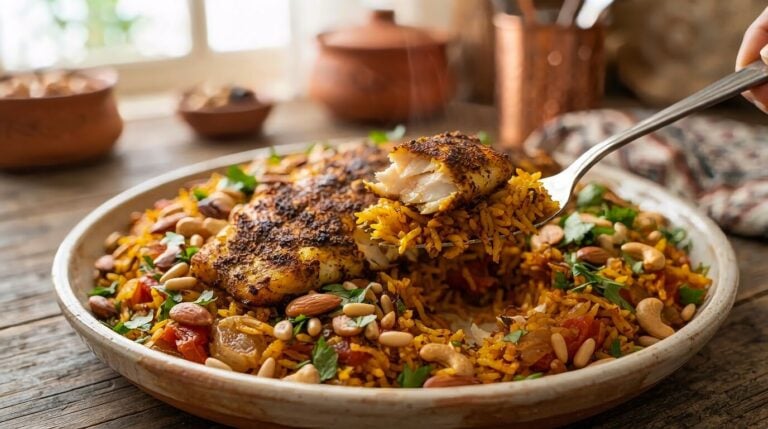


1. UAE Fish Machboos Recipe

1. UAE Fish Machboos Recipe

UAE Fish Machboos is one of the Emirates’ signature rice dishes, combining fragrant long-grain rice with perfectly seasoned fish and a blend of traditional Gulf spices. As a nation with a long coastline along the Arabian Gulf, seafood has always played an important role in Emirati cuisine, making Fish Machboos a classic family favorite enjoyed for both everyday meals and special occasions.

Firm white fish is typically seasoned with spices such as turmeric, cumin, cinnamon, cardamom, black pepper, and the traditional Emirati Bzar spice blend. The fish is cooked separately before being layered with aromatic rice that has absorbed a flavorful broth infused with onions, tomatoes, garlic, and dried lime. The dried lime adds a gentle citrus tang that is one of the defining characteristics of authentic Machboos.

The rice remains light and fluffy while carrying the rich aromas of the spices and seafood. Garnishes such as toasted nuts, raisins, or fresh herbs may be added for extra texture and color, depending on family tradition.

UAE food is often served as the centerpiece of a communal meal alongside salads, yogurt, pickles, and warm flatbread. Rich in history and coastal heritage, this satisfying dish captures the balance of bold spices and fresh seafood that has made Emirati cooking beloved throughout the Gulf region.
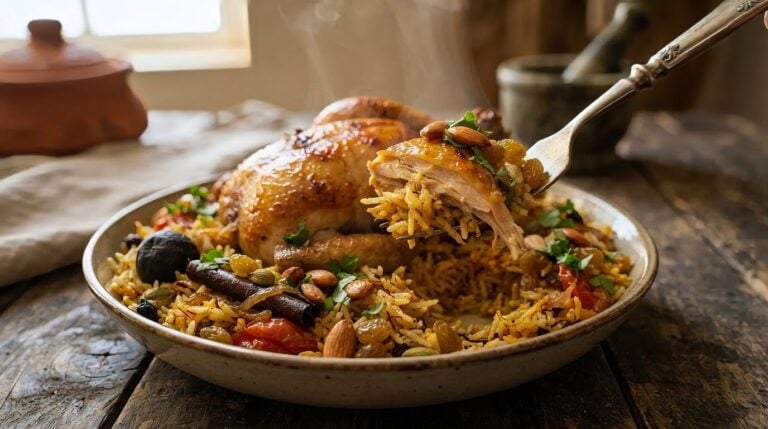
2. UAE Chicken Majboos Recipe

2. UAE Chicken Majboos Recipe

UAE Chicken Majboos is one of the most iconic dishes in Emirati cuisine, celebrated for its fragrant rice, tender chicken, and beautifully layered spices. Also spelled Machboos, this traditional one-pot meal is commonly prepared for family dinners, holiday celebrations, and gatherings where sharing food is an important expression of hospitality.

The chicken is slowly simmered with onions, tomatoes, garlic, and an aromatic blend of spices that often includes cardamom, cinnamon, cloves, cumin, turmeric, and black pepper. Dried lime is a defining ingredient, lending a subtle citrus flavor that distinguishes Majboos from many other rice dishes found throughout the Middle East.

Once the chicken is cooked, rice is added to the flavorful broth where it absorbs every layer of seasoning while remaining fluffy and separate. The finished meal is often garnished with toasted nuts, raisins, or fresh herbs that provide both visual appeal and contrasting textures.

Chicken Majboos is typically accompanied by fresh salad, yogurt, spicy sauces, or pickled vegetables, creating a balanced meal with a variety of flavors. Rich yet comforting, UAE UAE food perfectly represents Emirati home cooking, where simple ingredients are transformed into an elegant dish through careful seasoning and slow, patient preparation.
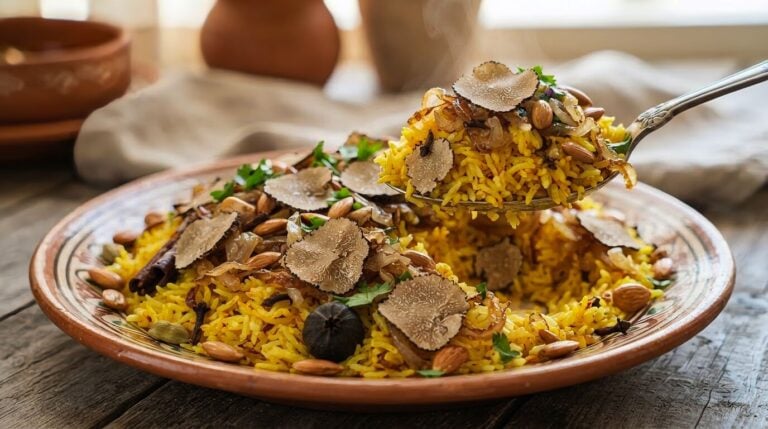
3. UAE Machboos with Desert Truffles Recipe

3. UAE Machboos with Desert Truffles Recipe

UAE Machboos with Desert Truffles is a luxurious variation of the classic Emirati rice dish that celebrates one of the Arabian Peninsula’s most prized seasonal ingredients. Desert truffles, locally harvested after seasonal rains, have been treasured for centuries and are considered a delicacy throughout the Gulf. Their earthy flavor brings an elegant twist to the familiar comfort of traditional Machboos.

Fragrant rice is prepared with onions, tomatoes, garlic, dried lime, and a carefully balanced blend of Emirati spices including cinnamon, cardamom, cumin, and black pepper. Tender pieces of lamb or chicken are often included, while slices of desert truffle are added during the final stages of cooking so they retain their distinctive aroma and delicate texture.

Unlike European forest truffles, desert truffles have a milder, nutty flavor that complements rather than overwhelms the rice and meat. Their subtle earthiness pairs beautifully with the warm spices that define Emirati cuisine.

Because desert truffles are seasonal, this dish is especially appreciated when they become available. UAE food is often reserved for special occasions or memorable family meals, offering a wonderful example of how local ingredients and centuries-old traditions combine to create one of the Gulf’s most distinctive culinary experiences.
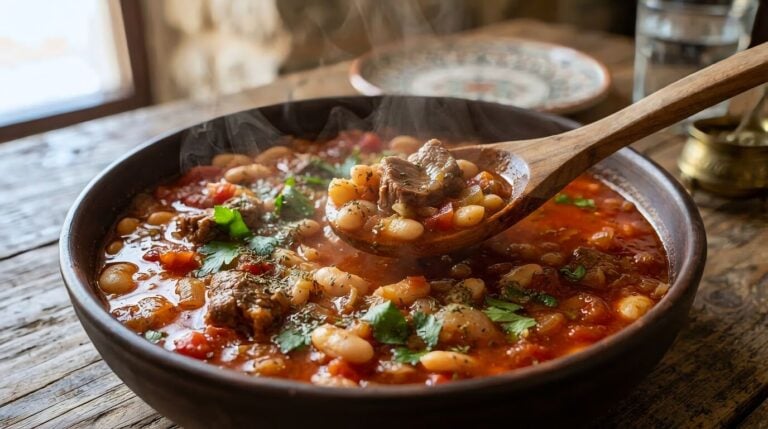
4. UAE Assyrian Bean Stew with Lamb Recipe

4. UAE Assyrian Bean Stew With Lamb Recipe

UAE Assyrian Bean Stew with Lamb reflects the diverse culinary influences that have become part of the Emirates through generations of migration and cultural exchange. Combining tender lamb with creamy beans in a richly seasoned tomato-based broth, this hearty stew is a comforting meal that fits naturally alongside many traditional Gulf dining tables.

The lamb is slowly simmered until exceptionally tender, allowing it to release its rich flavor into the broth. White beans or other hearty legumes add substance while absorbing the savory seasonings. Tomatoes, onions, garlic, and herbs create a well-balanced base, while spices such as cumin, coriander, cinnamon, and black pepper contribute warmth and depth.

Long, gentle cooking transforms the ingredients into a thick, satisfying stew with layers of flavor that continue to develop as it simmers. The result is both nourishing and filling, making it especially popular during cooler weather or family gatherings.

Assyrian Bean Stew with Lamb is commonly served alongside steamed rice, crusty bread, or warm flatbread that can soak up the flavorful broth. Combining UAE food traditions with comforting home-style cooking, this recipe demonstrates the multicultural food heritage that enriches modern Emirati cuisine while remaining rooted in timeless ingredients and slow-cooked flavors.
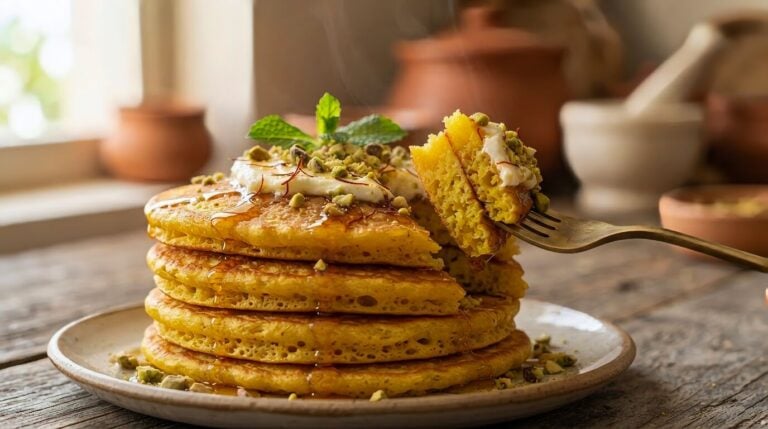
5. UAE Chebab Recipe with Saffron

5. UAE Chebab Recipe with Saffron Recipe

UAE Chebab with Saffron is a beloved Emirati breakfast featuring soft, slightly yeasted pancakes infused with the warm aromas of saffron and cardamom. Unlike traditional Western pancakes, Chebab has a delicate tang from the fermented batter and a light, airy texture that makes it uniquely satisfying. It is commonly enjoyed during breakfast, weekend family gatherings, and Ramadan mornings.

Saffron gives the pancakes their characteristic golden color and subtle floral fragrance, while cardamom contributes gentle warmth. Once cooked, the pancakes are often served with date syrup, honey, or a generous spread of creamy cheese, creating a delicious balance of sweet and savory flavors that has long been a hallmark of Emirati breakfasts.

Chebab is typically paired with Arabic coffee or hot tea, making it an inviting way to begin the day. Although the ingredients are simple, the combination of aromatic spices and soft texture creates a memorable dish that reflects the flavors of the Arabian Gulf.

Many families have their own treasured recipes, with slight differences in sweetness or spice levels passed down through generations. UAE Chebab with Saffron remains one of the country’s most cherished breakfast specialties, offering a warm, comforting introduction to traditional Emirati hospitality and the rich culinary heritage of the United Arab Emirates.
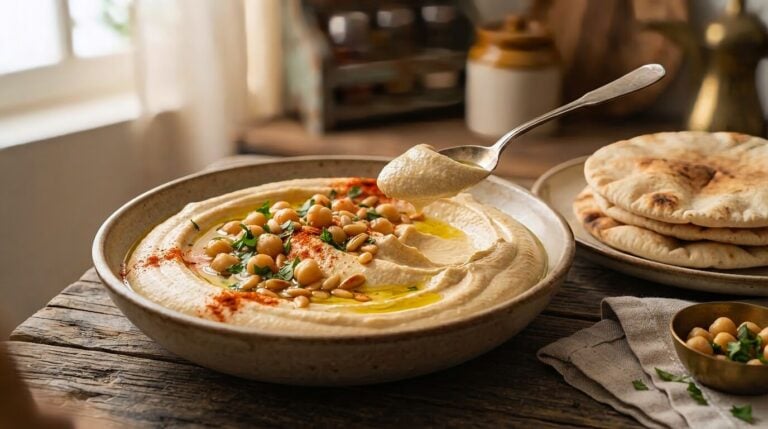
6. UAE Hummus Recipe

6. UAE Hummus Recipe

UAE Hummus is a smooth and creamy chickpea dip commonly served as part of breakfast, lunch, dinner, or a generous spread of Middle Eastern appetizers. Although hummus is enjoyed throughout the region, it has become firmly established in everyday dining across the United Arab Emirates. Restaurants and home kitchens often place it at the center of the table with warm Arabic bread for scooping and sharing.
Cooked chickpeas provide the hearty base, while tahini contributes a nutty richness and velvety consistency. Fresh lemon juice brightens the mixture, garlic adds a savory edge, and olive oil brings everything together. The ingredients are blended until exceptionally smooth, creating a dip that tastes rich without feeling overly heavy.

Presentation is part of the appeal. UAE Hummus may be finished with a swirl of olive oil, whole chickpeas, paprika, parsley, or toasted pine nuts. Some versions are topped with spiced meat, transforming the familiar dip into a more substantial dish.

Hummus pairs easily with grilled lamb, chicken kebabs, falafel, fresh vegetables, and crisp salads. Its mild flavor also balances strongly seasoned foods and spicy sauces. Simple, nourishing, and endlessly versatile, UAE food represents the welcoming style of dining found across the Emirates, where several dishes are placed together and enjoyed communally.

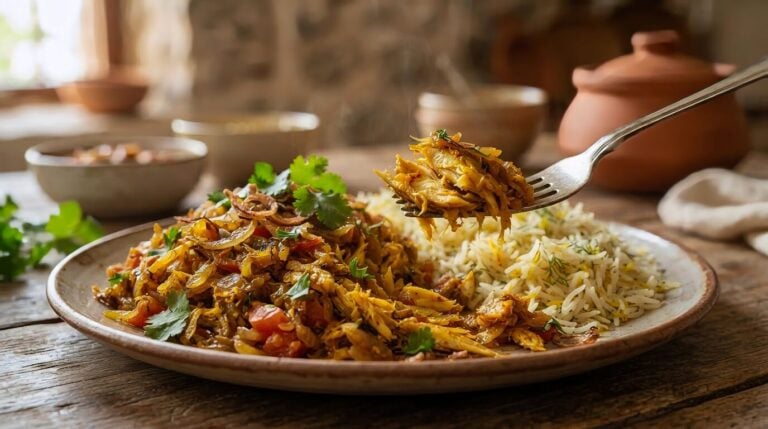
7. UAE Mopla Kozhi Biriyani Recipe

7. UAE Mopla Kozhi Biriyani Recipe

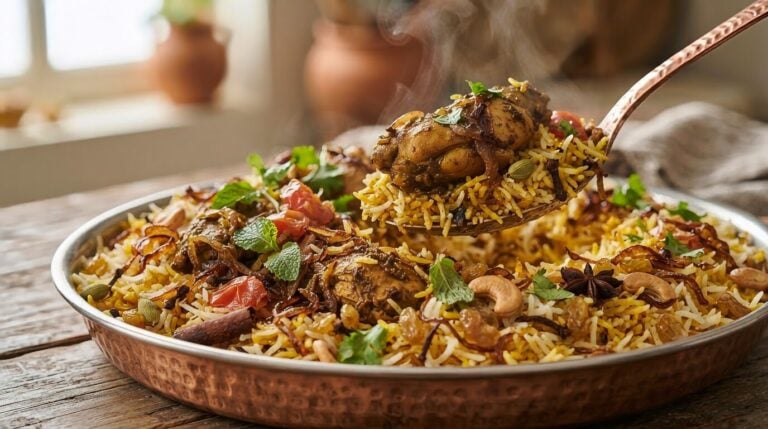
UAE Mopla Kozhi Biriyani reflects the strong culinary connections between the Emirates and Kerala’s Malabar Coast. Brought to the Gulf through generations of trade, migration, and cultural exchange, this fragrant chicken-and-rice dish has become a familiar favorite in homes and restaurants throughout the UAE. “Kozhi” means chicken, while the Mopla or Mappila cooking tradition is known for combining aromatic spices with richly layered flavors.

The dish features tender chicken seasoned with ingredients such as ginger, garlic, chilies, turmeric, and garam masala. Partially cooked rice is layered with the chicken mixture so the grains can absorb the savory juices and spice-filled aromas as everything finishes cooking together.

Fried onions, fresh herbs, raisins, cashews, and ghee may be added between the layers, giving the biriyani contrasting notes of sweetness, nuttiness, and richness. The finished rice remains fluffy and separate, while the chicken becomes moist and deeply seasoned.

Mopla Kozhi Biriyani is often served for Friday lunches, family gatherings, weddings, and festive occasions. Cooling raita, pickles, salad, or papadum make excellent accompaniments. With its colorful appearance and inviting aroma, UAE Mopla Kozhi Biriyani demonstrates how the Emirates’ multicultural population has helped shape a UAE food culture filled with dishes from across the Indian Ocean.

8. UAE Dejaaj Murragg Recipe

8. UAE Dejaaj Murragg Recipe

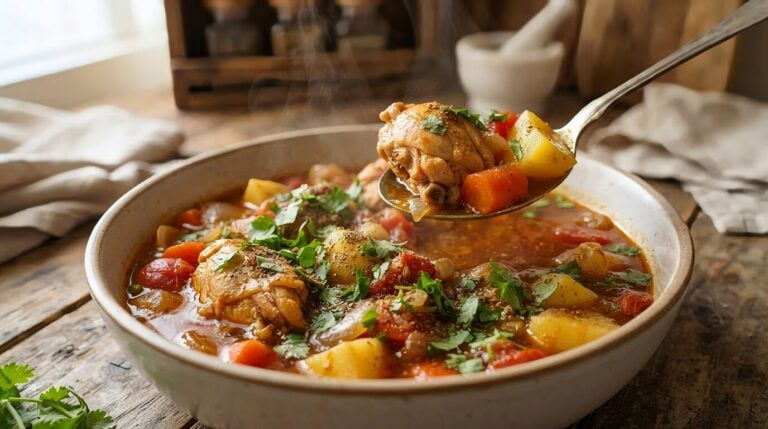
UAE Dejaaj Murragg is a traditional Emirati chicken stew filled with tender vegetables, tomatoes, and the warming spices associated with Arabian Gulf cooking. The word “dejaaj” refers to chicken, while “murragg” describes the flavorful stew or broth in which the ingredients are slowly cooked. It is a homestyle meal designed to be nourishing, practical, and easy to share.

Chicken pieces are simmered with onions, garlic, tomatoes, and vegetables such as potatoes, carrots, zucchini, or squash. The exact combination may change according to the season or what a family has available. Emirati Bzar spice, turmeric, black pepper, cardamom, and dried lime can give the broth its warm color and distinctive savory-citrus character.

As the stew cooks, the vegetables soften and the chicken releases flavor into the sauce. The resulting broth is rich enough to accompany rice but still light enough to enjoy as part of a larger meal. Some families serve Dejaaj Murragg with flatbread, allowing the bread to absorb every bit of the seasoned liquid.

Comforting rather than elaborate, this dish offers a glimpse into everyday UAE food choice. UAE Dejaaj Murragg is especially appealing when a wholesome one-pot meal is needed, combining protein, vegetables, and aromatic spices in a satisfying stew suitable for the entire family.

9. UAE Mutton Karahi and Lamb Karahi Recipe

9. UAE Mutton Karahi & Lamb Karahi Recipe

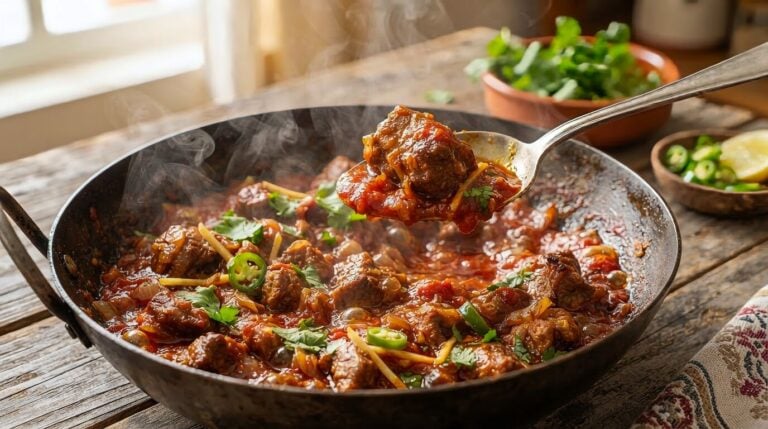
UAE Mutton Karahi and Lamb Karahi are bold, tomato-rich meat dishes commonly found in the Emirates’ Pakistani, Indian, and Afghan restaurants. Their popularity reflects the UAE’s multicultural dining scene, where South Asian dishes have become part of everyday food culture. Named after the deep, round cooking pan used to prepare them, Karahi dishes are known for intense flavors, tender meat, and a thick sauce rather than a large amount of broth.

Mutton or lamb is cooked with fresh tomatoes, ginger, garlic, chilies, and fragrant spices. As the mixture reduces, the tomatoes break down and cling to the meat, creating a concentrated sauce with plenty of savory depth. Fresh ginger strips, cilantro, and sliced green chilies are often added near the end for brightness and a lively finish.

Lamb Karahi generally has a tender texture and mild richness, while mutton may require longer cooking and provides a deeper, more robust flavor. Both versions can be adjusted from gently spiced to fiery hot.

This satisfying meal is traditionally served directly from the Karahi pan with naan, roti, or chapati. UAE Mutton Karahi and Lamb Karahi are excellent UAE food choices for communal dining, inviting everyone at the table to tear off pieces of bread and scoop up the flavorful meat and sauce.

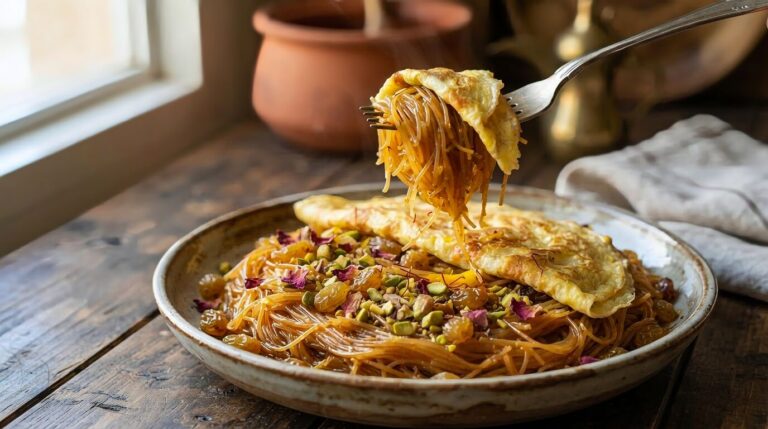
10. UAE Balaleet Recipe

10. UAE Balaleet Recipe

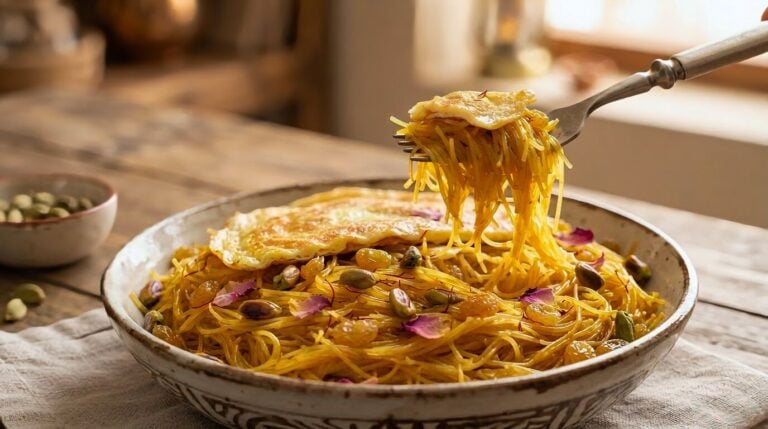
UAE Balaleet is a traditional Emirati breakfast that combines sweet, aromatic vermicelli noodles with a savory egg omelet. This surprising pairing creates a memorable contrast of flavors and textures, making Balaleet one of the country’s most recognizable morning dishes. It is enjoyed throughout the year but is especially meaningful during Eid, Ramadan gatherings, and family celebrations.

The delicate noodles are flavored with sugar, cardamom, saffron, and sometimes rose water. Cardamom contributes warmth, saffron adds a golden hue and distinctive fragrance, and rose water can provide a subtle floral note. The noodles are cooked until tender while retaining enough structure to avoid becoming overly soft.

A thin omelet or gently cooked layer of eggs is placed across the top before serving. The lightly seasoned eggs balance the sweetness beneath them, preventing the dish from tasting like a conventional dessert. Some households prepare a sweeter version, while others use less sugar and allow the savory topping to play a stronger role.

Balaleet may be served warm or at room temperature with Arabic coffee or tea. Its simple presentation hides an unusually complex combination of sweet, savory, floral, and spiced flavors. UAE Balaleet offers an authentic taste of Emirati hospitality and demonstrates the creative way traditional Gulf cuisine brings contrasting ingredients together on one plate.

11. UAE Harees Recipe

11. UAE Harees Recipe

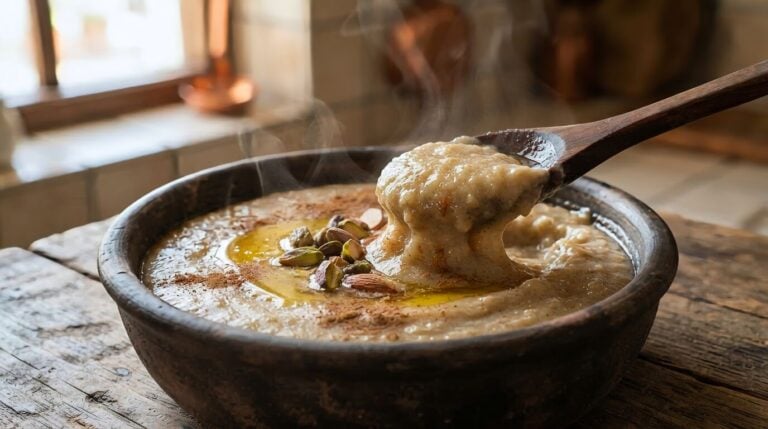
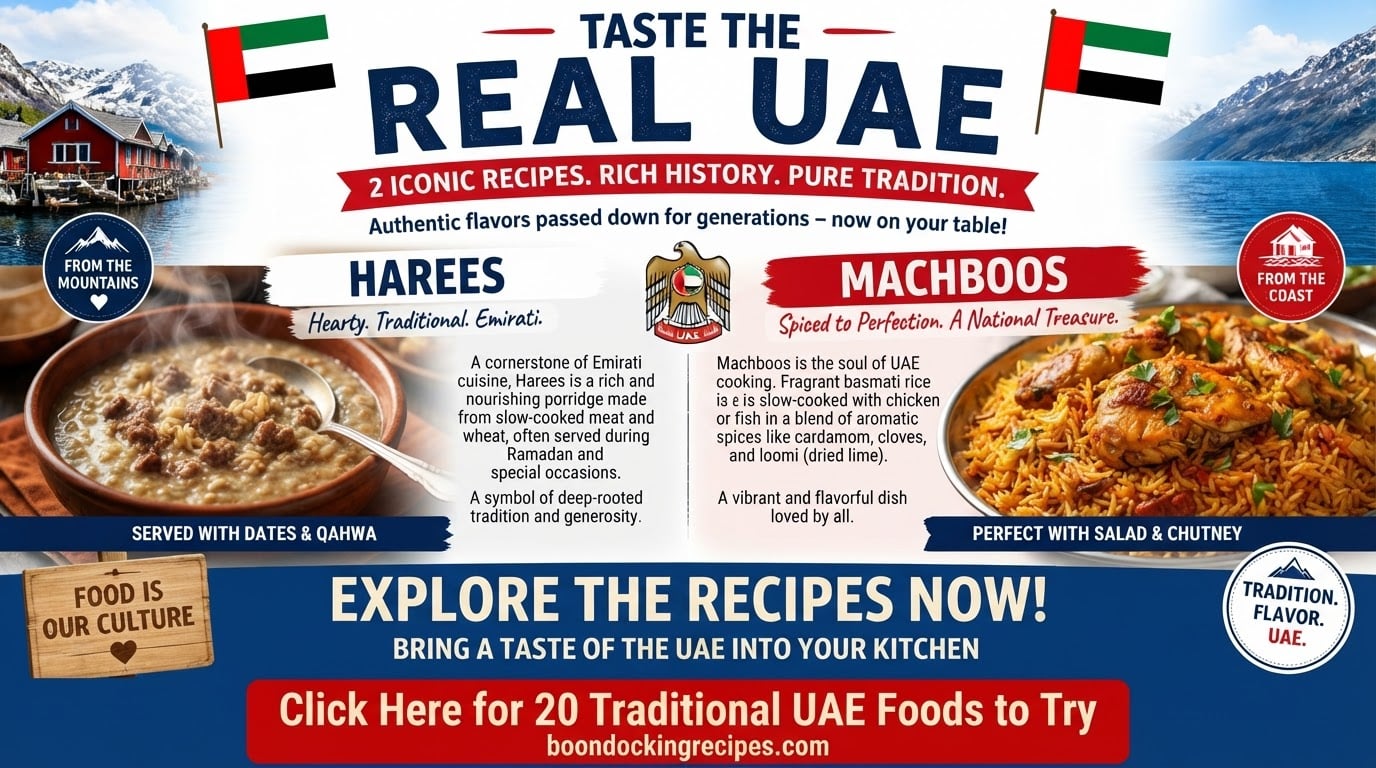
UAE Harees is a deeply comforting dish made by slowly cooking wheat and meat until they blend into a smooth, creamy mixture. It is one of the most important foods in Emirati culinary tradition and is closely associated with Ramadan, Eid, weddings, and large family celebrations. Although the ingredients are simple, the extended cooking time creates a rich texture and gentle flavor that make Harees especially satisfying.

Traditional versions commonly use lamb or chicken simmered with cracked or whole wheat. As the mixture cooks, the grains soften completely and the meat becomes tender enough to break apart. Everything is then stirred or beaten until it reaches the thick, porridge-like consistency that defines the dish.

Harees is usually seasoned lightly, allowing the flavor of the wheat and meat to remain prominent. A spoonful of melted ghee is often added before serving, bringing richness and a buttery aroma to the finished meal. Some families include cinnamon or other warm spices, while others prefer a completely savory version.

UAE food represents patience, hospitality, and shared meals. Its creamy texture and soothing flavor make it particularly welcome after a day of fasting, while its connection to celebrations has secured its place among the most treasured Emirati recipes.

12. Emirati Jisheed Recipe

12. Emirati Jisheed Recipe

Emirati Jisheed is a traditional seafood dish prepared with finely flaked shark meat cooked with onions, spices, and other aromatic ingredients. It reflects the close relationship between Emirati cooking and the Arabian Gulf, where fishing provided coastal communities with an essential source of UAE food long before the region’s modern development.

The shark meat is typically cleaned and cooked before being shredded into small pieces. It is then combined with ingredients such as onions, garlic, dried lime, turmeric, and a regional spice mixture. This preparation produces a savory dish with a soft, almost minced texture and a distinctive balance of citrusy, earthy, and gently spiced flavors.

Jisheed is commonly served with white rice, which provides a mild base for the seasoned seafood. It may also appear as part of a larger Emirati meal alongside salads, pickles, and vegetable dishes. Although shark is the traditional choice, some contemporary cooks prepare similar recipes using other firm fish when shark is unavailable or avoided.

For anyone exploring the lesser-known side of UAE cuisine, Emirati Jisheed offers a fascinating look at the country’s maritime heritage. Its unusual texture, bold seasoning, and reliance on Gulf seafood distinguish it from more familiar grilled or fried fish recipes and preserve an important piece of coastal food history.

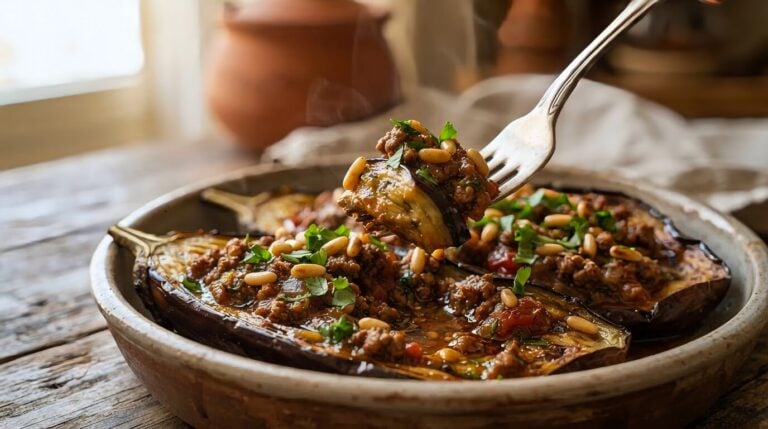
13. UAE Roasted Eggplant with Meat Sauce Recipe

13. UAE Roasted Eggplant with Meat Sauce Recipe

UAE Roasted Eggplant with Meat Sauce brings together tender eggplant and richly seasoned ground meat in a hearty dish filled with comforting Middle Eastern flavors. The roasted eggplant becomes soft and slightly smoky, creating an ideal UAE food foundation for a savory sauce made with meat, tomatoes, onions, garlic, and aromatic spices.

Roasting helps concentrate the eggplant’s natural flavor while giving its edges a lightly caramelized finish. The meat sauce provides substance and depth, with tomatoes adding gentle acidity to balance the richness. Spices such as cumin, coriander, cinnamon, turmeric, or a traditional Emirati Bzar blend may be used to create warmth and complexity.

Depending on the family’s preferred method, the eggplant may be arranged beneath the meat sauce, layered with it, or filled individually before the dish is baked. This flexibility makes the UAE food recipe suitable for both casual family dinners and a more decorative presentation when entertaining guests.

UAE Roasted Eggplant with Meat Sauce is delicious served with fragrant rice, warm flatbread, or a fresh cucumber and tomato salad. The combination of silky vegetables and savory meat creates a balanced meal that feels both rustic and satisfying. It is an excellent recipe for anyone who enjoys eggplant but wants a substantial dish with the familiar flavors of Emirati and Gulf cooking.

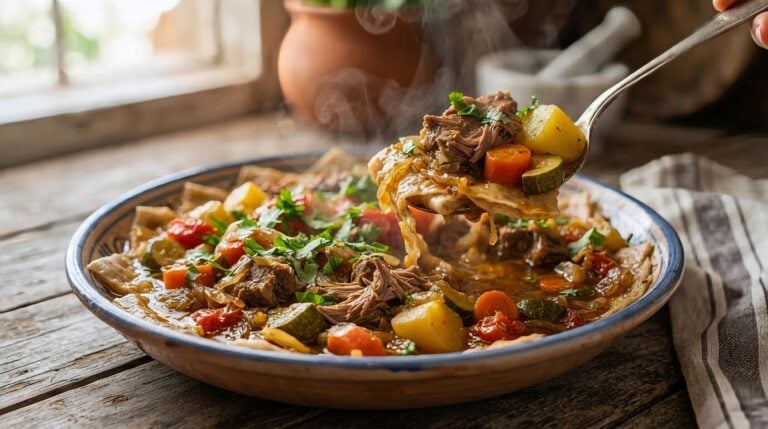
14. UAE Tharid Recipe

14. UAE Tharid Recipe

UAE Tharid is a traditional bread-and-stew dish with a long history in Arabian cuisine. Pieces of thin flatbread are layered in a serving dish and covered with a flavorful stew made from meat, vegetables, tomatoes, and warm spices. As the broth soaks into the bread, it creates a wonderfully tender texture while preserving enough substance to make the meal hearty and filling.

Lamb or chicken is commonly used, although the selection of vegetables can vary according to the season and household. Potatoes, carrots, zucchini, pumpkin, and tomatoes may all appear in the stew. Emirati spices and dried lime add fragrance and depth, giving Tharid its recognizable Gulf flavor.

This beloved dish is especially associated with Ramadan because it provides a nourishing and satisfying meal after fasting. It is usually presented on a large platter, reinforcing the Emirati tradition of gathering around shared food with family and guests.

What makes UAE Tharid distinctive is the way the bread becomes an essential part of the dish rather than merely an accompaniment. It absorbs the seasoned broth and captures the flavor of the tender meat and vegetables. Comforting, generous, and deeply rooted in regional tradition, Tharid remains one of the best dishes for experiencing authentic Emirati home cooking.

15. UAE Sweet Vermicelli and Egg Omelet Recipe

15. UAE Sweet Vermicelli and Egg Omelet Recipe

UAE Sweet Vermicelli and Egg Omelet, widely known as Balaleet, is a distinctive Emirati breakfast that combines sweet, fragrant noodles with a lightly seasoned egg topping. The pairing may seem unusual at first, but the contrast between the sweet vermicelli and savory eggs creates a balanced dish that has remained popular throughout the UAE for generations.

Thin vermicelli noodles are cooked until tender and flavored with sugar, cardamom, saffron, and sometimes rose water. These ingredients give the noodles a beautiful fragrance, gentle sweetness, and warm golden color. A thin omelet is prepared separately and placed over the noodles before serving.

Balaleet is commonly enjoyed for breakfast, particularly during holidays and special family occasions. It is also frequently served during Eid celebrations, when its elegant aroma and colorful appearance make it a fitting addition to the morning table. Some versions are sweeter and more dessert-like, while others emphasize the savory eggs and spices.

The combination of soft noodles, aromatic saffron, floral cardamom, and tender omelet makes this recipe unlike a typical Western breakfast. UAE Sweet Vermicelli and Egg Omelet offers a memorable introduction to Emirati cuisine by demonstrating how sweet and savory flavors can share the same plate in perfect harmony.

16. UAE Ouzi Recipe

16. UAE Ouzi Recipe

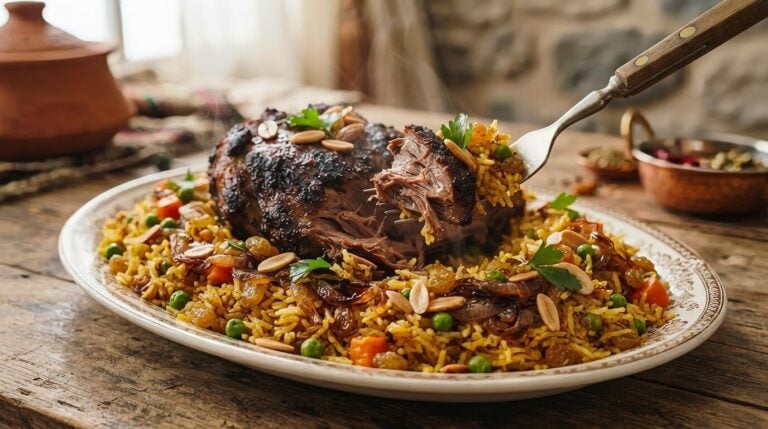
UAE Ouzi is one of the Emirates’ most celebrated festive dishes, bringing together tender spiced lamb, fragrant rice, toasted nuts, and sweet raisins in a meal that symbolizes generosity and hospitality. Often prepared for weddings, Eid celebrations, family gatherings, and special occasions, Ouzi is considered a centerpiece worthy of sharing with a large group. Its beautiful presentation and rich flavors make it one of the country’s signature traditional recipes.

The lamb is slowly cooked until exceptionally tender, allowing aromatic spices such as cinnamon, cardamom, cloves, and black pepper to infuse every bite. The flavorful meat is then served over a bed of seasoned rice, while toasted almonds, pine nuts, or cashews add crunch and raisins contribute subtle sweetness that balances the savory spices perfectly.

Ouzi reflects the culinary heritage of the Arabian Gulf, where rice and lamb have been staple ingredients for centuries. While family recipes vary slightly, the combination of warming spices and slow-cooked meat remains at the heart of this beloved dish.

Whether prepared for an important celebration or simply to experience authentic Emirati cuisine, UAE Ouzi offers an unforgettable meal. Rich in tradition, flavor, and comforting aromas, it captures the spirit of hospitality that defines much of the region’s cooking.

17. UAE Lamb White Bean Stew Recipe

17. UAE Lamb White Bean Stew Recipe

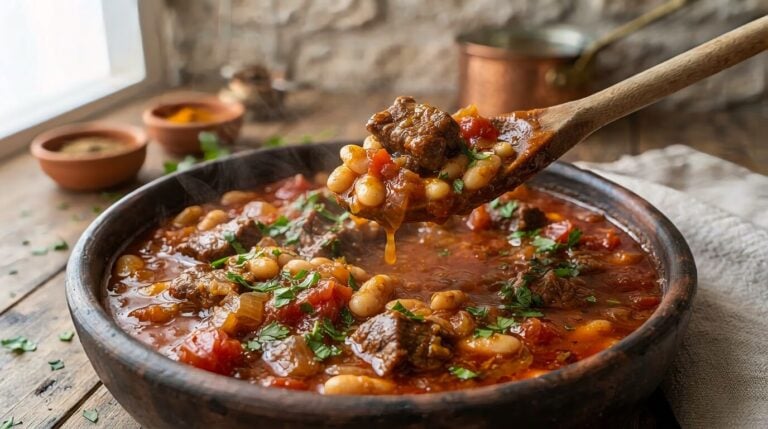
UAE Lamb White Bean Stew is a hearty comfort food that showcases the rich, slow-cooked flavors found throughout traditional Emirati cuisine. Tender pieces of lamb are gently simmered with creamy white beans, tomatoes, onions, garlic, and fragrant Middle Eastern spices until every ingredient becomes wonderfully soft and deeply flavorful. The long cooking process allows the lamb to become fork-tender while creating a rich broth that is perfect for soaking into fresh bread or rice.

This nourishing stew has long been appreciated as a satisfying family meal, especially during cooler months or whenever a comforting dinner is desired. Like many traditional Emirati recipes, it relies on simple pantry ingredients transformed through patient cooking rather than complicated techniques.

Spices such as cumin, cinnamon, turmeric, and black pepper create warmth without overwhelming the natural richness of the lamb and beans. Many families serve the stew alongside flatbread or steamed rice, allowing every drop of the flavorful broth to be enjoyed.

For anyone interested in exploring authentic UAE home cooking, Lamb White Bean Stew provides an excellent introduction. Its wholesome ingredients, rich texture, and balanced seasoning demonstrate how traditional Emirati cuisine creates memorable meals through slow cooking and carefully layered flavors.

18. UAE Braised Lamb Shank and Okra Stew Recipe

18. UAE Braised Lamb Shank and Okra Stew Recipe

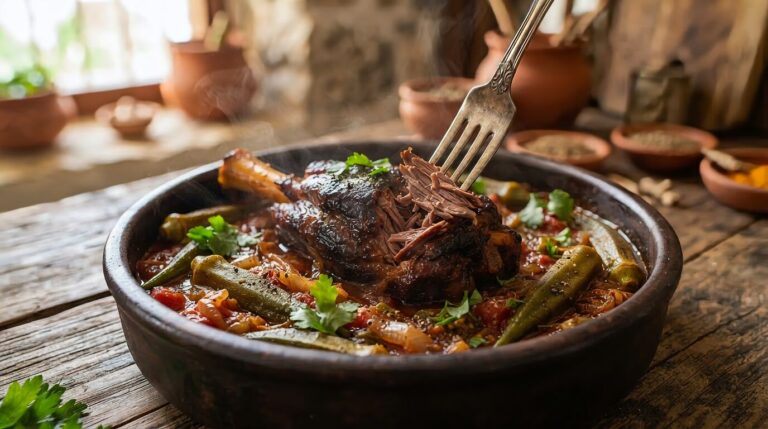
UAE Braised Lamb Shank and Okra Stew is a deeply satisfying dish that combines slow-cooked lamb shanks with tender okra in a richly seasoned tomato-based sauce. This traditional Emirati favorite celebrates the region’s love of hearty stews, where patient cooking transforms simple ingredients into an incredibly flavorful meal perfect for sharing with family and friends.

The lamb shanks are braised slowly until the meat becomes exceptionally tender, naturally enriching the sauce with its savory flavor. Okra absorbs the aromatic broth while maintaining its delicate texture, creating a wonderful balance between vegetables and meat. Warm spices such as cinnamon, cumin, coriander, and black pepper give the stew its characteristic Middle Eastern depth without overpowering the natural ingredients.

Served over fragrant rice or alongside warm flatbread, this comforting stew is ideal for leisurely family dinners and festive occasions alike. Every household may have its own preferred spice blend or cooking method, but the focus on slow braising remains central to the recipe.

For those looking to experience authentic Emirati comfort food, Braised Lamb Shank and Okra Stew offers a wonderful combination of rich flavors, traditional ingredients, and timeless cooking techniques that have been enjoyed throughout the Gulf region for generations.

19. UAE Bzar Spice Mix Recipe

19. UAE Bzar Spice Mix Recipe

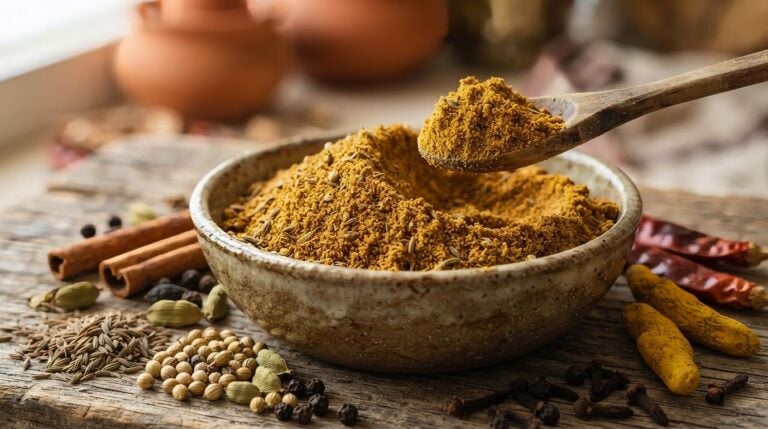
UAE Bzar Spice Mix is one of the essential seasoning blends found throughout Emirati kitchens, providing the warm, aromatic foundation for countless traditional dishes. Rather than relying on a single spice, Bzar combines several carefully balanced ingredients, often including cumin, coriander, cinnamon, cardamom, black pepper, turmeric, cloves, and other fragrant spices. The result is a versatile blend that enhances meats, rice, seafood, soups, and vegetable dishes with remarkable depth of flavor.

Every family often has its own treasured version of Bzar, passed down through generations and adjusted to suit personal taste. Some blends emphasize earthy spices, while others include slightly sweeter or more peppery notes. Despite these differences, Bzar remains one of the defining flavors of Emirati cuisine.

Freshly ground spices create an especially vibrant aroma that fills the kitchen while cooking. The blend is commonly used to season lamb, chicken, fish, and rice dishes, helping create the warm, comforting flavors associated with traditional Gulf cooking.

Preparing your own UAE Bzar Spice Mix allows you to experience one of the region’s most important culinary traditions. Once made, it becomes an incredibly useful pantry staple that brings authentic Middle Eastern flavor to everyday home cooking.

20. UAE Samosa Recipe

20. UAE Samosa Recipe

UAE Samosas are crisp, golden pastries filled with flavorful savory fillings that have become a beloved snack throughout the Emirates. While their origins trace back to South Asia, samosas have been embraced across the Arabian Gulf, where they are especially popular during Ramadan, family gatherings, celebrations, and afternoon tea. Their crisp shell and warmly spiced filling make them one of the region’s favorite handheld treats.

Traditional fillings often include seasoned ground meat, vegetables, lentils, or potatoes blended with onions, herbs, and aromatic spices. Each triangular pastry is carefully folded before being fried or baked until beautifully crisp and golden brown. The contrast between the crunchy exterior and the tender, flavorful filling makes every bite satisfying.

Samosas are frequently served with mint chutney, tamarind sauce, or yogurt-based dips that complement the savory spices while adding freshness. Because they can be prepared in advance, they are also a favorite appetizer for entertaining guests.

Whether enjoyed as a snack, appetizer, or part of a festive meal, UAE Samosas showcase the multicultural influences that have shaped Emirati cuisine. Crispy, flavorful, and endlessly versatile, they remain one of the most recognizable and widely loved savory pastries found throughout the Gulf region.

Follow us on PinterestFollow
BdRecipes
Latest posts by BdRecipes (see all)

You may also like

3 comments

Bria August 6, 2024 - 4:55 am

I cant believe they didnt include Luqaimat or Harees in the top 5 UAE dishes! Those are absolute must-tries in my opinion. What do you all think? Any other traditional Emirati dishes you feel deserve more recognition?

Marina Mahoney March 10, 2025 - 6:16 pm

I cant believe they didnt include Luqaimat or Machboos in the list of traditional Emirati recipes! Those are absolute must-tries when exploring Emirati cuisine.

Lillie April 7, 2025 - 5:58 pm

I cant believe they didnt include Biryani in the top UAE dishes list! Its a classic favorite among many Emiratis and visitors alike. Its a must-try for anyone exploring Emirati cuisine.

Comments are closed.

Boondocking Recipes
Privacy Overview

This website uses cookies so that we can provide you with the best user experience possible. Cookie information is stored in your browser and performs functions such as recognising you when you return to our website and helping our team to understand which sections of the website you find most interesting and useful.