
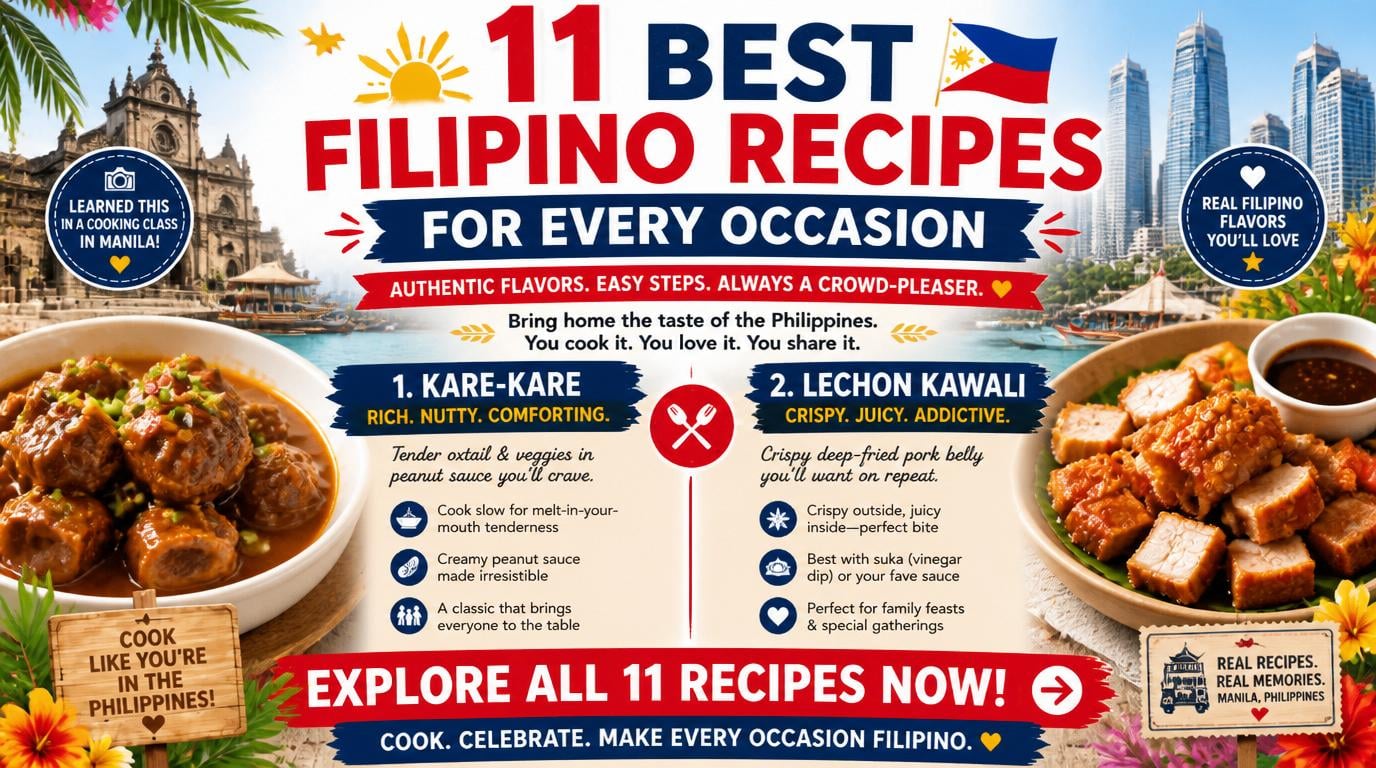
If you’ve never explored Filipino recipes, you’re in for a pleasant surprise. Filipino recipes combine familiar ingredients with practical cooking methods to create meals that are both comforting and full of character. Whether you’re looking for a hearty dinner, a warming soup, a flaky pastry, or a homemade dessert, Filipino recipes offer plenty of variety without requiring complicated techniques or difficult-to-find ingredients.
One reason Filipino recipes continue to win over home cooks is their remarkable balance of flavors. Sweet, savory, tangy, and salty ingredients often come together in the same dish without any one flavor taking over. That balance makes Filipino recipes feel both familiar and refreshingly different. It’s one of the reasons more people are discovering Philippine cooking every year.
This collection of Filipino recipes brings together dishes enjoyed during holidays, family celebrations, neighborhood gatherings, and everyday meals. You’ll find satisfying meat dishes, comforting rice favorites, homemade breads, colorful desserts, and recipes that have become well known far beyond the Philippines. Together, these Filipino recipes offer an excellent introduction to one of Southeast Asia’s most diverse cuisines.
Whether you’re searching for a new family favorite or simply want to expand your recipe collection, Filipino recipes are an enjoyable place to begin. Every recipe tells part of the country’s cooking story while introducing flavors that have stood the test of time. Before we get to the recipes, though, here’s something that surprises almost everyone about Filipino recipes.
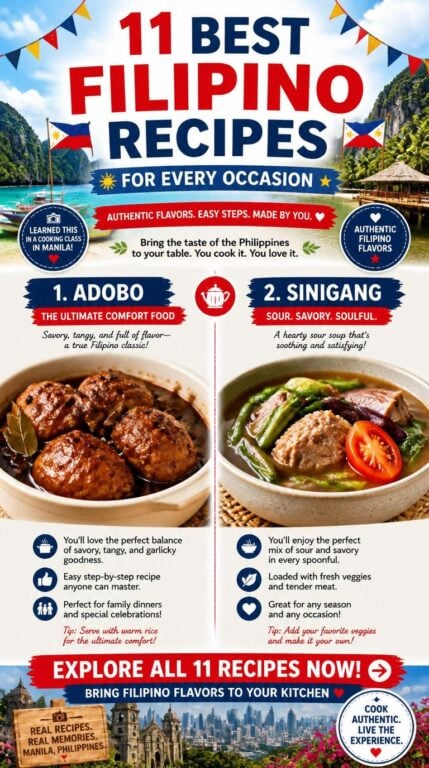
Here’s Something That Surprises Almost Everyone About Filipino Recipes
• Many favorite Filipino recipes weren’t originally made with native ingredients. Tomatoes, potatoes, corn, peanuts, chili peppers, and even chocolate crossed the Pacific aboard Spanish galleons sailing between Manila and Acapulco centuries ago. Those ships carried silver and valuable cargo, but they also introduced ingredients that quietly transformed countless Filipino recipes. Without those voyages, many familiar dishes would look very different today.
• Chinese traders were helping shape Filipino recipes centuries before Spain arrived. Along with silk and porcelain came noodles, soy sauce, bean products, and cooking techniques that local communities quickly adapted. Rather than simply copying foreign dishes, Filipino cooks blended these new ideas with local ingredients, creating Filipino recipes that became completely their own.
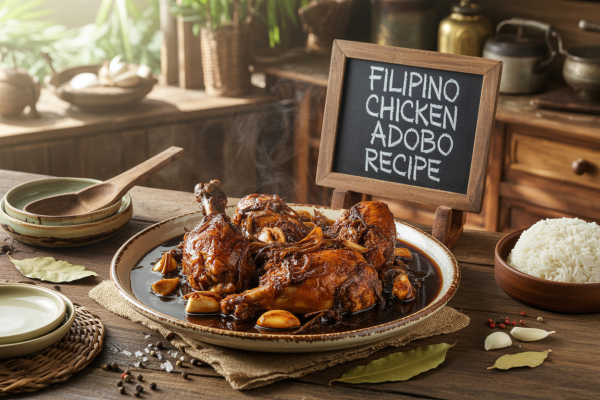
• Adobo is older than its Spanish name. Many people assume the famous dish was created by the Spanish because its name comes from the Spanish language. In reality, island communities were preserving meat with vinegar and salt long before Spanish explorers reached the Philippines. The Spanish simply recognized the cooking method and called it adobo, while the recipe itself had already been part of daily life for generations.
• The greatest strength of Filipino recipes is their ability to adapt without losing their identity. New ingredients, cooking methods, and outside influences were welcomed over the centuries, yet the country’s cooking never lost its own character. Instead, every generation added another chapter to the story. That’s why Filipino recipes continue to feel both timeless and fresh, remaining favorites in homes across the Philippines and around the world.
Now it’s time to discover the Filipino recipes in this collection and find the ones you’ll want to make again and again.
11 Best Filipino Recipes for Every Occasion
1
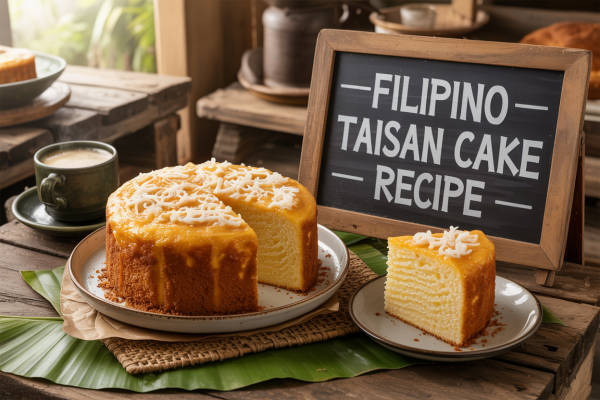
2
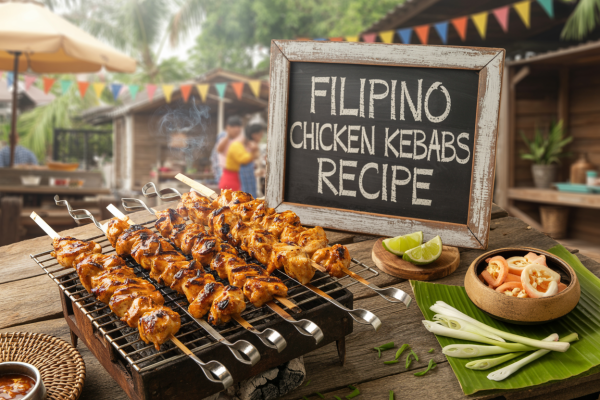
3
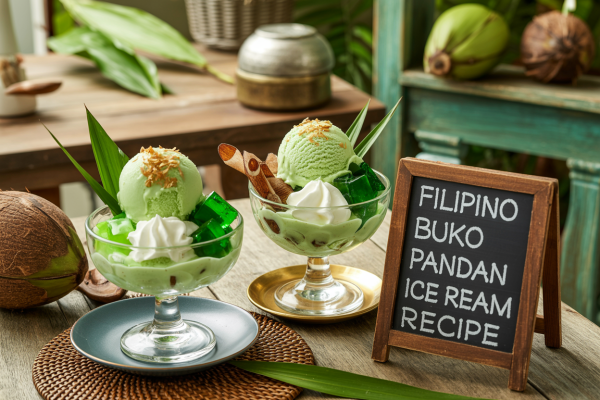
4
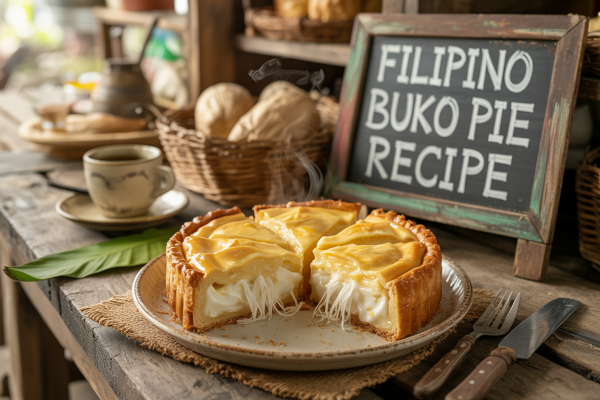
5
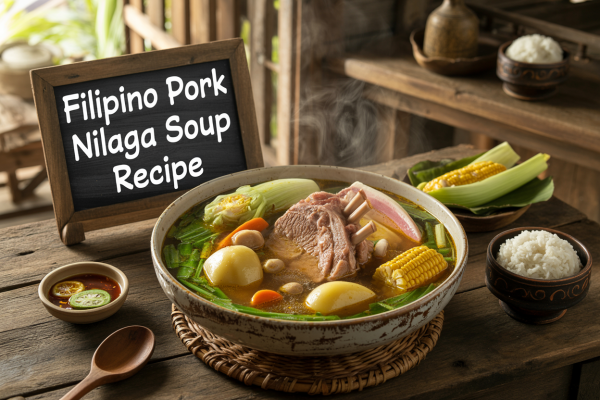
6
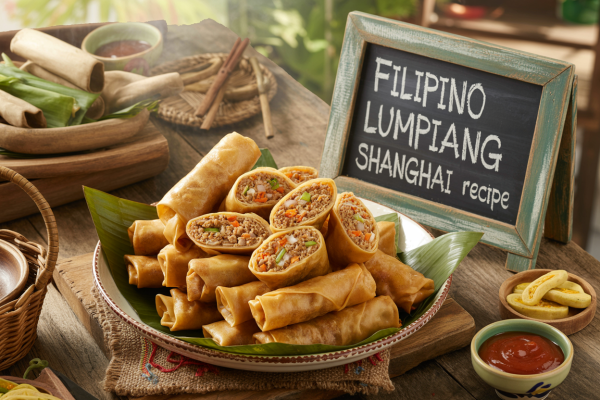
7
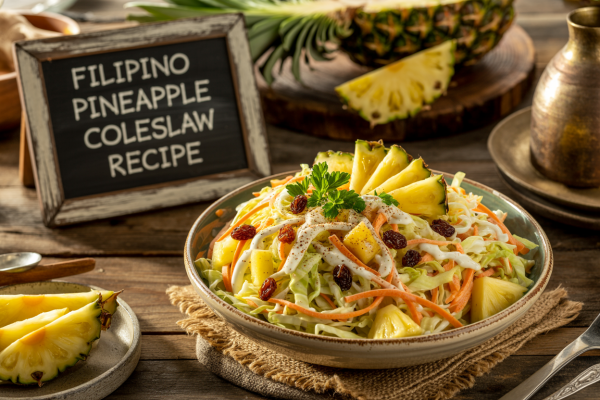
8
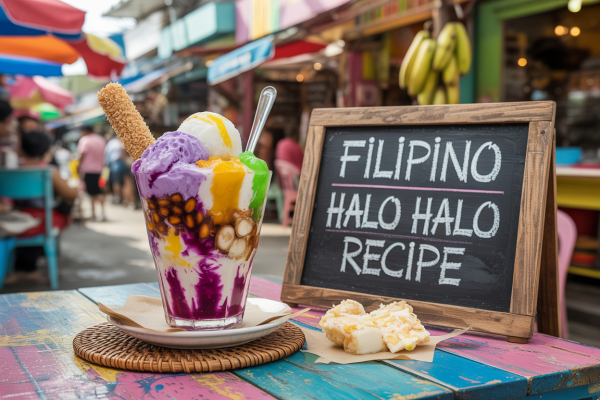
9
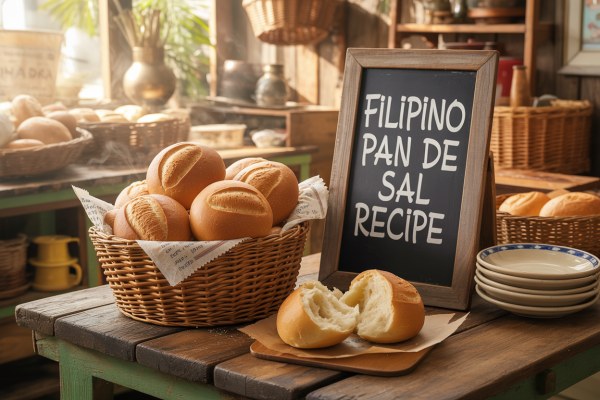
10
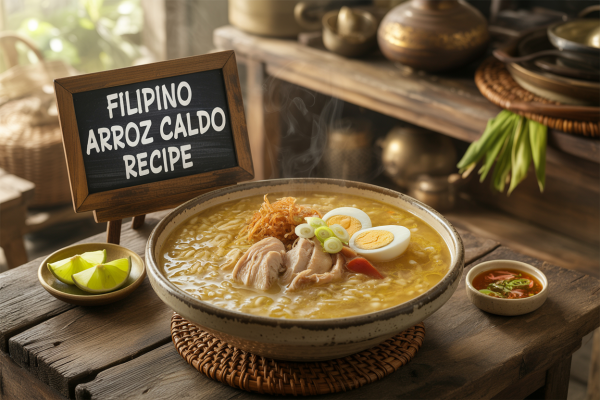
11

Recipes are gathered in person and written for real-world cooking conditions.
- 10 Albanian Food Dishes Everyone Will Love - July 22, 2026
- Albanian Meat and Garlic Soup Recipe - July 22, 2026
- Albanian Savory Meat Pie Recipe - July 22, 2026